Published by HIGHER SPORT | Industry & Heritage
August 17, 2026 — A small, inflatable boat that folds into a backpack may look like a recent invention, but the packraft has more than 180 years of history. What began as survival gear for Arctic explorers and wartime pilots has evolved into a mainstream adventure craft — and today's commercial-grade TPU packrafts are a different species from their ancestors.
The first recognizable packraft was built in the 1840s by Lt. Peter Halkett, a British officer who designed his "boat cloak" for the rugged terrain of the Canadian Arctic. Made of cotton impregnated with Indian rubber, it was light enough to wear as a raincoat or use as a groundsheet, yet sturdy enough to cross rivers between remote lakes. A walking stick doubled as a breakdown paddle, and an umbrella could be rigged for downwind sailing. Small rubber packrafts of Halkett's design accompanied Sir John Franklin's 1845 expedition to the Northwest Passage, marking one of the first documented uses of packable inflatable boats in the wilderness.
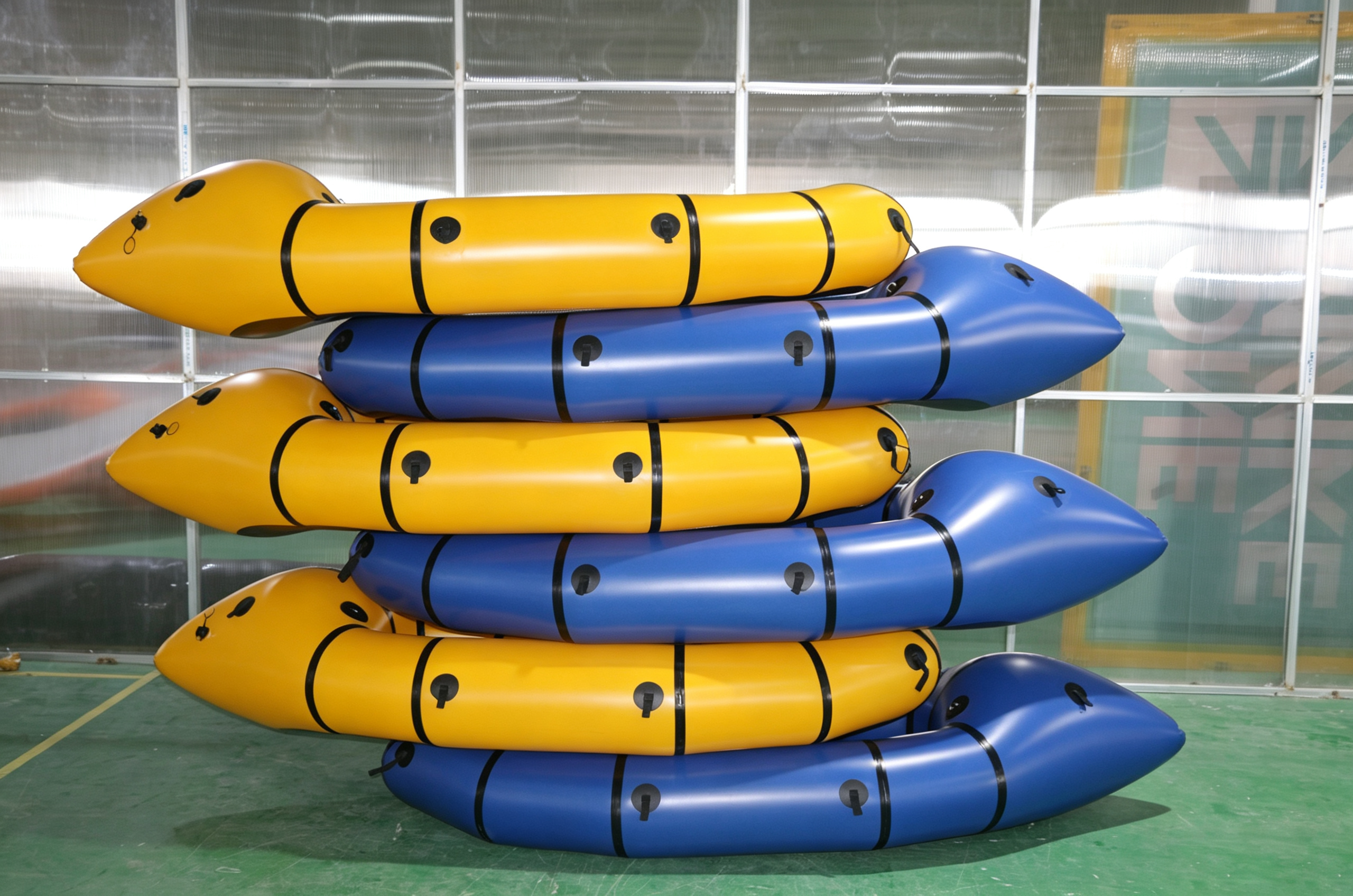
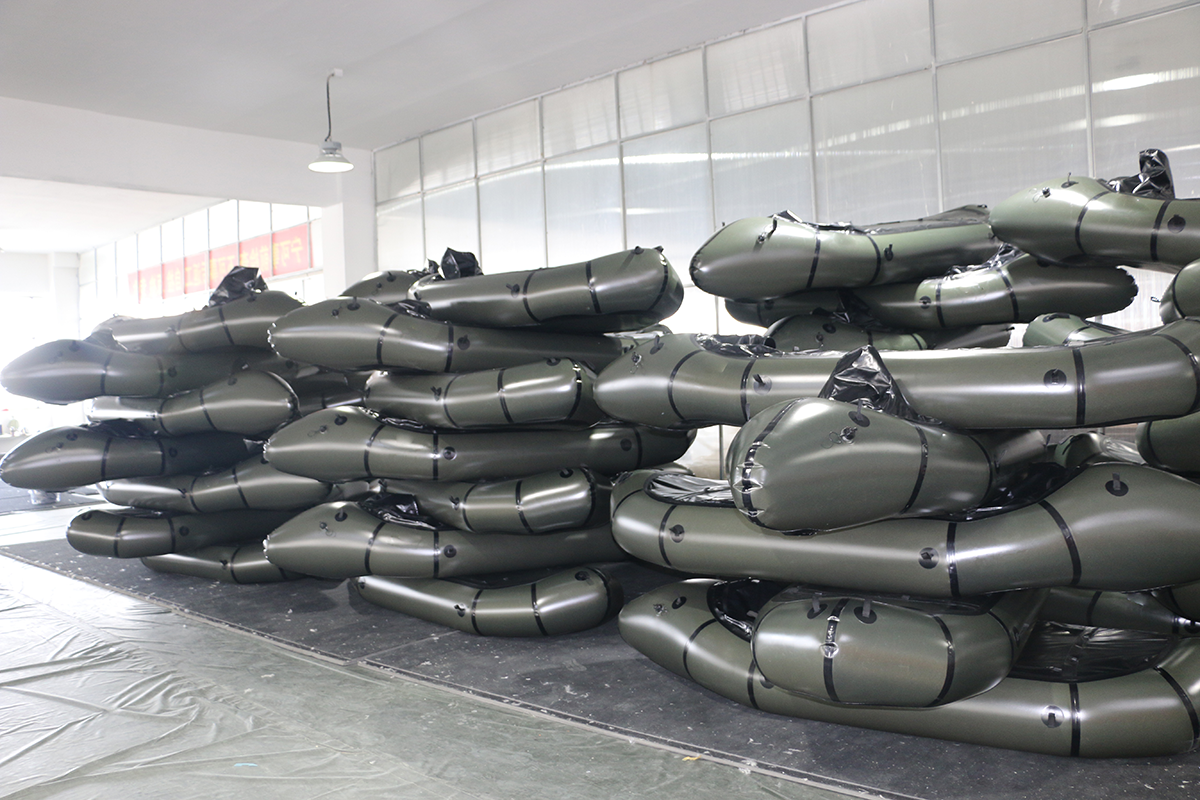
World War II gave packrafts a second life. Inflatable survival rafts from military aircraft appeared in surplus stores by the late 1940s, and adventurers soon discovered them. In 1952, Dick Griffith and his wife used an Air Force survival raft to descend Mexico's Copper Canyon — the first documented wilderness river run in a packraft by an American. Griffith later brought the concept to Alaska, where the Alaska Mountain Wilderness Classic became the incubator of contemporary packrafting. Through the 1970s and 1980s, builders such as American Safety and Curtis Designs refined the design, and the Sherpa — the first packraft built for real rivers — debuted in the mid-1980s.
In 2000, adventurer Thor Tingey completed a 600-mile traverse of Alaska's Brooks Range and asked his mother, Sheri Tingey, a former outdoor clothing designer, to build him a better boat. The result — the "White Boat," made from urethane-coated nylon with an upturned bow — took the packraft world by storm. Their company, Alpacka Raft, brought the first commercially successful packrafts to market, and the sport spread from Alaska to Patagonia, Scandinavia and New Zealand. By 2014, designs such as the Alpackalypse were running Class IV whitewater, closing the gap between packrafting and hardshell kayaking.
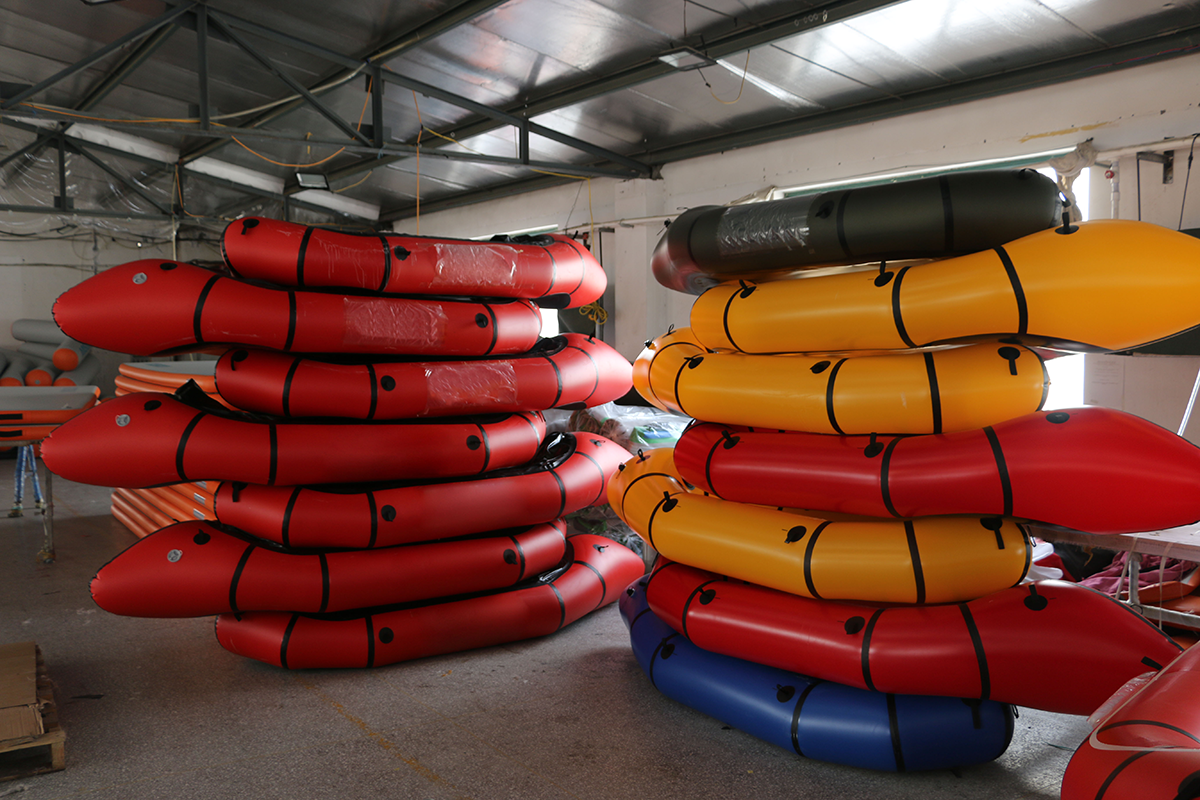
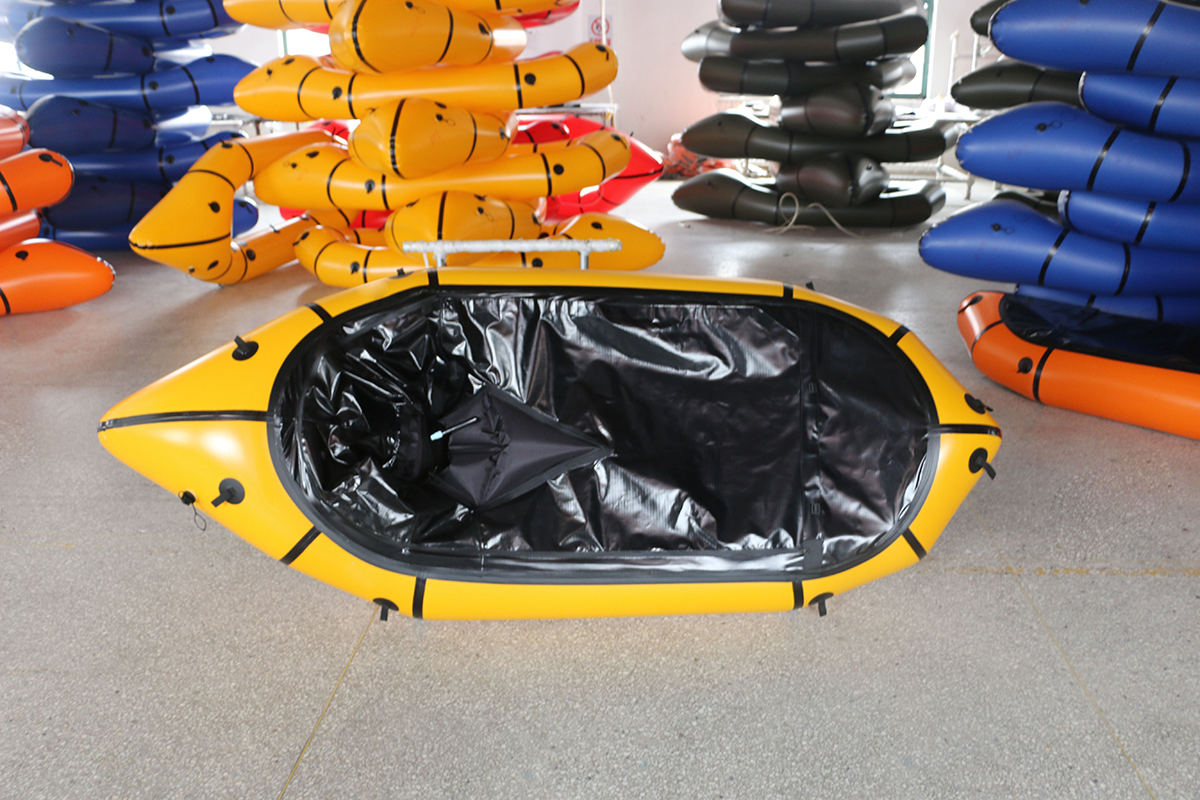
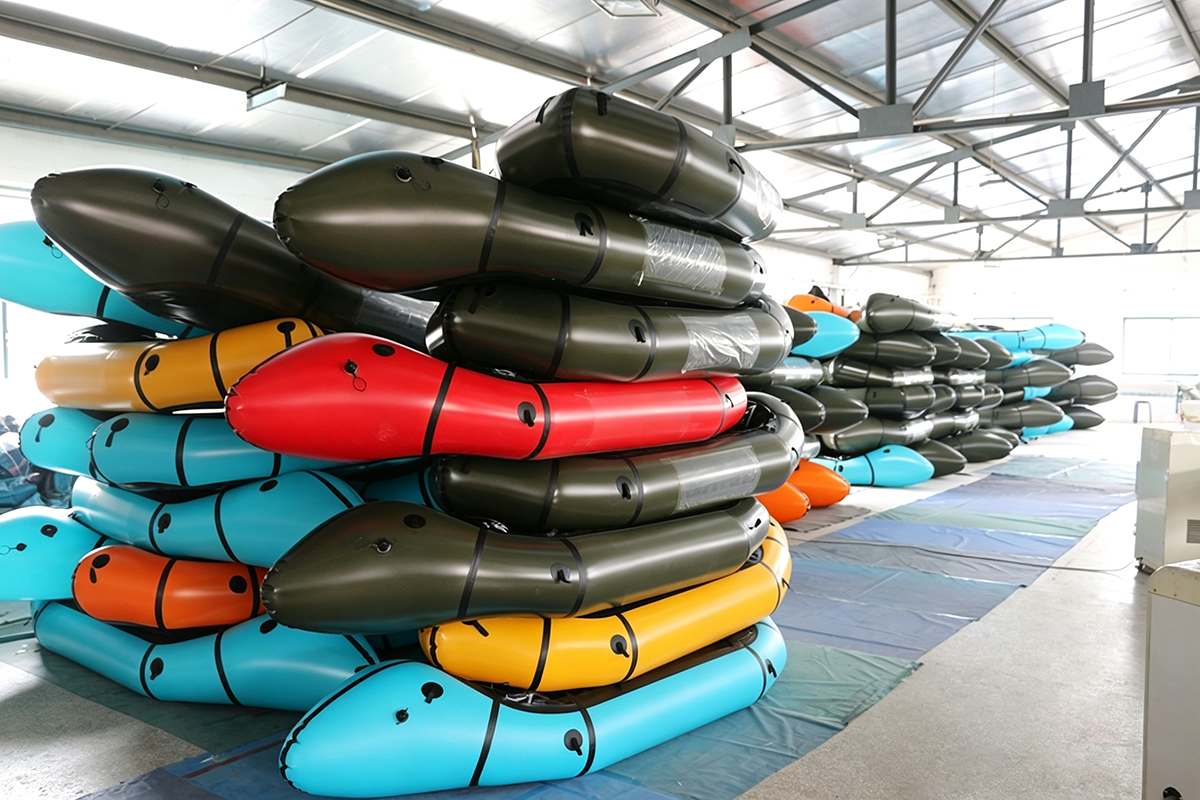
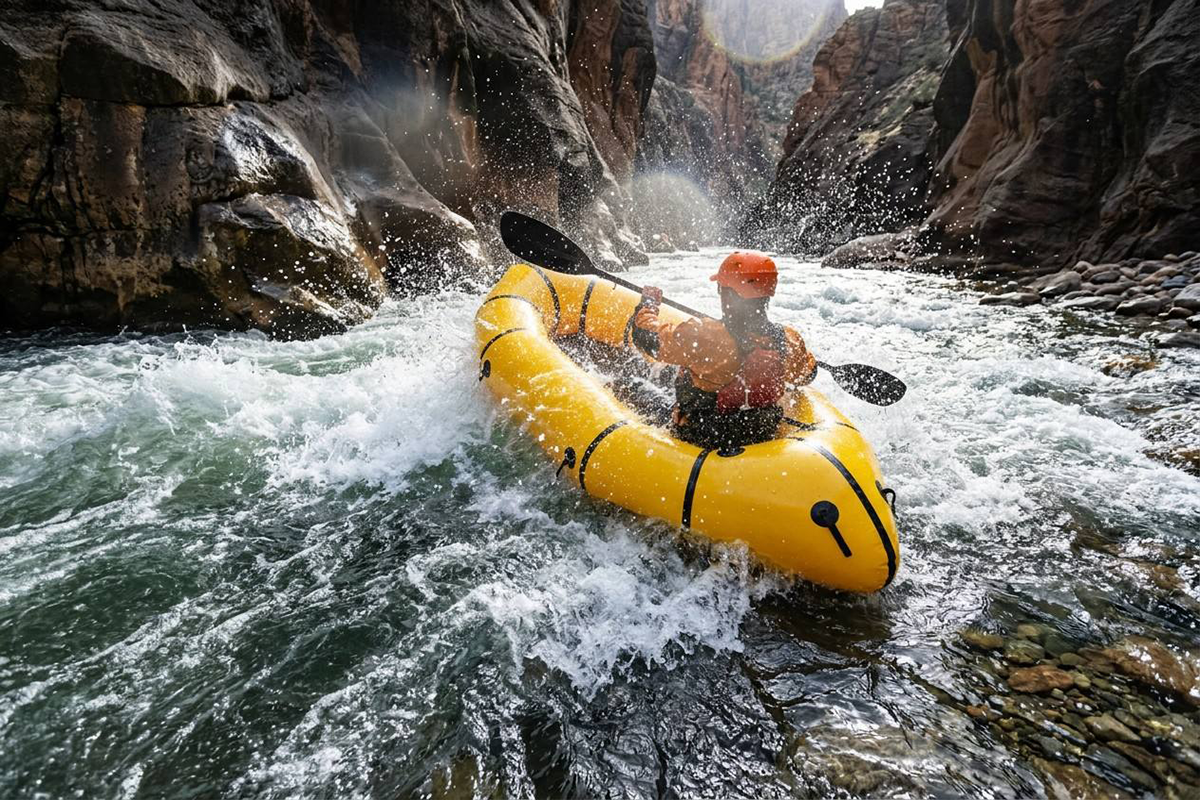
Modern packrafts are precision-engineered products. Ultralight models weigh as little as 2 kg (4.4 lbs) and roll down to the size of a sleeping bag, while 840D reinforced floors shrug off rocky shorelines that destroyed earlier vinyl boats. Waterproof TIZIP zippers allow dry storage inside the tubes, and thigh straps, spray decks and self-bailing systems extend their range into serious whitewater.
As a global water recreation system OEM solution provider, HIGHER carries this legacy onto the manufacturing floor. Its TPU packrafts are joined with the High-Frequency Thermal Welding Process, creating molecular-level seam bonds that eliminate the glue-line failures of the past, and every unit passes mandatory 48-hour pressure-retention testing before shipping. The lineup spans three series — ultralight solo explorers, professional hybrid kayaks and expedition-grade whitewater packrafts — with options such as German TIZIP cargo-fly zippers and custom branding. With a 24-month warranty, MOQ from 50 units and 20–25 day lead times, HIGHER supports wholesalers, distributors, brand agents and outfitters in bringing this 180-year story to their own markets.
For wholesale pricing or OEM/ODM partnership details, contact the sales team directly.
13 Years of Inflatable Manufacturing Excellence—Built for Brands Leading the Water Sports Market.
 Hot News
2026-09-19
2026-09-18
2026-09-16

 EN
EN