 EN

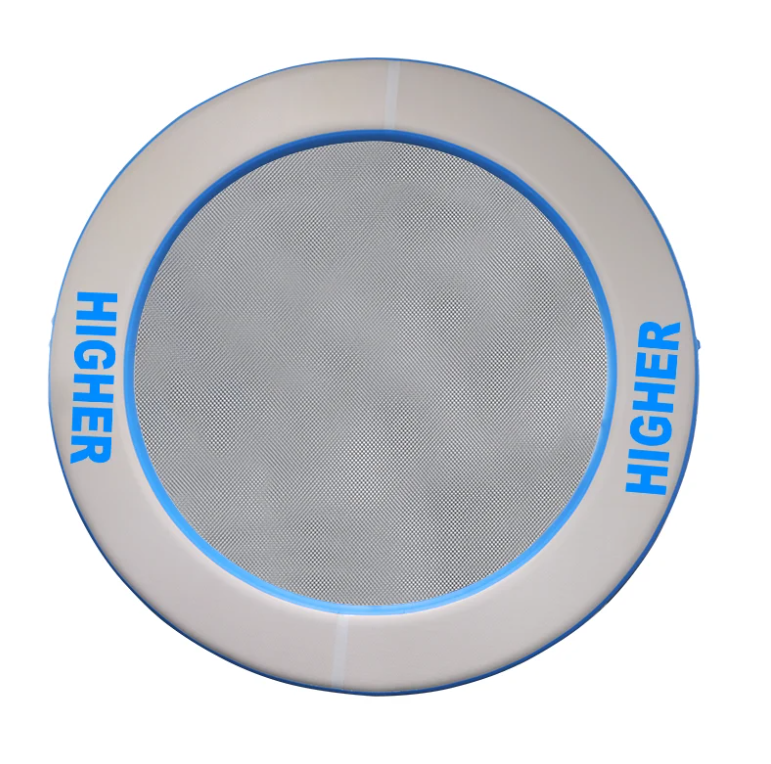
An inflatable dock platform changes the feel of every pose
Yoga on water sounds peaceful until the first warrior pose. An inflatable dock platform sits on the surface, so every shift in weight travels through the deck. The result is a moving practice, not a still one. That movement can be a feature or a problem. For some people, the subtle instability adds core engagement and makes balance work more interesting. For others, it turns a calm flow into a fight with the floor. The platform itself is not good or bad for yoga. It depends on the design, the conditions, and the person practicing.
Stability comes down to thickness, pressure, and size
An inflatable platform is a pressure vessel. Its stiffness depends on internal air pressure and the drop stitch construction inside. Drop stitch fabrics use thousands of threads to hold top and bottom layers at a set distance. Higher pressure makes the deck firmer. Lower pressure makes it softer and more forgiving. A platform that is 6 inches thick at 10 psi feels very different from one that is 8 inches thick at 6 psi. Size matters too. A wider platform spreads weight and reduces tipping. A narrow platform may feel tippy even at high pressure. For yoga, a deck that is at least 8 feet wide gives room for a mat and a stable stance.
| Platform feature | Effect on yoga stability | Best for |
|---|---|---|
| High pressure, drop stitch | Firm, less bounce | Balance poses, standing sequences |
| Low pressure, soft deck | More cushion, more movement | Seated stretches, restorative poses |
| Wide deck, 8 ft or more | Less tipping, more room | Two people or flowing sequences |
| Narrow deck, under 6 ft | More tipping, less room | Solo practice, calm water |
| Textured EVA surface | Better grip when wet | Sweaty hands, sunscreen |
| Smooth PVC surface | Slippery when wet | Dry conditions only |
Surface grip and water management decide comfort
Yoga requires contact. Hands, feet, and sometimes knees press into the deck. A smooth PVC surface can become slick with water, sweat, or sunscreen. Textured EVA foam or a brushed PVC top layer improves grip. Drainage matters too. A platform that holds puddles becomes a slipping hazard. Some designs include a slight crown or drainage channels. Others rely on the mat itself. A standard yoga mat can work, but it may slide on a wet inflatable surface. A mat with a grippy bottom or a dedicated water yoga mat is a better choice. Shoes are not needed. Bare feet or water shoes work best.
Wind, waves, and anchoring change everything
A calm lake at sunrise is not the same as a busy lake at noon. Wind pushes an inflatable dock platform across the water. Waves create motion that no pressure setting can fix. Anchoring is the first line of defense. A single anchor point may allow the platform to swing. Two or four anchor points create a more stable position. In open water, a platform can twist and tug against the lines. In sheltered coves, the same platform feels solid. Weather awareness is not optional. A practice that starts in flat water can end in chop within an hour. Checking wind forecasts and having a plan to return to shore keeps the session safe.
Who benefits and who should stay on land
An inflatable dock platform is a good fit for experienced yogis who want a new challenge. It also works for casual practitioners who enjoy being on the water and do not mind movement. Restorative yoga, meditation, and gentle stretching can feel wonderful on a floating deck. Balance-heavy sequences, inversions, and advanced arm balances are much harder. Beginners may struggle to learn alignment on a moving surface. The American Council on Exercise notes that unstable surface training can increase core activation but may reduce movement precision. People with joint pain or balance issues should be cautious. The platform adds a fall risk that does not exist on a studio floor. A personal flotation device and a spotter are wise in deeper water.
Practical setup and care that make a difference
Small details decide whether the session feels stable. 1. Inflate to the manufacturer's recommended pressure, then check again after 24 hours. 2. Use at least two anchor points in moving water. 3. Place the platform in a sheltered area for the first few sessions. 4. Add a non-slip mat if the deck is smooth. 5. Avoid overloading one side during group practice. 6. Rinse with fresh water after saltwater use and dry before storage. These steps are simple. They also prevent most of the problems that make people blame the platform.
At a lakeside resort in Florida, a morning yoga class moved onto a large inflatable platform. The first week brought complaints about wobbling and sliding. An inspection found the platform was inflated to only 7 psi, the anchor line was too short, and the smooth PVC deck had no mat. The resort inflated to 12 psi, added a second anchor, and laid down water yoga mats. The same platform felt completely different. The issue was not the concept. It was the setup.
Higher Sports has been making outdoor sports and inflatable water products since 2013, with a 12 person R&D team and a US warehouse for fast fulfillment. For buyers considering an inflatable dock platform for yoga or other water activities, that manufacturing depth and local support help turn a good idea into a reliable program.