 EN

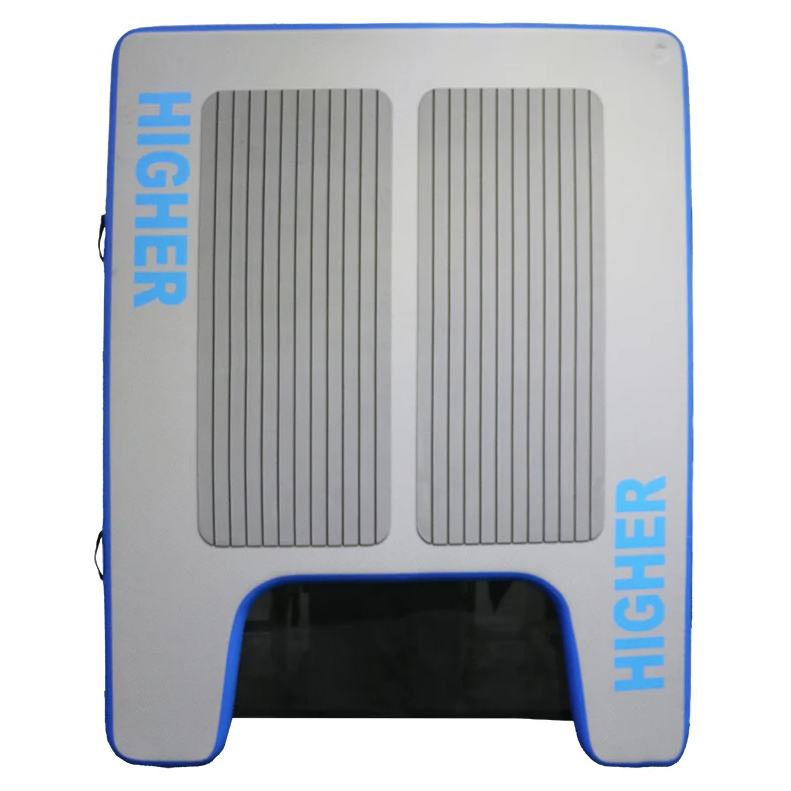
Start with the water, not the boat
Choosing a dock for boats starts with the water body, not the vessel. Depth, wave action, tidal range, current, and seasonal ice all shape what works. A dock that performs well on a sheltered lake may fail on a river with fast current. A floating dock handles changing water levels better than a fixed pier in many cases. A fixed dock offers more stability and better load capacity for heavy equipment. The first step is measuring the worst conditions, not the average ones. Low water in late summer, spring floods, and winter ice are the events that break docks.
Fixed docks versus floating docks
Fixed docks are driven piles or concrete structures that stay at one elevation. They feel solid underfoot and work well where water levels change little. Floating docks rest on encapsulated foam or air chambers and move with the water. They handle tidal swings and reservoir drawdowns without adjustment. The trade off is motion. Floating docks can feel bouncy in choppy water, and they need robust anchoring. A hybrid approach uses a fixed gangway with a floating platform at the end. That combination often works best where access is fixed but water moves.
| Dock type | Water level tolerance | Stability | Installation | Maintenance | Typical cost |
|---|---|---|---|---|---|
| Fixed wood pile | Low | High | Moderate to high | High, wood rot | Medium |
| Fixed concrete | Low | Very high | High | Low | High |
| Floating modular | High | Medium | Low | Medium | Medium |
| Floating concrete | High | High | High | Low | High |
| Steel frame with composite decking | Medium | High | Moderate | Low to medium | Medium to high |
Material choices that survive sun, salt, and ice
Wood, aluminum, steel, concrete, and composite decking each have a place. Pressure treated wood is affordable but needs regular inspection for rot and fastener corrosion. Aluminum resists corrosion but can dent and may need isolation from dissimilar metals. Steel is strong but requires galvanizing or coating. Concrete is heavy and durable, but repair is difficult. Composite decking resists splintering and UV damage, though it can get hot in direct sun. Ice is the great equalizer. In freeze zones, docks should be removable or designed with ice breaks. Salt water demands marine grade hardware and sacrificial anodes.
Mooring, anchoring, and legal permits
How a dock is held in place matters as much as the deck. Pile anchoring, chain systems, and helical anchors each suit different bottoms. Mud, sand, rock, and muck require different holding approaches. Permits are another reality. In the United States, placing a dock in navigable waters often requires a permit from the U.S. Army Corps of Engineers under Section 10 of the Rivers and Harbors Act. State and local rules add layers. Shoreline property lines, riparian rights, and setbacks can limit size and location. Checking permits early avoids expensive removals later.
Maintenance and seasonal removal
Docks are outdoor structures. Sun, water, and freeze thaw cycles take a toll. Inspections should cover fasteners, connectors, flotation, decking, and anchoring. Seasonal removal protects docks in ice zones. A dock that stays in over winter may survive, but ice movement can push piles or crack floats. Removal and storage also extend service life. The best maintenance plan is simple. Fix small issues before they become structural. Keep a log of water levels and damage after storms. That record helps when the next dock decision comes up.
Matching the dock to how the boat is actually used
A dock for boats should match the real pattern of use. A fishing boat that launches on a trailer may only need a simple mooring. A pontoon that stays in the water all season needs a wider slip and better fendering. A personal watercraft can use a small floating drive on dock. A large cruiser needs shore power, water, and a solid walkway. Access matters too. Older users or people with mobility needs benefit from gentle gangway slopes and handrails. The dock should serve the people using it, not just the boat.
In a lake community in the upper Midwest, a homeowner installed a fixed wood pile dock. The first spring, high water submerged the deck. The next winter, ice shifted the piles. The replacement was a modular floating dock with a hinged gangway. It rose and fell with the water, and the sections could be removed before freeze up. The cost was similar to the failed fixed dock. The lesson was not that floating docks always win. It was that the original choice ignored seasonal extremes.
Higher Sports has been manufacturing outdoor sports and inflatable water entertainment products since 2013, with a 12 person R&D team and a US warehouse for fast fulfillment. For buyers sourcing docks or water accessories, that background supports consistent production and responsive supply. The right dock for boats comes from matching water conditions, materials, and use patterns. Higher Sports helps that process with manufacturing depth and North American logistics.