Published by HIGHER SPORT | Product Knowledge
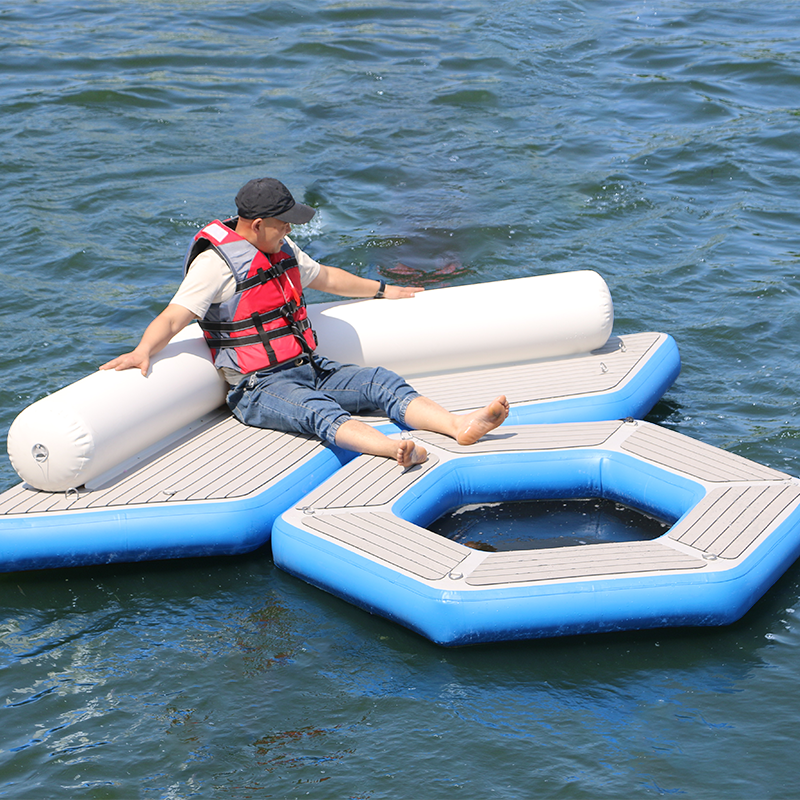
September 24, 2026 — Two inflatable floating docks can look identical in a catalog photo and behave nothing alike on the water. The difference is not materials marketing: it is three specifications — construction type, inflation pressure, and wall thickness — plus the bonding method that holds the whole assembly together. Here is how to read a commercial spec sheet before you commit to a container.
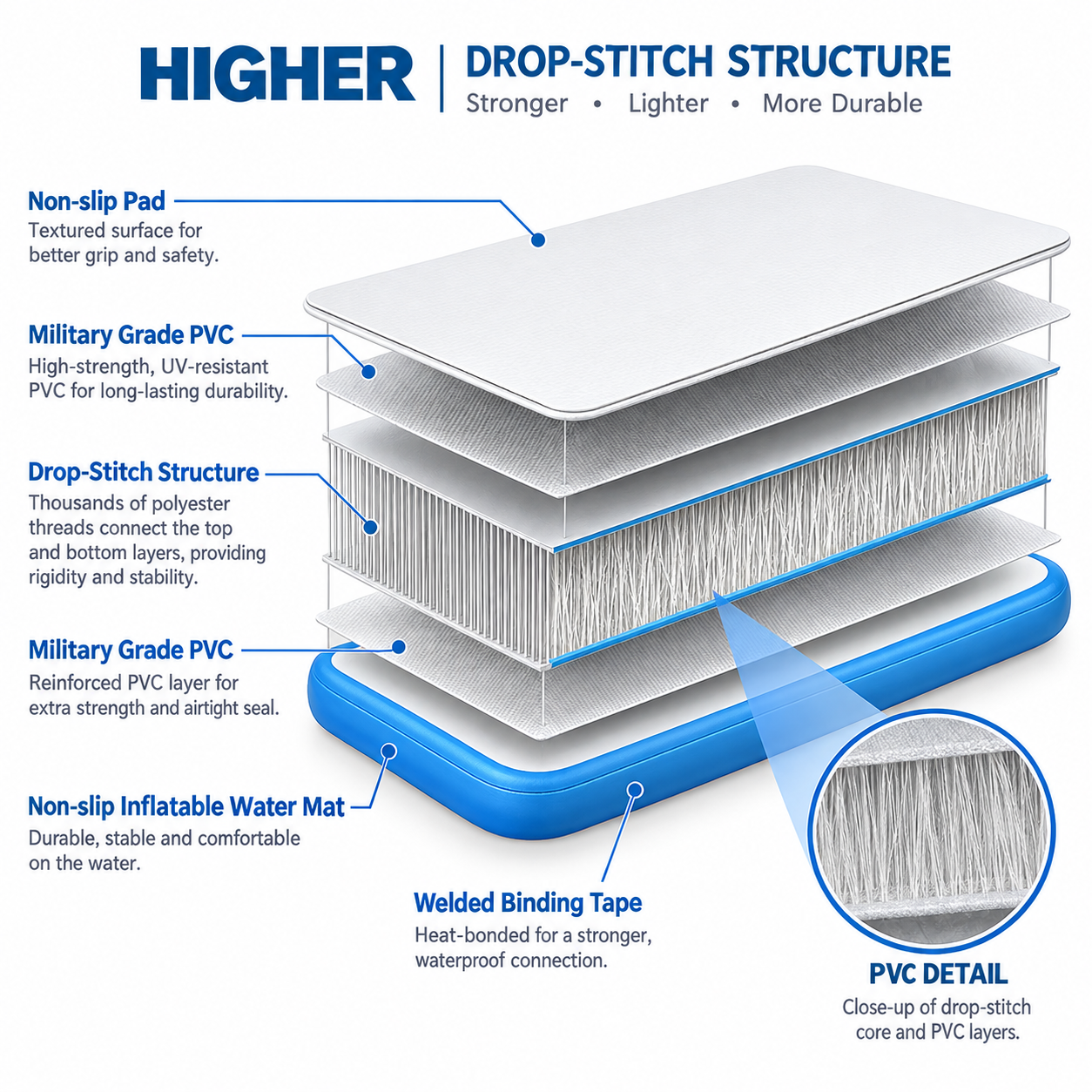
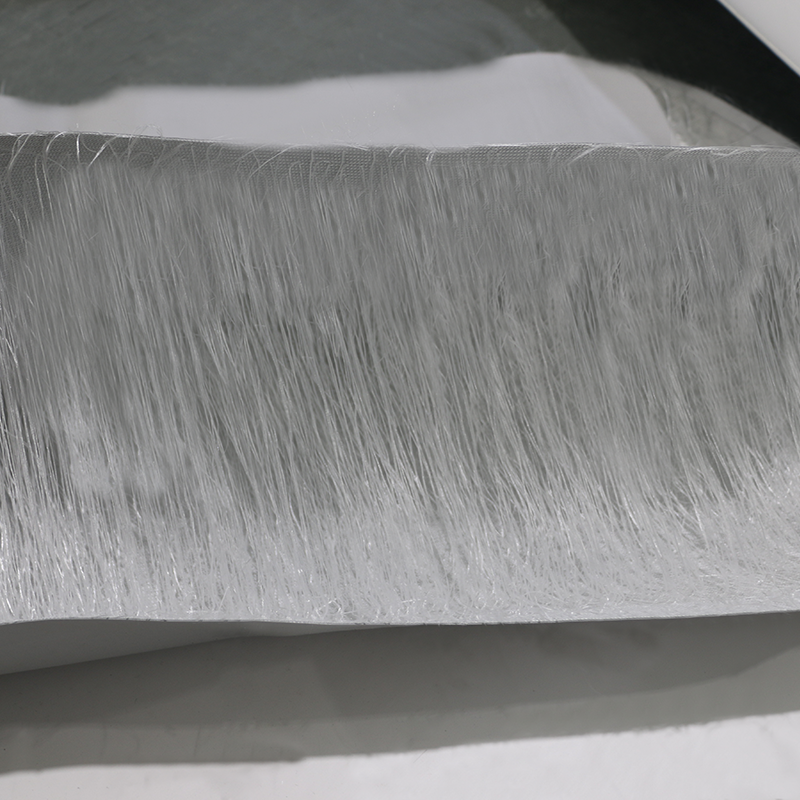
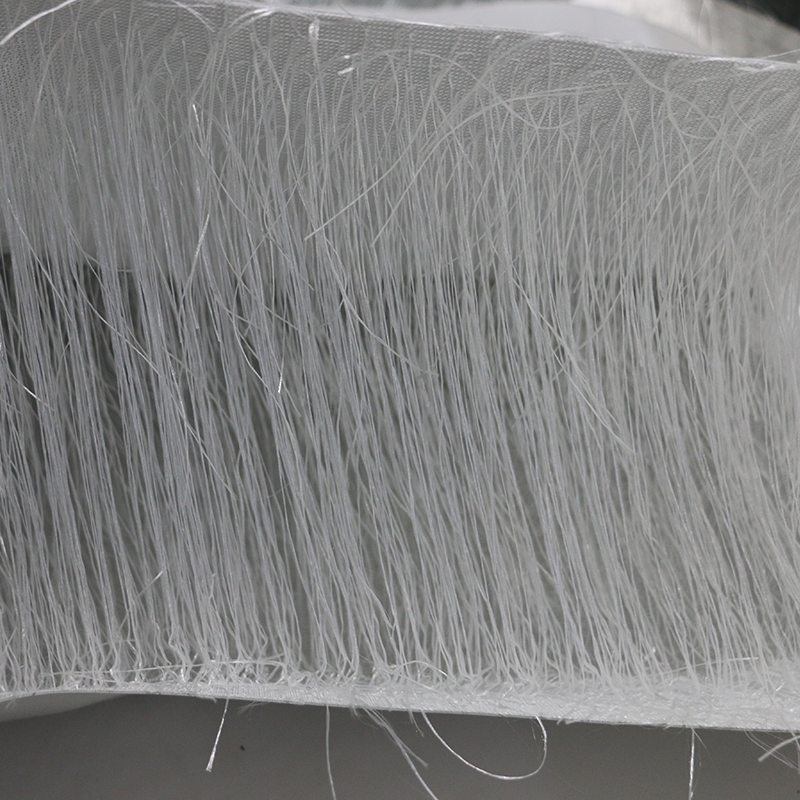
Drop-stitch is not a marketing term. It describes a core in which thousands of high-tensile polyester threads connect the top and bottom PVC layers, holding them at a fixed distance apart. Inflate the panel and those threads come under tension, locking the platform into a flat, rigid surface. Without that internal thread array, a platform at working pressure will dome, sag underfoot, and lose its geometry once anchored.
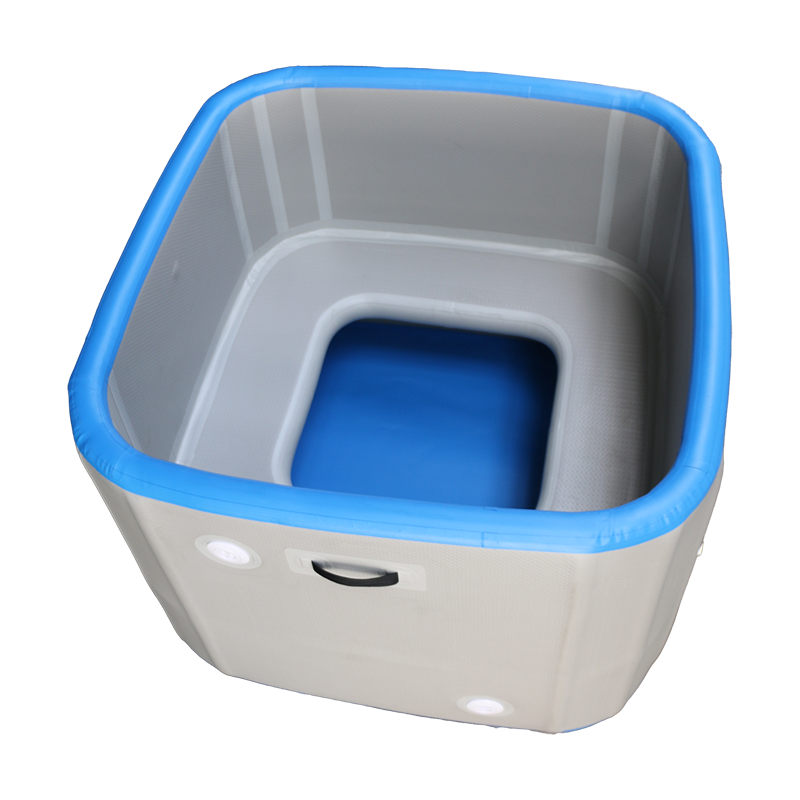
Ask for the thread construction and the fabric weight in writing. On the cold plunge side of our own range, the tub runs a 1000D / 1.2 mm Drop-Stitch (Double Wall Fabric) core — a specification that is checkable against a lab report, not just a brochure.
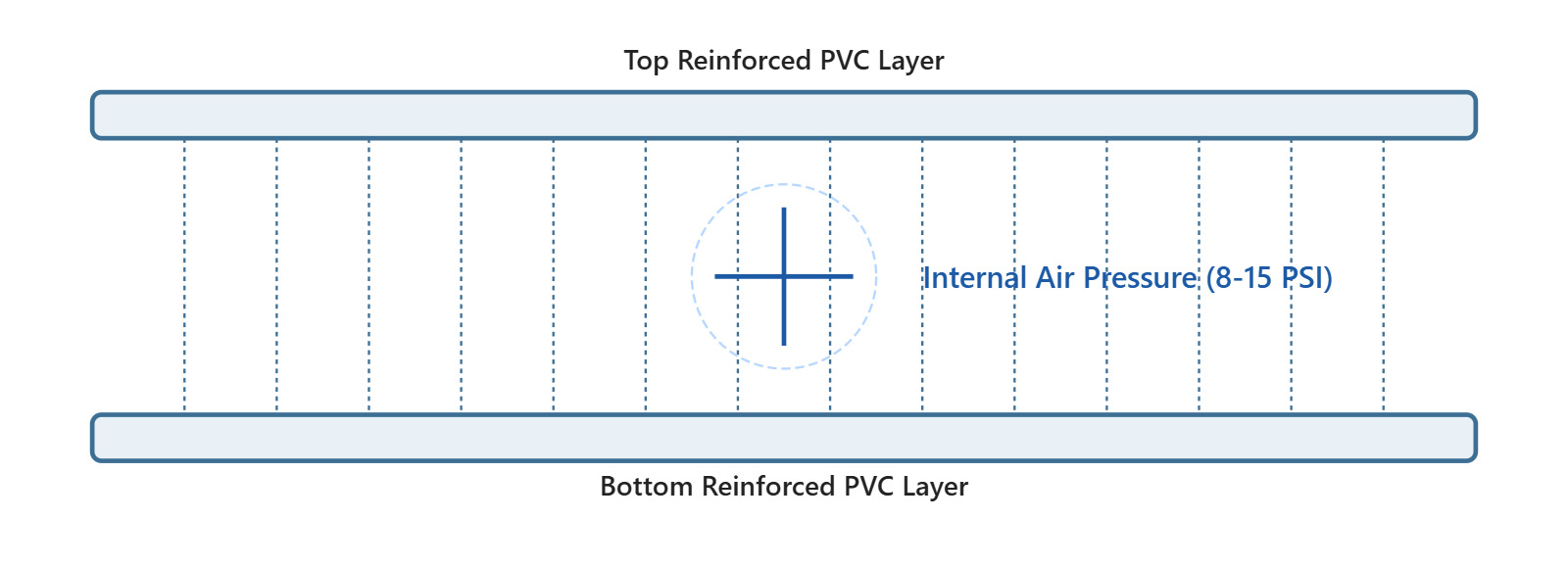
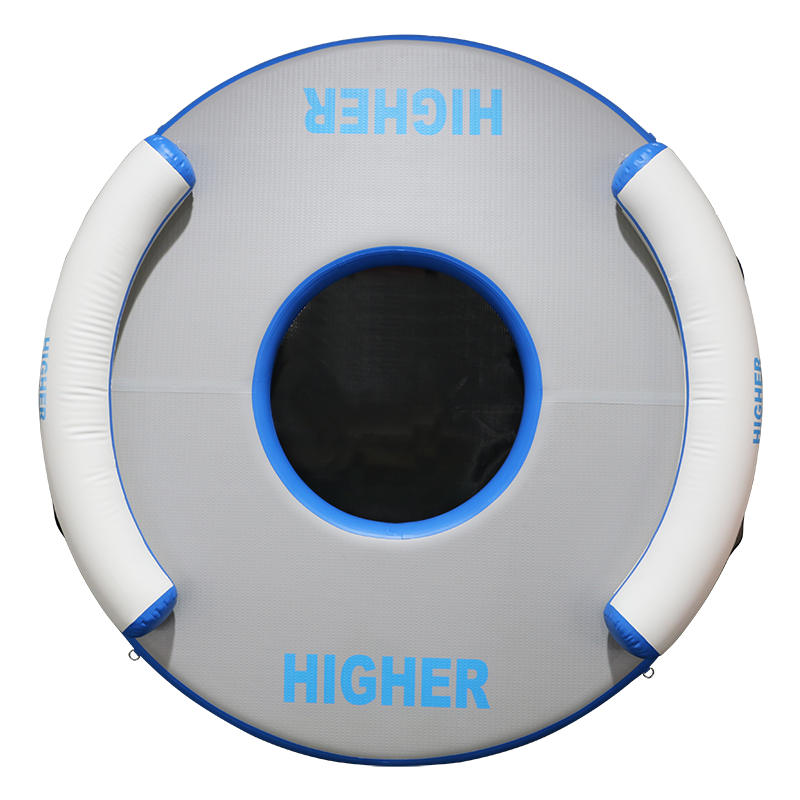
Pressure is where the categories separate. Conventional inflatables — beach toys and lightweight lounge floats — run at roughly 2 to 3 PSI. Drop-stitch platforms are designed for 8 to 15 PSI, and HIGHER's floating platforms, swim platforms, and cold plunge tubs specify 10 to 15 PSI at operating pressure.
Under-inflation is the most common field failure: a platform inflated to 8 PSI still looks solid on the beach but flexes under anchor load, traps water in the deck seams, and wears along the fold lines. Over-inflation stresses seams and valve seats. The practical rule is to inflate to the specified range with the supplied pump and gauge, then re-check pressure after the first day on the water, since fabric relaxes once the platform is in service.
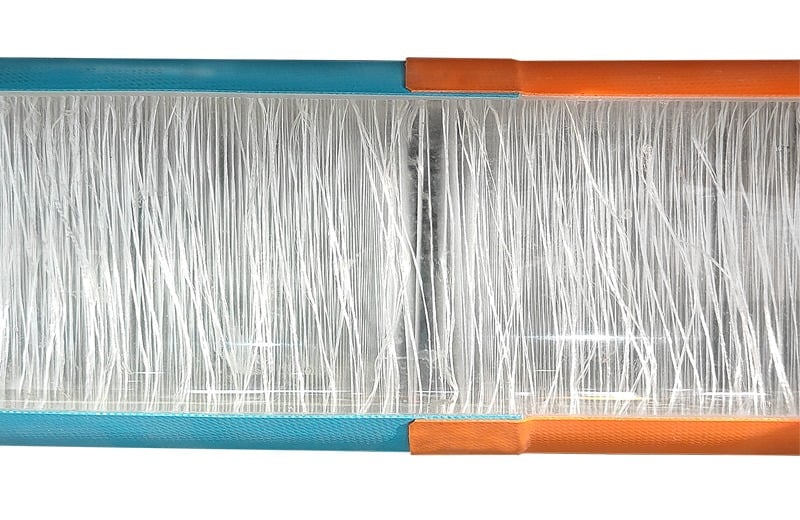
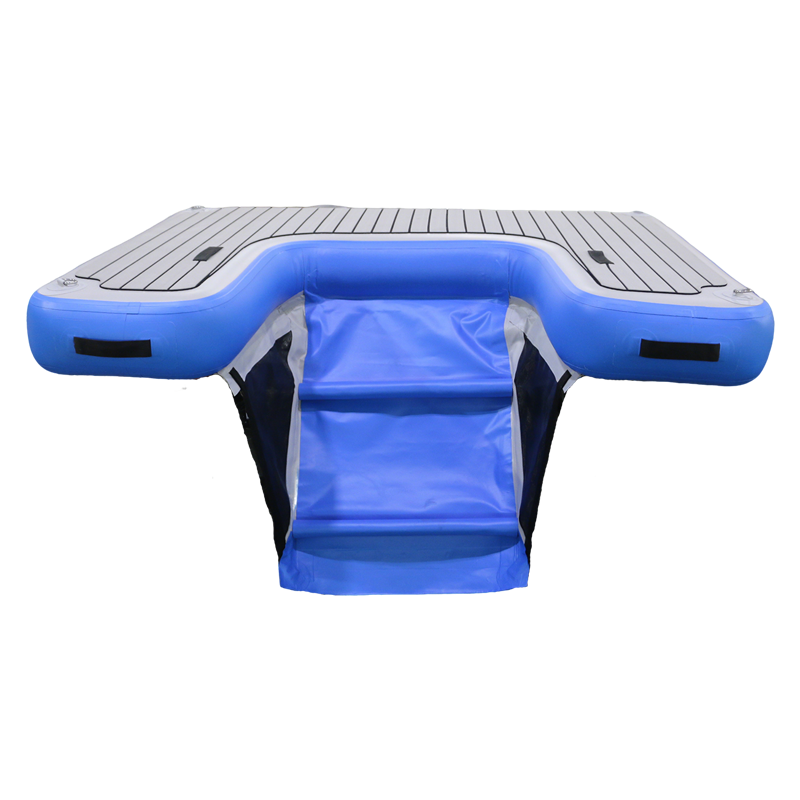
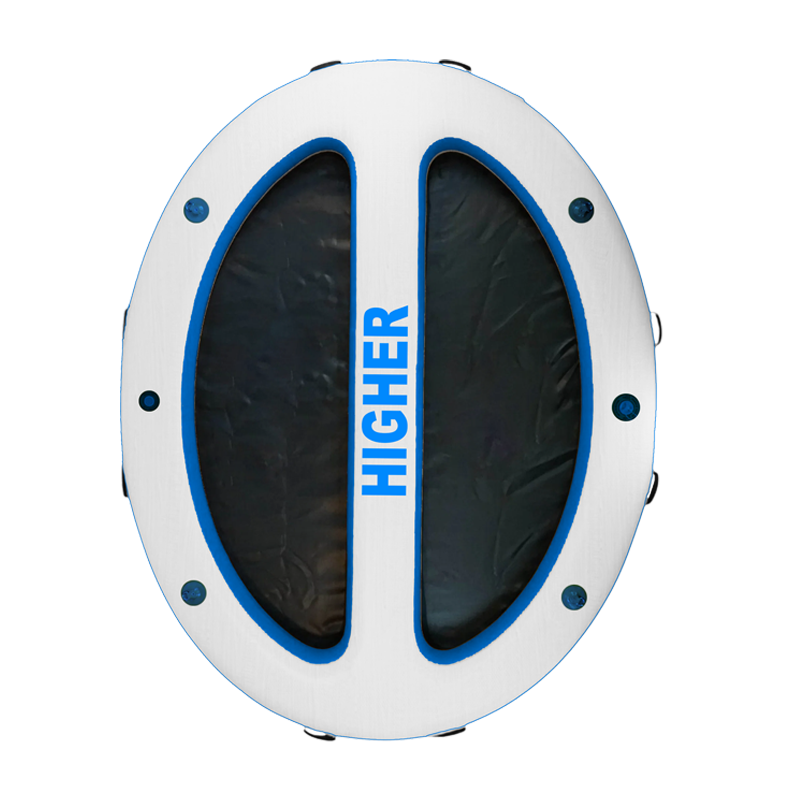
Thickness drives stability, capacity, and how the platform feels to walk on. HIGHER's floating platforms are built at 8 inches (20.3 cm) thick, with a rated capacity of 1,500 lb (680 kg). The cold plunge tub uses 10 cm (3.9 in) walls plus a 10 cm insulated lid — thickness here is thermal as well as structural. Compare thickness and capacity together, not separately: a thick panel with a low pressure rating will still deflect under a point load.
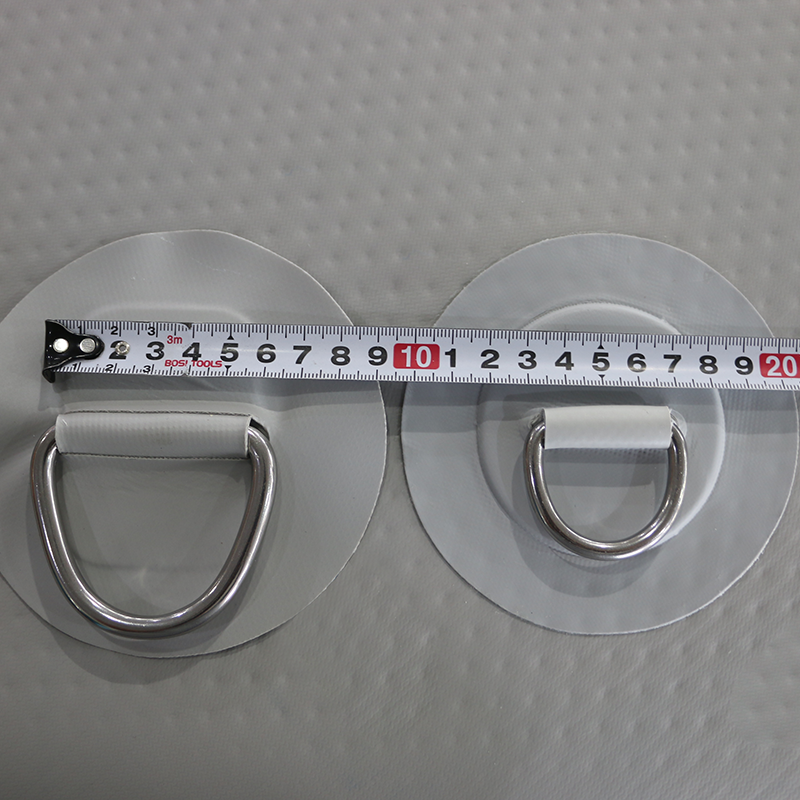
Details determine the maintenance load over a five-year service life. HIGHER platforms use a double-lock Boston valve to protect against accidental deflation, and marine-grade stainless steel D-rings heat-bonded into reinforced patches. Decking is full-surface brushed EVA for non-slip footing; accessories such as magnetic cup holders and phone holders attach through threaded mounts rather than adhesives. Webbing grab handles are load-rated for crew handling — a platform should never be dragged.
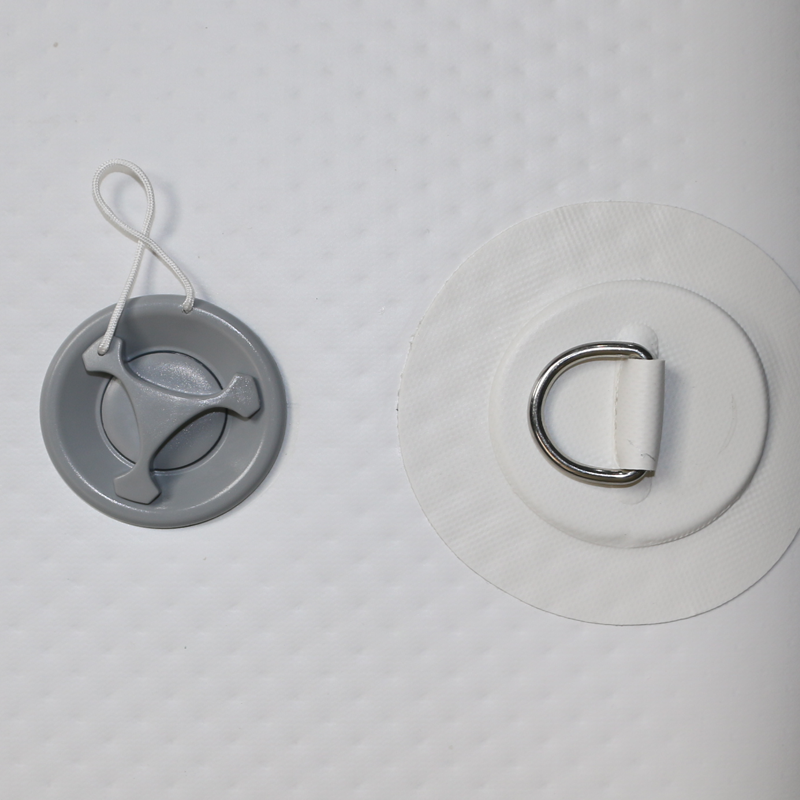
PVC structures are joined with the Heat-Activated Adhesive Bonding Process; TPU structures, including packrafts and select custom projects, are joined with the High-Frequency Thermal Welding Process for molecular-level seam bonding. The method affects flex life under repeated inflation cycles and how a unit can be repaired in the field, so it belongs in the written specification.
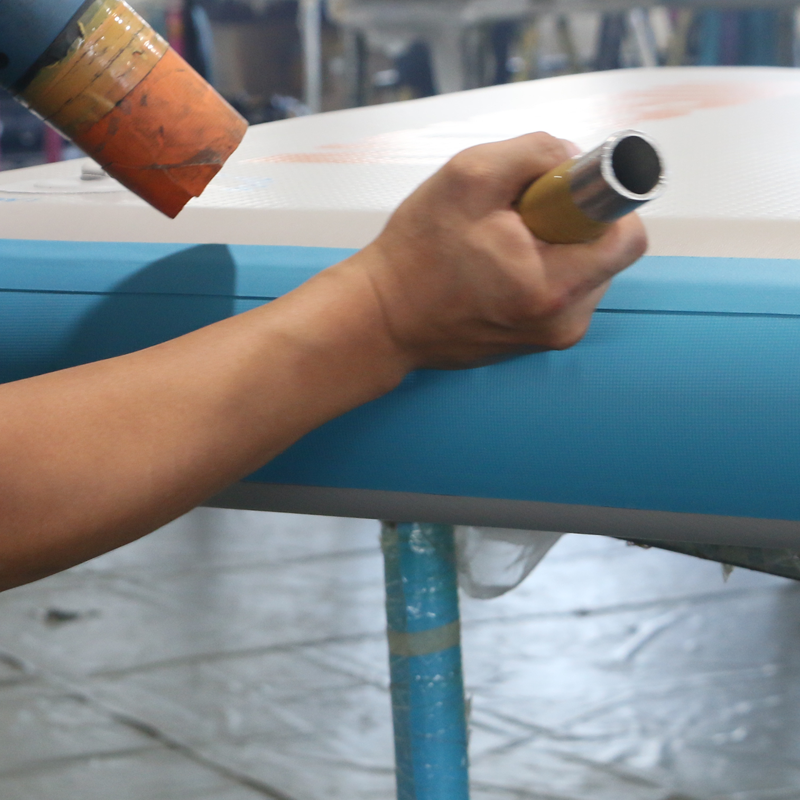
Ask how the unit is verified, and for how long. HIGHER applies a two-stage gate — a 24-hour hold on sub-assemblies, then mandatory 48-hour pressure-retention testing on the finished unit — with additional seam-level airtightness checks on TPU products. A supplier who cannot describe a retention test protocol is describing assembly, not quality control.
13 Years of Inflatable Manufacturing Excellence—Built for Brands Leading the Water Sports Market.

 EN
 Hot News