 EN

Cross-Linked Closed-Cell Matrix Versus Woven Drop-Stitch Architecture
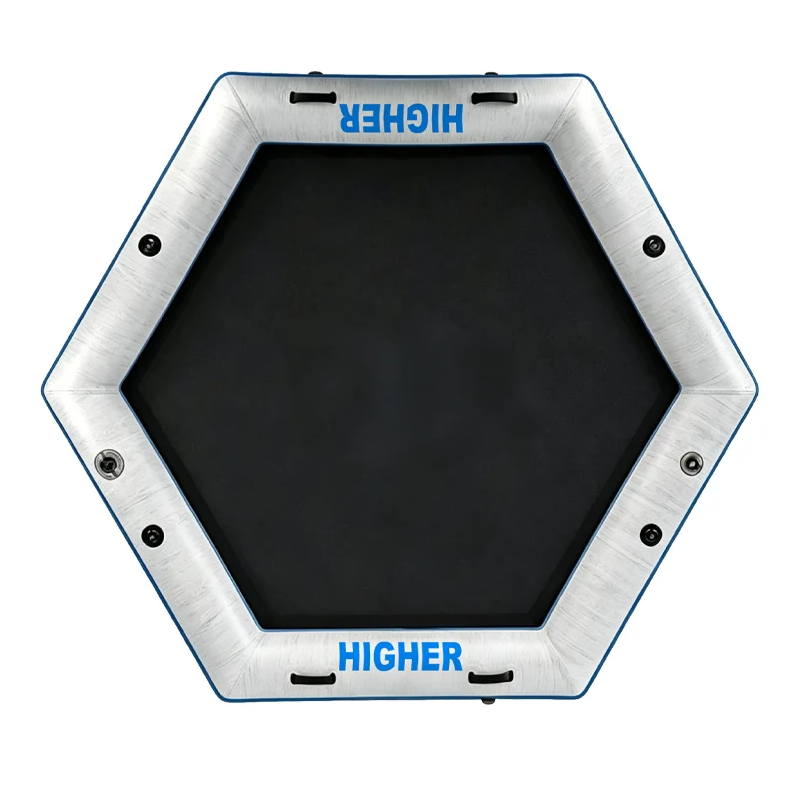
Tossing a cheap discount-store pool pad behind a pontoon boat usually ends the same way by mid-July: waterlogged foam chunks floating away in the wake or a sun-baked vinyl seam splitting open with a loud pop. Evaluating what makes a commercial floating water mat truly durable starts with separating the two primary construction families used on open lakes and coastal bays: multi-layer cross-linked polyethylene closed-cell foam pads and high-pressure woven drop-stitch inflatable decks. In closed-cell foam designs, chemical cross-linking bonds polyethylene polymer chains into a tight three-dimensional microscopic honeycomb. Unlike open-cell sponge foam that drinks up lake water and sinks, cross-linked XPE cells block moisture ingress completely even if a dog's claws scratch the top skin. However, pure foam alone tears easily when a heavy wave catches one corner while six adults stand on the opposite end. True commercial foam mats laminate a high-tenacity tear-stop nylon or polyester ripstop mesh right through the center core using thermal fusion rather than solvent glue. Conversely, inflatable drop-stitch water mats achieve rigidity by linking two 1000-denier reinforced polyvinyl chloride outer skins with thousands of internal polyester tension threads, holding twelve to fifteen pounds per square inch of air pressure without warping or delaminating.
Hot-Air Seam Welding, UV Inhibitor Dosing, and Mooring Grommet Shear
Whether a waterfront operator selects a roll-up XPE foam lily pad or an inflatable drop-stitch swim mat, environmental exposure and mechanical anchoring dictate how many summers the equipment survives. Preventing premature structural failure under EN 15649 floating leisure safety standards and ASTM D751 coated-fabric peel benchmarks depends on locking down three manufacturing details:
-
High-frequency hot-air seam welding over hand-brushed adhesives: On inflatable drop-stitch mats, overlapping the perimeter rail tape with computerized hot-air welders fuses the PVC coatings into a single molecular bond that will not soften and peel apart when surface temperatures hit fifty degrees Celsius under summer sun.
-
Ultraviolet stabilizer compounding and REACH-compliant pigments: Unprotected polymers suffer photolytic chain scission that turns bright colors chalky and brittle; blending hindered amine light stabilizers directly into the raw resin prevents surface cracking across high-UV sunbelt lakes.
-
Distributed load-plate tether systems and 316 stainless D-rings: Punching a small brass grommet straight through soft foam guarantees the anchor rope will rip right out during the first boat wake; durable mats distribute mooring pull across oversized thermoplastic polyurethane stress plates or multi-layer reinforced webbing patches.
Structural Durability Matrix Across Commercial Water Mat Constructions
Comparing tear resistance, puncture recovery, and storage durability helps marina managers and retail buyers match the right build to their waterfront conditions.
| Mat Construction Architecture | Core Reinforcement Layer | Seam & Bonding Technology | Puncture & Claw Resistance | Optimal Waterfront Scenario |
|---|---|---|---|---|
| 3-Layer Thermal-Fused XPE Foam | Internal ripstop nylon tear-stop mesh | Heat-laminated (zero delaminating glue) | Immune to deflation; minor surface scratches only | Family lake coves, shallow sandbars, rental cottages |
| Double-Wall Drop-Stitch Inflatable | 1000D woven PVC + internal vertical fibers | Hot-air welded rails + double-layer tape | High abrasion resistance, rigid 15 PSI standing deck | Yacht swim extensions, deep-water lounging, resorts |
| Single-Layer Unreinforced Foam | None (raw extruded polyethylene) | Cold contact glue at perimeter edges | Low; splits cleanly across the width under wave torque | Short-term light pool use only |
| Thin Non-Reinforced Vinyl Float | 0.25 mm unbacked PVC film | Single high-frequency pinch weld | Punctures instantly on dock splinters or shells | Casual backyard pools, zero open-water durability |
The technical comparison above highlights why commercial rental fleets avoid cold-glued multi-layer foam pads: when a glued foam mat stays rolled up inside a hot boat locker, trapped heat reactivates cheap contact cement, causing the layers to blister and separate into loose sheets.
Field Lessons from a Tampa Bay Resort and Boat Charter Fleet Audit
Deploying consumer-grade water mats into a high-turnover saltwater rental environment can wipe out an entire equipment budget in one season. During a late-summer maintenance review at a beachfront resort and catamaran charter operator on Tampa Bay, Florida, the recreation director investigated why fourteen out of twenty floating mats had been pulled from service within ten weeks. Two failure modes dominated the scrap pile. First, the unreinforced two-layer foam mats had ripped completely in half where charter guests stood near the polymeric anchor grommet while wakes from passing sportfishers lifted the nose of the mat. Second, four budget inflatable mats had suffered catastrophic side-rail blowouts at midday because hand-glued seams softened under intense Gulf Coast sunlight. Rebuilding the fleet with a specialized commercial manufacturer solved both problems ahead of the autumn tourist season. For shallow beach rentals, the resort switched to three-layer heat-fused XPE mats reinforced with internal tear-stop mesh and oversized load-spreading tether plates. For offshore catamaran charters, crews deployed double-layer hot-air welded drop-stitch inflatable mats fitted with UV-stabilized EVA traction pads and 316 stainless steel mooring rings. Equipment replacement claims dropped by ninety percent over the next twelve months.
Abrasion Boundaries and Sourcing Dual-Hub Supply Chains
Even the toughest marine polymer has mechanical boundaries that users must respect. Dragging a heavy foam or inflatable mat across barnacle-encrusted pilings, oyster beds, or rough concrete boat ramps slices through protective top skins rapidly. Lifting the mat clear of the shoreline before launching, rinsing off saltwater crystals after hauling out, and securing roll-up foam mats with wide webbing straps rather than tight bungee cords prevents edge gouging.
For outdoor brands, marine distributors, and waterfront resort operators seeking batch-consistent durability, Higher Sports combines thirteen years of specialized manufacturing at its 3,000-square-meter Qingdao production base with local U.S. warehousing in Monterey Park, California. Supported by 120 skilled staff, a 12-person R&D team, strategic raw-material buffers, and full CE EN 15649, ASTM, REACH, ISO 9001, and SGS compliance packs ready at purchase order placement, the team ships qualifying North American orders DDP directly from California so partners can count on confirmed delivery dates all season long.
Table of Contents
- Cross-Linked Closed-Cell Matrix Versus Woven Drop-Stitch Architecture
- Hot-Air Seam Welding, UV Inhibitor Dosing, and Mooring Grommet Shear
- Structural Durability Matrix Across Commercial Water Mat Constructions
- Field Lessons from a Tampa Bay Resort and Boat Charter Fleet Audit
- Abrasion Boundaries and Sourcing Dual-Hub Supply Chains