 EN

Drop-Stitch Tensile Physics and Dynamic Crowd Load Distribution
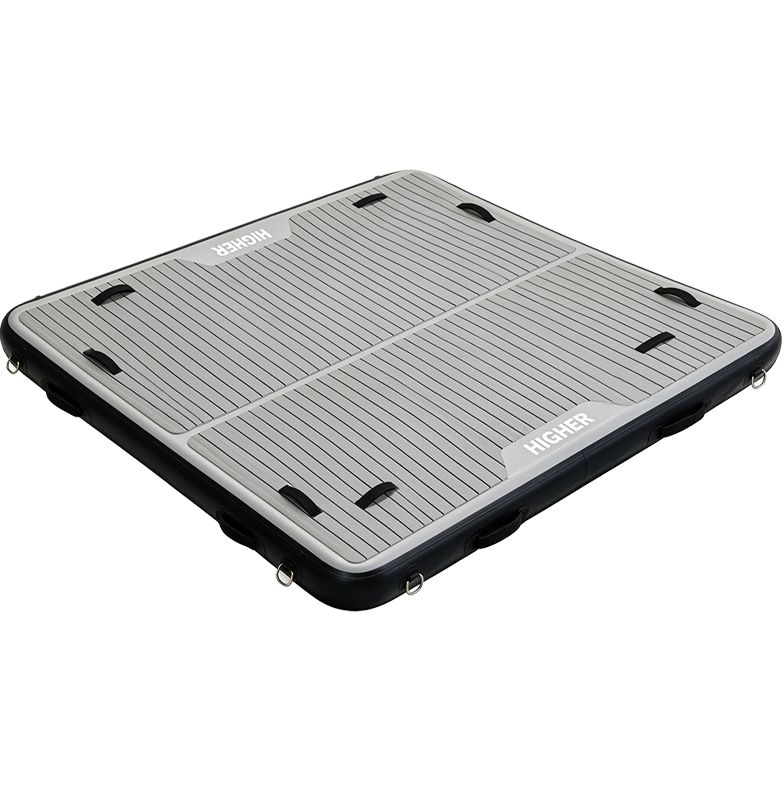
Hosting a lakefront triathlon transition zone, a VIP yacht rendezvous, or a corporate brand activation over open water requires a deck that behaves like solid timber rather than a bouncy pool toy. When event production teams deploy commercial inflatable floating dock platforms across a marina basin, structural rigidity comes down to internal drop-stitch fiber density and Archimedes displacement volume. Inside a twenty-centimeter-thick chamber, tens of thousands of high-tenacity polyester threads per square meter tie the top and bottom woven polyvinyl chloride skins together. Once high-volume electric pumps pressurize the core to twelve or十五 pounds per square inch, those internal vertical filaments lock into maximum tensile extension, preventing the deck from bulging into a cylinder. One square meter of a twenty-centimeter drop-stitch structure displaces two hundred liters of water, generating roughly two hundred kilograms of gross upward buoyancy. Even after applying a conservative fifty-percent dynamic stability safety margin to account for guests walking near the perimeter rails or wake waves rolling in from passing boats, a modular layout supports concentrated crowd loads, DJ booths, and lounge furniture without submerging ankle-deep.
Modular Interlocking Rigidity, Mooring Geometry, and Deck Traction
Lashing several floating sections together in open water creates massive shear forces along the connecting hardware whenever wind gusts or boat wakes hit the broadside of the array. Keeping a multi-platform event stage stable and slip-free throughout a twelve-hour festival relies on three marine engineering controls:
-
Four-point stainless steel D-ring triangulation and shear-webbing straps: Rather than tying single ropes loosely between corners, heavy-duty 316 stainless steel D-rings backed by multi-layer heat-welded PVC patches connect via wide cam-buckle cinch straps and neoprene gap covers so shoes never slip between adjacent modules.
-
Elasticized four-corner deadweight or auger mooring lines: Anchoring a floating venue with rigid chains causes violent jerking when water levels shift or wakes pass; attaching marine-grade nylon rode with inline shock-absorbing snubbers at a three-to-one scope ratio lets the platform ride smoothly over surface chop.
-
Diamond-grooved EVA foam deck pads and REACH-compliant skins: Wet bare feet and boat shoes lose grip instantly on slick vinyl; bonding closed-cell ethylene-vinyl acetate traction pads across the walking lanes prevents falls while satisfying EN 15649 safety stability benchmarks and European REACH chemical compliance.
Event Infrastructure Comparison Across Temporary Waterfront Decking
Weighing transport cube volume, crew assembly hours, and shoreline impact explains why drop-stitch air decks outperform rigid barges and modular plastic cubes for temporary events.
| Staging Infrastructure Type | Transport Vehicle Requirement | 50-Square-Meter Setup Time | Underfoot Crowd Stability | Post-Event Shoreline Impact |
|---|---|---|---|---|
| Commercial Drop-Stitch Air Platforms | Single cargo van or pickup bed | 60 to 90 minutes (4 crew + electric pumps) | High flat-plane stiffness at 12 to 15 PSI | Zero seabed damage, packs into carry bags |
| Rotomolded Interlocking Plastic Cubes | Two flatbed trucks + forklift | 5 to 7 hours (manual pin hammering) | Moderate, flexes and pinches toes at joints | Heavy shoreline staging footprint |
| Steel & Timber Sectional Barges | Heavy lowboy semi-trailer + crane | 1 to 2 days (requires crane launch ramp) | Maximum heavy-machinery load capacity | Severe ramp congestion and high municipal fees |
| Low-Pressure PVC Lounge Tubes | Compact van load | 45 minutes | Very low, rolls and sags under standing adults | Suitable only for casual swimming, not staging |
The operational comparison above highlights the primary financial driver for event producers: eliminating crane rentals and flatbed freight cuts marine staging logistics costs by more than half while allowing access to secluded mountain lakes or resort coves that lack heavy boat ramps.
Field Lessons from a Lake Travis Triathlon and VIP Sponsor Village
Relying on slow-to-assemble rigid pontoons for a tight weekend event permit can derail sponsor schedules before the first athlete enters the water. During a summer endurance swim and waterfront music showcase on Lake Travis near Austin, Texas, the event production agency faced a strict municipal park restriction: all water staging had to be launched after six o'clock Friday evening and cleared completely by Sunday night, with zero heavy cranes allowed on the public gravel beach. The previous year, the crew had rented interlocking hard-plastic cubes that took eight workers until two in the morning to hammer together, and wave action sheared three connecting pins during Saturday's race start. Switching the entire water venue to twelve commercial twenty-centimeter-thick modular inflatable platforms transformed the operation. Four crew members carried the rolled units down the gravel path by hand, inflated the array using portable battery and generator pumps in seventy minutes, and locked the sections into a U-shaped swim start dock and a floating VIP spectator lounge using heavy-duty stainless D-ring truss straps. Despite thirty-kilometer-per-hour afternoon winds and constant wakes from spectator wakeboard boats, the tensioned array stayed flat and level all weekend, and Sunday teardown wrapped up in under ninety minutes.
Wind-Load Weather Boundaries and Sourcing Resilient Supply Chains
Responsible marine event planning requires respecting environmental weather cutoffs and thermal pressure physics. Any temporary floating structure acts like a horizontal sail when sustained winds climb past twenty-five knots or lightning cells approach the basin; event safety directors must maintain a clear shore evacuation bridge and halt water access during squalls. Additionally, cold morning inflation followed by intense midday sun expands internal air volume, so deck crews should check pressure with a inline manometer at noon and bleed off one to two PSI if solar heating pushes the chamber above its rated working pressure.
For event production agencies, waterfront resorts, rental operators, and outdoor brands seeking dependable commercial water equipment, Higher Sports unites thirteen years of manufacturing expertise at its 3,000-square-meter Qingdao production base with local U.S. warehousing in Monterey Park, California. Backed by ISO 9001 quality management, SGS verification, strategic raw-material buffers, and complete CE EN 15649, ASTM, and REACH compliance packs ready upon order placement, the team supports qualifying North American partners with local DDP shipping from California so seasonal events and retail programs launch right on schedule.
Table of Contents
- Drop-Stitch Tensile Physics and Dynamic Crowd Load Distribution
- Modular Interlocking Rigidity, Mooring Geometry, and Deck Traction
- Event Infrastructure Comparison Across Temporary Waterfront Decking
- Field Lessons from a Lake Travis Triathlon and VIP Sponsor Village
- Wind-Load Weather Boundaries and Sourcing Resilient Supply Chains