 EN

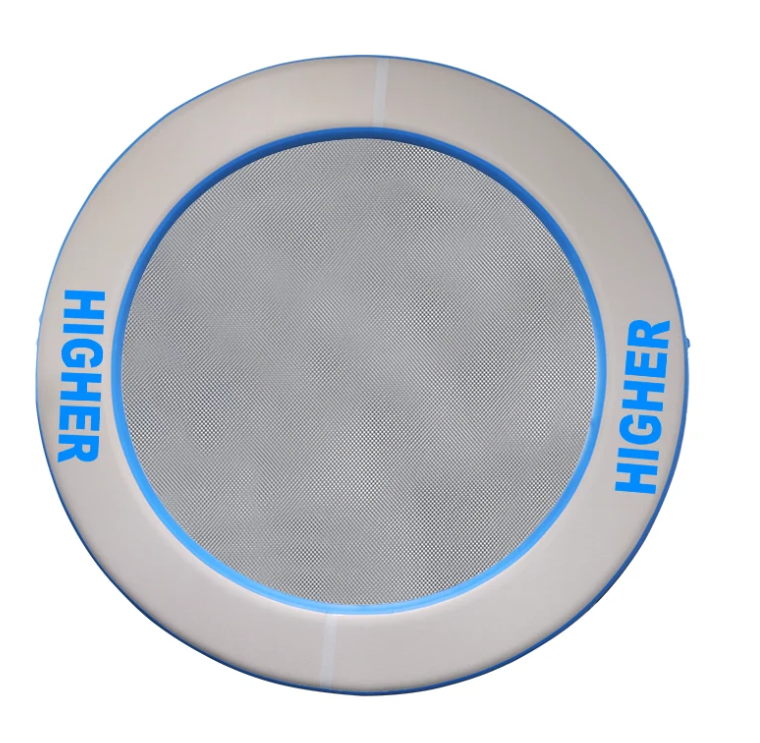
Surface Freshwater Rinsing and Valve-Seat Grit Clearance
Pulling a heavy floating dock out of a lake or saltwater bay and immediately popping the air plug open is one of the fastest ways to ruin the internal check valve. Before releasing a single pound of air from a commercial inflatable platform, deck crews need to wash away sand, crushed shells, zebra mussel larvae, and salt crystals while the structure is still rock-hard at ten to fifteen pounds per square inch. Hosing down a rigid, fully pressurized deck takes less than five minutes because every seam, stainless steel D-ring, and non-slip ethylene-vinyl acetate traction pad sits completely flat. Once the deck loses pressure, limp polyvinyl chloride folds trap wet lake silt inside the creases where a towel cannot reach. Even more critical is drying the recessed valve perimeter. If pooled water sits inside the valve cup when the spring pin opens, rushing air sucks moisture and fine sand grains across the silicone rubber gasket. Wiping the valve housing bone-dry with a microfiber cloth prevents slow overnight micro-leaks during the next deployment and stops trapped humidity from growing black mildew inside the internal polyester drop-stitch chamber.
Two-Stage Halkey-Roberts Valve Depressurization Mechanics
Commercial drop-stitch docks hold an impressive volume of compressed air under high tension. Jamming a thumb straight down onto a Halkey-Roberts or leafield-style high-pressure valve stem and twisting it into the locked-open position right away releases a deafening sonic blast that can吹out the rubber O-ring seal or startle nearby dock hands. Safe depressurization under EN ISO 15649 floating leisure article operational guidelines follows a controlled तीन-step mechanical sequence:
-
Initial stage-one pressure bleeding: Unscrew the external dust cap and press the central spring-loaded valve pin halfway down for three to five seconds without twisting it; letting the top three or four PSI hiss out gradually drops internal tension safely before locking the pin open.
-
Full quarter-turn lock-open engagement: Once the initial high-velocity blast subsides, push the central stem all the way down and rotate it ninety degrees clockwise or counterclockwise until it clicks and stays recessed, allowing ambient atmospheric pressure to push the bulk of the air volume out naturally.
-
Vacuum extraction via the electric pump deflate port: Attach the reinforced hose to the intake or "Deflate" port of a twelve-volt or mains-powered high-pressure pump and draw the remaining air out until the top and bottom PVC skins pull flat together like a vacuum-sealed pancake, stopping just as the deck flattens so the motor does not overheat.
Deflation and Folding Protocol Matrix Across Platform Sizes
Adapting evacuation methods and folding widths to the thickness and footprint of the dock prevents creased rail tape and oversized storage bags.
| Platform Dimension & Thickness | Internal Air Volume | Recommended Evacuation Method | Optimal Folding Pitch Width | Primary Structural Risk to Avoid |
|---|---|---|---|---|
| Compact Swim Mat (2.5m x 1.5m x 15cm) | ~560 Liters | Natural vent + manual knee-roll | 30 to 35 cm flat accordion folds | Rolling toward the valve instead of away from it |
| Modular Yacht Dock (3.0m x 2.0m x 20cm) | ~1,200 Liters | Two-stage valve bleed + electric vacuum pump | 40 to 45 cm wide folds around EVA pads | Creasing across rigid ballast bags or grab handles |
| Commercial Resort Island (4.0m+ x 20cm) | 2,000+ Liters | Dual-valve staged bleed + high-CFM vacuum | 50 cm loose folds with protective rail pads | Dragging deflated PVC corners across concrete ramps |
The operational matrix above highlights a cardinal folding rule: always begin rolling or accordion-folding from the nose end opposite the inflation valve. If an operator starts rolling from the valve end, trapped air gets pushed into a tight balloon at the far tip with nowhere to escape, stressing the heat-welded perimeter rail seams.
Field Lessons from a Lake Michigan Marina Rental Fleet Overhaul
Improper autumn deflation and tight cold-weather folding can destroy an entire rental fleet inside winter storage lockers. During a spring commissioning inspection at a waterfront boat club and rental marina on Lake Michigan, the dock master discovered that six out of twenty heavy-duty floating lounges failed to hold pressure overnight, while several others showed white stress-whitening cracks along the side rails. An engineering teardown traced the damage back to how seasonal staff had packed the units away the previous October. First, workers had deflated the docks on a sandy boat ramp without vacuum-pumping the residual air, forcing them to stomp on the folded corners with heavy boots to cram the bulky mats into their carry bags. Second, staff had left the Halkey-Roberts valve pins twisted in the locked-open down position for five months in an unheated shed; compressed all winter, the internal stainless steel springs lost their rebound memory, and the elastomer washers developed permanent indentations that leaked air. Retraining the crew and upgrading the fleet with commercial-grade REACH-compliant drop-stitch platforms resolved the issue. Crew members adopted two-stage deflation, vacuumed the decks flat without stomping on the rails, and returned every valve pin to the closed upright position before capping and storing the units in a climate-buffered room. Spring leak rates dropped to zero the following season.
Storage Temperature Boundaries and Sourcing Resilient Supply Chains
Even high-tenacity 1000-denier reinforced PVC laminate has thermal boundaries during off-season storage. Below zero degrees Celsius, polymer plasticizers stiffen considerably; unfolding or dropping a frozen roll onto a warehouse floor can crack the coating just like cold vinyl siding. Letting cold-stored units warm up to fifteen degrees Celsius before unrolling, and sprinkling a light dusting of non-talc cornstarch only if storing in humid tropical boat lockers, keeps the outer skin supple for years.
For waterfront resorts, marine distributors, and outdoor leisure brands seeking dependable commercial equipment, Higher Sports combines thirteen years of specialized manufacturing at its 3,000-square-meter Qingdao production base with local U.S. warehousing in Monterey Park, California. Backed by ISO 9001 quality management, SGS verification, and full CE EN 15649, ASTM, and REACH compliance packs ready at purchase order placement, the team maintains strategic raw material buffers and DDP California replenishment so partners can plan seasonal inventory around confirmed delivery dates with complete confidence.
Table of Contents
- Surface Freshwater Rinsing and Valve-Seat Grit Clearance
- Two-Stage Halkey-Roberts Valve Depressurization Mechanics
- Deflation and Folding Protocol Matrix Across Platform Sizes
- Field Lessons from a Lake Michigan Marina Rental Fleet Overhaul
- Storage Temperature Boundaries and Sourcing Resilient Supply Chains