 EN

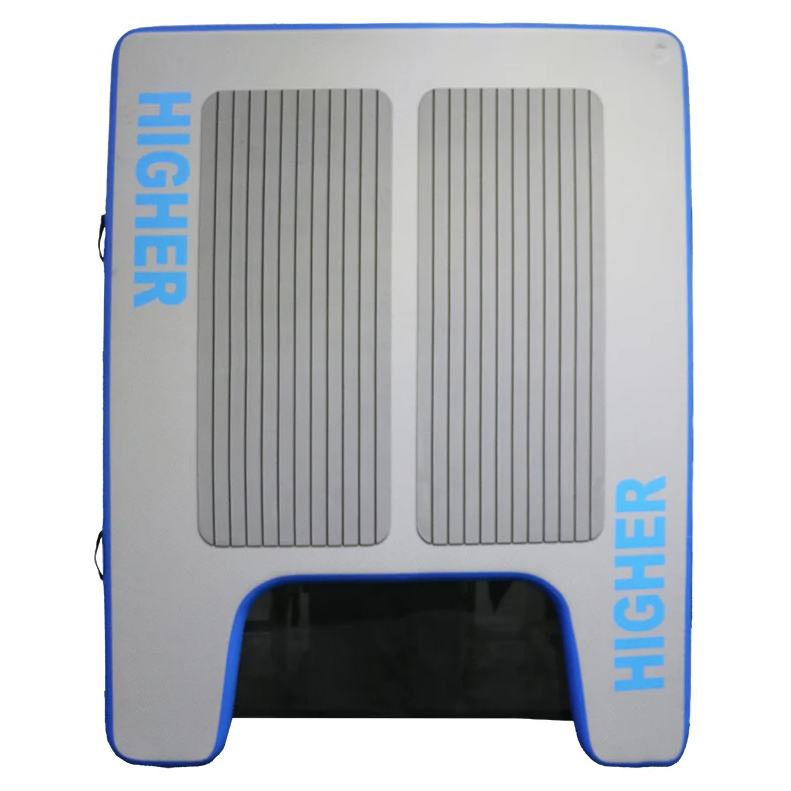
Core variables that shape installation difficulty for a dock for boats
Installation complexity for a dock for boats depends heavily on structural type, local water environment and supporting hardware preparation. Rigid fixed pile docks require underwater piling work, heavy construction machinery and certified on‑site technicians. These systems demand multi‑day work cycles and specialized skill sets. Inflatable floating boat docks follow an entirely different workflow. Assembly centers on air inflation, mooring hardware connection and shore anchoring. Even so, simple inflation does not equal zero‑effort setup. Water depth fluctuation, shoreline terrain and wave exposure all add extra steps that raise overall project difficulty. Many purchasing parties underestimate site‑specific constraints and run into delays after product delivery.
Real‑world deployment observations from a lakeside marina upgrade
One regional lakeside marina carried out facility expansion to add temporary boat berthing positions. Initial planning leaned toward traditional framed floating docks. Site survey revealed uneven lakebed substrate and frequent water‑level shifts driven by seasonal rainfall. Driving fixed support piles would require permit applications and costly underwater operations. Project managers switched over to inflatable boat dock units. Core unit inflation finished within a few hours with portable air pumps. Crews focused on mooring rope adjustment and shore anchor fixation. Minor fine‑tuning continued over two subsequent days to adapt to daily water‑level swings. Final berthing function met operational requirements. This practical case illustrates how site conditions alter total installation workload even for user‑friendly floating dock solutions.
Installation workload comparison of common boat dock formats
Different dock formats carry distinct labor and tool requirements for field setup. Reference data draws from recreational marine industry practical deployment records. The table below compares typical installation traits.
| Dock Type | Main Required Tools | Approximate On‑Site Man‑Hours | Key Installation Challenges |
|---|---|---|---|
| Inflatable Floating Dock | Portable air pump, mooring ropes, shore anchors | 3‑8 hours per unit | Regular re‑tensioning for water‑level changes |
| Modular Plastic Floating Dock | Interlocking blocks, hammer, fastening bolts | 12‑22 hours for small berth | Precise alignment for multiple connected modules |
| Pile‑Supported Fixed Dock | Pile driver, underwater drilling gear, heavy hardware | 40‑70 hours for basic berth | Permit procedures and underwater construction risk |
| Wood Frame Floating Dock | Saw, drill, galvanized fasteners, flotation drums | 25‑45 hours for small berth | On‑site cutting and anti‑corrosion treatment |
Hidden shore anchoring work often overlooked during planning
Fast inflation of floating dock bodies creates misleading impressions of fully completed setup. Reliable performance hinges on stable shore anchoring rather than only the inflatable main body. Weak anchor points allow the whole platform to drift under wind or wave force. Shoreline ground composition makes a large difference. Solid compact soil holds anchor hardware well, while loose sand or muddy banks demand expanded ground plates or multiple distributed anchor points. Improper anchoring becomes the top source of field complaints, even when the dock unit itself arrives in perfect factory condition. Marine safety guidance documents note that anchoring configuration deserves equal planning priority with dock hardware selection.
Environmental factors that increase on‑site setup complexity
Certain water environments raise installation burden regardless of dock product style. Locations with persistent choppy waves need extra mooring lines and buffer protection components. Areas with large seasonal water‑level variation require adjustable rope lengths to prevent over‑tightening or excessive slack. Rocky shorelines limit anchor embedding options and force alternative fixing schemes. Cold low‑temperature settings slow air pump efficiency and make flexible dock material stiffer during handling. Skipping pre‑installation site assessment leads to rushed adjustments once hardware arrives at the waterfront.
Practical preparation steps to smooth out dock deployment
Several straightforward preparation actions reduce avoidable trouble during boat dock installation.
- Collect local water‑level variation data to define anchoring adjustment range.
- Inspect shore ground conditions and select matching anchor hardware ahead of time.
- Confirm whether local water‑front use permits apply to dock deployment.
- Gather all auxiliary mooring parts and test inflation equipment before arriving on site.
Thorough pre‑work lowers unexpected obstacles and shortens actual waterfront working time. HIGHER maintains mature manufacturing workflows for inflatable water‑sport hardware, holding internationally‑recognized safety certifications. Its R&D output considers real‑world shore and water conditions, delivering hardware that fits varied berthing deployment scenarios for global B2B partners.
Table of Contents
- Core variables that shape installation difficulty for a dock for boats
- Real‑world deployment observations from a lakeside marina upgrade
- Installation workload comparison of common boat dock formats
- Hidden shore anchoring work often overlooked during planning
- Environmental factors that increase on‑site setup complexity
- Practical preparation steps to smooth out dock deployment