 EN

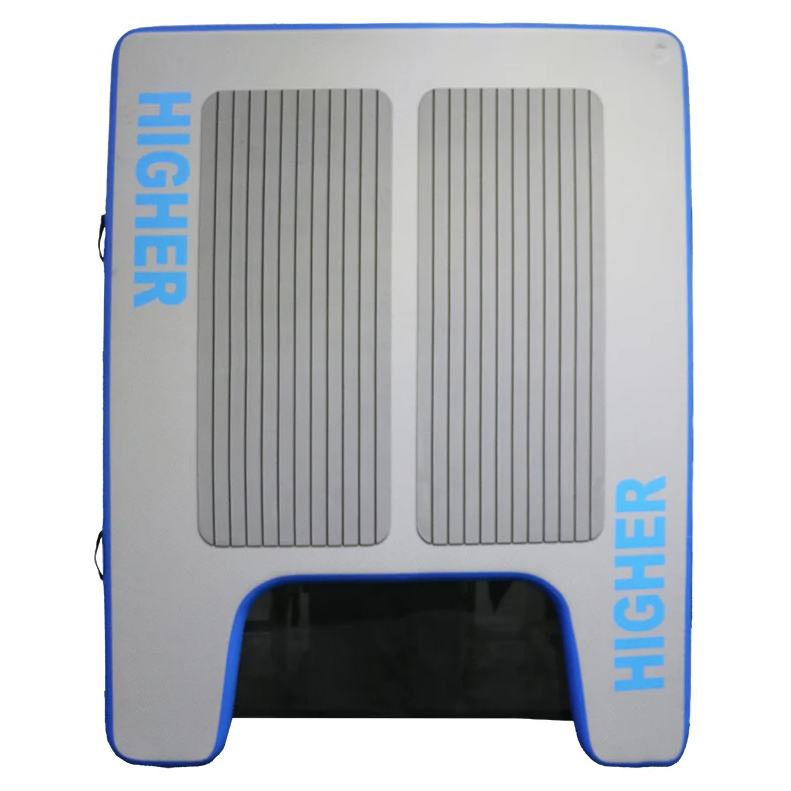
What a Floating Dock Actually Does
A floating dock for boats is not just a platform that happens to sit on water. It is a system that rises and falls with the water level, which changes everything about how a shoreline or marina operates. Instead of fixed pilings that require constant adjustment as tides move, a floating dock stays at a consistent height relative to the water surface. That means boarding a boat is always the same step, whether the tide is high or low. For anyone who has scrambled down a steep ramp at low tide or climbed a ladder to reach a boat at high tide, the appeal is obvious. The concept is simple, but the engineering behind a stable, durable floating platform involves buoyancy calculation, structural framing, and mooring design that all have to work together.
Constant Height Means Safer Boarding
The most immediate benefit is safety and convenience. A fixed dock at low tide can leave a gap that is awkward or dangerous to cross. At high tide, the same dock can be nearly level with the deck, or worse, submerged. A floating dock eliminates that variability. The walking surface stays at a predictable height, which reduces the risk of slips and falls, especially for older boaters or people carrying gear. Ramps connecting the floating dock to shore are designed to accommodate the full tidal range, so the transition is gradual rather than abrupt. In a marina in the Pacific Northwest where tidal swings can exceed four meters, the difference between a floating system and a fixed one is not a matter of convenience. It is a matter of whether the dock is usable at all during certain hours of the day.
Adapting to Changing Water Levels Without Constant Work
Fixed docks require maintenance as water levels change. Pilings need to be inspected, hardware needs to be adjusted, and in some cases the entire structure has to be raised or lowered seasonally. A floating dock handles these changes passively. When the water rises, the dock rises. When it falls, the dock falls. There is no mechanism to adjust, no seasonal labor to schedule. For marinas and private owners, that translates into lower operating costs and less downtime. It also extends the usable season in regions where water levels fluctuate significantly, because the dock remains functional across a wider range of conditions. The mooring system, typically consisting of guide piles or chain systems, keeps the dock in position without restricting its vertical movement.
Stability and Load Capacity in Real Conditions
A common misconception is that floating docks are less stable than fixed ones. That is not necessarily true. Stability depends on the design of the pontoon or float system, the width of the dock, and the distribution of weight. A properly engineered floating dock with adequate buoyancy and a wide footprint can feel just as solid as a fixed structure. Load capacity is calculated based on the displacement of the floats and the freeboard that remains when the dock is fully loaded. The table below compares typical characteristics across common dock types.
| Dock Type | Vertical Movement | Installation Complexity | Typical Load Capacity | Suitability for Tidal Areas |
|---|---|---|---|---|
| Floating dock | Follows water level | Moderate | 50 to 150 kg per square meter | Excellent |
| Fixed timber dock | None | High | 100 to 200 kg per square meter | Poor |
| Pile supported dock | None | High | 150 to 300 kg per square meter | Moderate |
| Cantilever dock | None | Moderate | 75 to 150 kg per square meter | Poor |
These values are representative and depend on specific design and materials. The point is that floating docks are not inherently weaker. They are simply designed around a different set of constraints.
Where Floating Docks Make the Most Sense
Floating docks are not the right answer for every situation. In locations with minimal tidal change and stable water levels, a fixed dock may be simpler and less expensive. In areas with heavy ice formation, floating docks need to be removed or protected during winter, which adds seasonal work. Very large vessels with deep draft may require a different mooring approach entirely. The sweet spot for floating systems is in tidal or fluctuating water environments, in marinas where flexibility matters, and in locations where the cost of driving pilings is prohibitive. They also work well for temporary or seasonal installations, since they can be repositioned or reconfigured more easily than fixed structures. Being clear about these limits helps buyers avoid mismatched expectations.
Materials and Construction That Determine Longevity
The service life of a floating dock depends heavily on the materials used. Floats are typically made from polyethylene or concrete, each with tradeoffs in cost, durability, and buoyancy. The decking can be wood, composite, or aluminum. The framing is usually galvanized steel or aluminum, with the choice affecting weight, corrosion resistance, and cost. Hardware and fasteners need to be rated for continuous immersion, which means stainless steel or hot dipped galvanized components. In a marina expansion on the Gulf Coast, a contractor compared two dock sections installed at the same time. One used standard galvanized fasteners, the other used 316 stainless. After three years in salt water, the galvanized section showed significant corrosion at connection points, while the stainless section was largely unaffected. The material choice was the difference between a maintenance issue and a non issue.
How Manufacturing Experience Supports Reliable Supply
Floating docks for boats are increasingly supplied as modular systems that arrive ready for assembly, which puts pressure on the manufacturer to get the details right before shipping. Since 2013, the team behind Ushigher Sports has been producing outdoor sports and inflatable water entertainment products, with a 120 person workforce, a 12 member R and D team, and monthly capacity in the thousands of units. Products comply with CE, ASTM, and REACH requirements, and a US based warehouse supports faster fulfillment for North American buyers. For distributors and marina operators who need consistent quality across repeat orders, that combination of manufacturing depth and local support is what keeps projects on schedule.
Table of Contents
- What a Floating Dock Actually Does
- Constant Height Means Safer Boarding
- Adapting to Changing Water Levels Without Constant Work
- Stability and Load Capacity in Real Conditions
- Where Floating Docks Make the Most Sense
- Materials and Construction That Determine Longevity
- How Manufacturing Experience Supports Reliable Supply