 EN

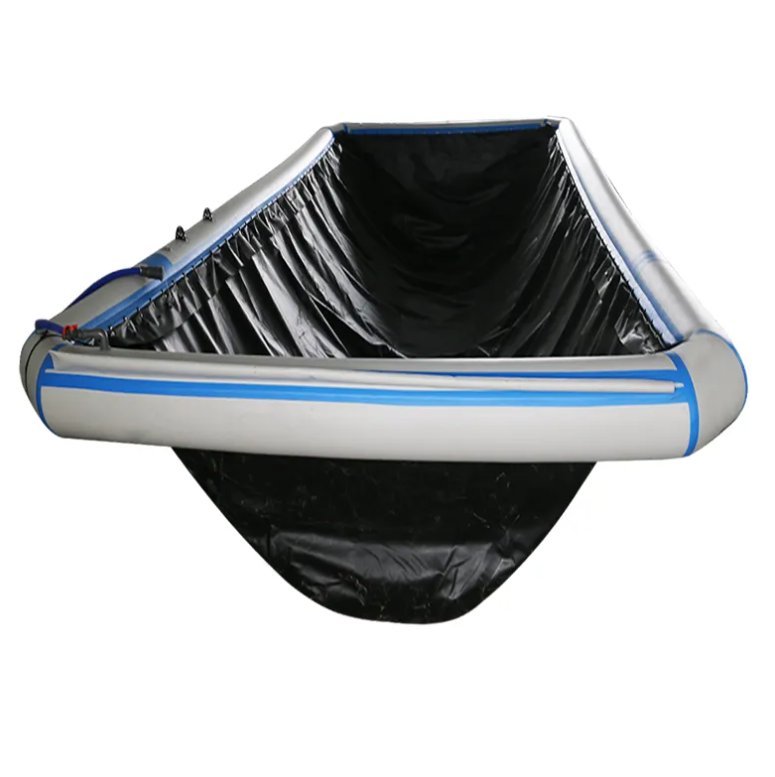
Core Site Environment Analysis Before Drafting Dock Layout
Marine infrastructure design guidelines released by international water sports industry associations mark site environment evaluation as the primary step of all ship dock design work. After thirteen years of coordinating dock customization projects for marina operators and waterfront property developers across thirty-four countries, technical design teams have formed mature standards for pre-design field investigation. Every design project starts with a comprehensive collection of local water environment data, including annual tide fluctuation, maximum wind wave height, water depth variation, and sediment composition at the water bottom. For inland lake regions with frequent water level changes, designers reserve flexible floating adjustment space in the overall layout, while coastal bay sites need extra anti-wave structural reinforcement. Many marina clients skip full site research and receive docks with poor stability after installation, which increases extra reconstruction and modification costs. Complete site data analysis helps lock the overall shape length, and width of the dock in the early design stage, effectively avoiding structural tilt or sinking risks under long term ship parking load. All survey data can be submitted to internal R&D teams to adjust design parameters and match the actual water environment conditions of each project.
Load Bearing Structure Design Matching Different Ship Sizes
Drop stitch woven structure acts as the core supporting system of modern inflatable ship docks, and professional water sports product engineers regard woven density and material thickness as two decisive factors of load-bearing capacity. Ethan Carter, who works as procurement director of a global water leisure brand, shared professional evaluation data on modular dock structures, stating high density drop stitch layers distribute ship weight evenly and prevent local collapse during long term mooring. Small fishing boats and personal paddle craft match docks with medium-thickness woven layers, while medium and large yachts need thicker reinforced drop stitch layouts with extra bottom tension structures. A completed Y-shaped dock project delivered to a lake resort fully proves the value of targeted structural design. The special split layout adapts to frequent lake water level ups and downs, and reinforced bearing zones at ship berthing positions eliminate uneven pressure issues.
Material Selection That Meets Global Market Compliance Standards
All ship docks planned for cross-border sales must follow unified international safety and environmental certification standards to clear customs inspection smoothly in European, American, and Oceanian markets. Authoritative third-party institutions, including TUV SGS and AMFORI, carry out strict material testing for marine inflatable products with mandatory compliance rules of CE, ASTM, and REACH. Low-quality, thin PVC materials leak air rapidly after long-term contact with lakes or seawater and fail to pass certification tests, while high-strength, wear-resistant PVC raw materials adopted by professional manufacturers achieve stable airtightness and resist corrosion from saltwater aquatic organisms and ultraviolet radiation. Special anti-slip surface treatment is added to all boarding areas to lower fall risks for crew members. Complete material test reports and full sets of certification documents can be provided with every order, removing all market entry barriers for global distributors and private project buyers. Standardized raw material inspection procedures run before every production batch to guarantee consistent material quality for all customized dock orders.
Functional Detail Design Boosting Safety and Daily Operation
High-quality ship dock design cannot ignore small functional accessories that improve daily safety and operation efficiency. Reinforced thick edge wrapping avoids edge cracking caused by repeated ship collisions and friction, while multi-point grab handles installed on dock sides support convenient towing and manual movement during water level adjustment. For private villa sea pool docks, independent protective net isolation structures can be added into the design to separate swimming zones from ship parking areas and block marine organisms. Modular splicing design allows buyers to expand dock areas freely according to future ship quantity growth without purchasing brand new whole sets. Embroidered or printed brand logos can be set on grab handles or dock surfaces for commercial marinas to build exclusive brand display space. Client feedback collected from hundreds of global dock users proves these human-centered details greatly reduce daily maintenance work and upgrade overall safety experience for ship owners and marina visitors. All functional accessories can be integrated into the initial design drawing to realize one-time integrated production without secondary post-processing.
Customization Adjustment According To Global Regional Usage Scenarios
Water environment differences across global regions require targeted modification of basic dock design templates to achieve stable long-term use. Inland lake docks focus on flexible floating structures adapting to large tide ranges, while coastal bay docks add anti-wave buffer structures against strong sea wind and salt erosion. Private waterfront villa clients prefer compact multifunctional dock combinations integrating ship parking, swimming, and rest areas, and large public marinas demand standardized modular docks with unified specifications for mass berthing. The twelve-person professional R&D team supports a full range of personalized adjustments covering overall dimensions, thickness, surface pattern, and matching accessory sets. Buyers can send site photos, ship parameter sheets, or simple design ideas to receive optimized design drafts, and small-batch prototype samples can be produced for field testing before large-scale formal production. Region-specific design adjustments avoid product performance decline caused by mismatched local water conditions and raise customer satisfaction for long-term cooperative distributors.
Integrated Manufacturing Strength Delivers Complete Custom Dock Solutions
Thirteen years of standardized factory production and global water sports product delivery experience create full chain capacity to finish all types of customized ship dock design and manufacturing demands. Higher owns a twelve-member dedicated R&D team responsible for structural optimization and detail upgrades of inflatable docks, with one hundred and twenty skilled production workers supporting steady monthly output of three thousand to five thousand finished units. The factory operates as a verified direct manufacturer without intermediate traders, cutting extra procurement costs for marina operators and brand distributors worldwide. All dock orders go through full process quality inspection before shipment, supported by complete certification documents to meet global market access rules. Whether clients need small private villa dock prototypes or large batch modular docks for chain marinas, flexible OEM and ODM customization services cover all design requirements from structural layout to packaging and logo printing. Stable production schedules and coordinated global logistics arrangements guarantee on time delivery for every ship dock design project signed by global partners.
Table of Contents
- Core Site Environment Analysis Before Drafting Dock Layout
- Load Bearing Structure Design Matching Different Ship Sizes
- Material Selection That Meets Global Market Compliance Standards
- Functional Detail Design Boosting Safety and Daily Operation
- Customization Adjustment According To Global Regional Usage Scenarios
- Integrated Manufacturing Strength Delivers Complete Custom Dock Solutions