 EN

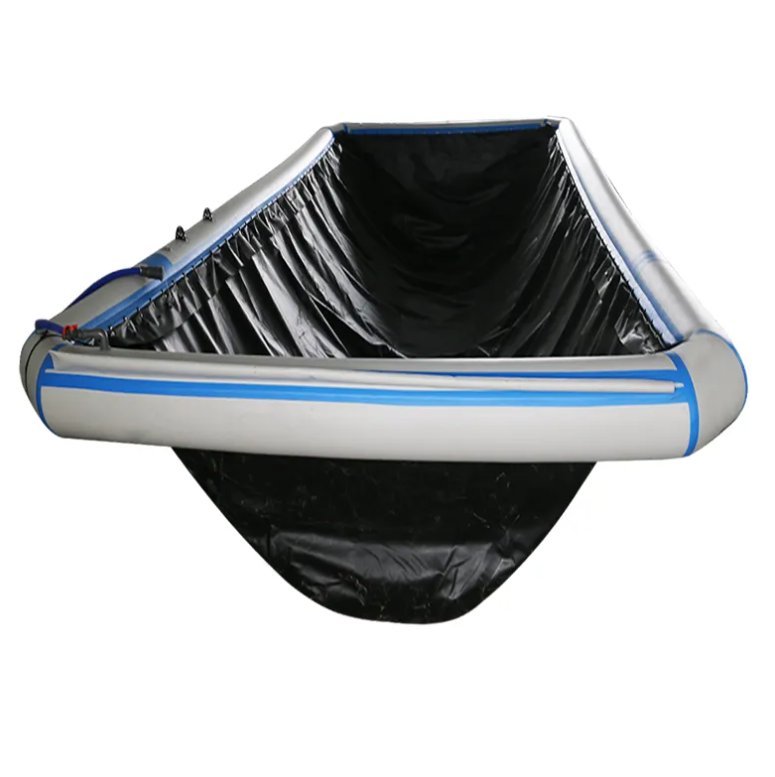
Real marina operation cases reveal losses from substandard floating docks
Many coastal marina managers and private waterfront property holders share costly operational troubles after installing uncertified, low-quality floating docks for ship mooring. A regional bay marina purchased generic thin-material floating platforms five years ago to cut initial procurement expenditure. Within one year of daily wave impact and saltwater erosion, large-area air leakage appeared on dock surfaces, and unstrengthened side edges cracked during ship docking collisions. Staff spent extra working hours inflating the docks every morning and repairing cracked seams weekly, while dozens of moored yachts sustained deep hull scratches from rough, uneven dock surfaces, triggering continuous compensation claims from yacht owners. Another luxury lakeside villa owner bought cheap spliced docks without complete load testing; the platform tilted severely under medium-sized boat weight and partially sank after heavy rainfall, forcing temporary mooring suspension and expensive emergency replacement. These real long-term waterfront operation records fully prove that unreliable docking facilities generate repeated hidden repair and vessel damage losses that far exceed the upfront price gap of standard qualified docks.
Core structural and material advantages of qualified ship docking platforms
Truly reliable ship floating docks rely on industrial-grade raw materials and mature integrated structural craftsmanship to cope with complex marine working environments year-round. High-standard docking platforms adopt thickened tensile-resistant PVC composite cloth matched with drop-stitch material technology, forming uniform load-bearing layers that evenly disperse ship weight and wave impact force. Multi-layer hot air welding sealing technology eliminates tiny air leakage points existing in simple glue-bonded cheap docks, maintaining stable buoyancy for years without frequent supplementary inflation. Reinforced thickened edge wrapping and full surface anti-slip grain treatment solve two common hidden dangers, including edge tearing and crew slipping during boarding. Raw material production strictly adds anti-ultraviolet and anti-salt corrosion additives, resisting fading, embrittlement, and surface powdering under long-term coastal sunlight and seawater soaking, a core material advantage that thin, unprocessed, low-cost cloth cannot match.
Global marine facility certification standards set authoritative evaluation rules
Unified international marine leisure equipment safety specifications release clear mandatory testing standards for all ship floating docks, providing a credible authoritative judgment basis for marina operators and global procurement buyers. EU CE and REACH marine product norms set strict limits on harmful chemical precipitation of dock raw materials, prohibiting toxic components that pollute lake and seawater environments. United States ASTM floating facility standards outline fixed load-bearing static pressure and seventy-two-hour continuous airtight aging testing items, which all qualified docking platforms must fully pass before shipment. Independent third-party institutions including SGS and TUV carry out full factory audits and finished product sampling inspections, issuing official certification documents as market access credentials for Europe, North America, and Oceania. Senior marine infrastructure engineering experts publish industry papers pointing out that docks without complete third-party certification cannot guarantee stable safety performance under long-term wave alternating impact.
Long-term vessel protection value brought by stable, reliable docks
A fully certified stable floating dock delivers lasting protective effects on moored ships and yachts that cannot be replaced by inferior untested platforms. The balanced flexible buffer structure formed by qualified inflatable docks softens collision impact during docking and undocking, eliminating hard friction scratches between rigid concrete or thin plastic docks and ship hull paint layers. Continuous smooth anti-scratch contact surfaces reduce annual hull polishing and touch-up paint costs for yacht owners significantly. Modular combined design freely adjusts overall size and shape according to local water level fluctuation rules of bays, lakes, and inland reservoirs, maintaining consistent flat boarding height no matter seasonal water rise or fall. Reinforced connection lock pieces prevent displacement and separation between dock modules under storm wave surges, avoiding ship hull abrasion caused by loose drifting platform edges.
Comprehensive economic benefits of long service life standard docking equipment
Investing in fully reliable certified floating docks creates measurable cumulative economic advantages throughout the whole equipment service cycle for commercial marinas and private waterfront projects. Industrial anti-corrosion, UV-resistant raw materials extend dock service life multiple times compared with cheap thin cloth alternatives, drastically cutting full-set platform replacement frequency and large-scale reinstallation construction costs. Stable airtight sealing and integrated reinforced structure lower weekly maintenance labor input, removing repeated seam repair and daily inflation supplementary work. Yacht hull scratch compensation expenses from dock-related accidents drop to nearly zero, eliminating unexpected operating loss risks for marina operators. Calculation based on multi-year marina operation data shows the extra initial investment on standard reliable docks can be fully recovered within two years through saved maintenance, vessel repair, and accident compensation expenditure, forming stable long-term profit space for marine operation projects.
Integrated inflatable equipment manufacturing strength supplies qualified ship dock solutions
Stable mass supply of fully certified long service life ship floating docks relies on complete independent research and development and standardized large-scale production capacity. Higher holds thirteen years of inflatable water sports equipment manufacturing experience with a twelve-member professional R&D team responsible for dock structural optimization, raw material formula adjustment, and modular splicing scheme design. The factory operates standardized production workshops with a monthly output range of three thousand to five thousand finished units, supporting full OEM ODM customization covering size, thickness, logo printing, and exclusive shape development. All floating dock products complete SGS, TUV, CE, REACH, and ASTM full item testing before delivery, with complete certification files provided for customs clearance and local marine safety inspection across thirty-eight global countries. Integrated one-stop service integrates customized drawing confirmation, sample production, mass manufacturing, and global after-sales technical guidance, continuously supplying reliable mooring dock solutions for coastal marinas, lake resorts, and luxury waterfront villa projects worldwide.
Table of Contents
- Real marina operation cases reveal losses from substandard floating docks
- Core structural and material advantages of qualified ship docking platforms
- Global marine facility certification standards set authoritative evaluation rules
- Long-term vessel protection value brought by stable, reliable docks
- Comprehensive economic benefits of long service life standard docking equipment
- Integrated inflatable equipment manufacturing strength supplies qualified ship dock solutions