 EN

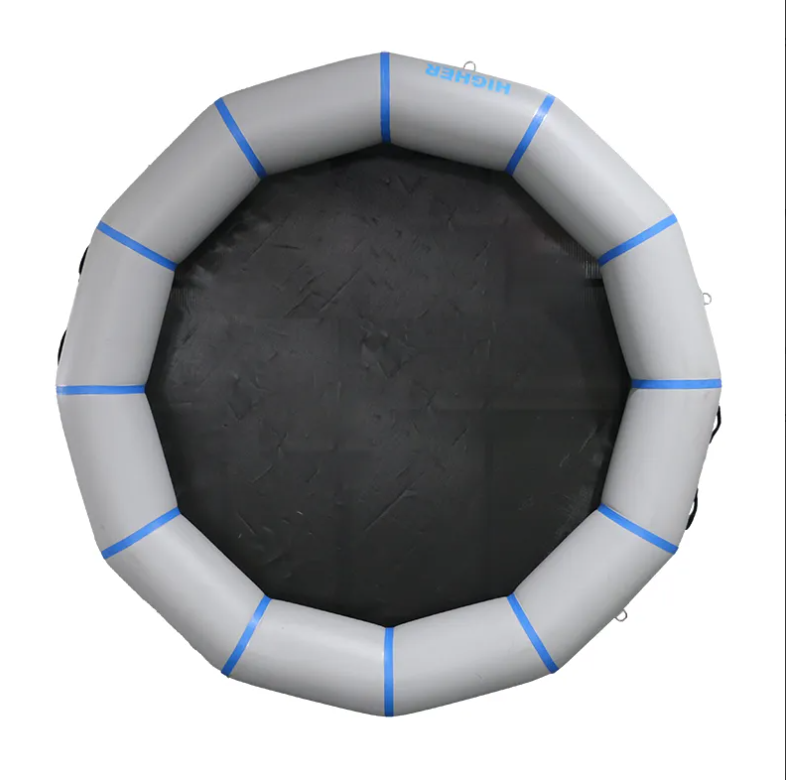
Why an Inflatable Water Mat Is the Ultimate Summer Play Solution
An inflatable water mat transforms any backyard into a splash-ready playground—offering cooling fun and active play for the whole family. Unlike bulky slides or pools, this flat, water-covered surface invites unlimited running, sliding, and tumbling while keeping everyone safely close to the ground. Its lightweight design sets up in minutes under a garden hose, making it ideal for spontaneous afternoons or planned gatherings. The soft, cushioned material absorbs impact, reducing scrapes and bruises common with harder play equipment. For parents seeking a budget-friendly, low-hassle way to keep kids entertained without sacrificing safety, an inflatable water mat delivers consistent joy all summer long. Its compact footprint fits even small yards, and it deflates quickly for easy storage. By combining physical exercise with the irresistible appeal of water play, it encourages hours of laughter and movement—creating lasting memories without the expense or complexity of a full water park setup.
Safety Essentials for Families Using an Inflatable Water Mat
Ensuring safety is paramount when enjoying an inflatable water mat. Proper supervision and setup significantly reduce risks, allowing families to focus on fun. This section outlines critical practices to create a secure environment.
Supervision Best Practices and Age-Appropriate Usage Guidelines
Active adult supervision is non-negotiable for water play. Follow these guidelines to prevent accidents:
- Assign a dedicated water watcher: Rotate supervising adults every 15–20 minutes to maintain vigilance.
- Separate age groups: Keep toddlers in shallow areas away from older children’s active play zones.
- Establish clear rules: Enforce “no running” and “no diving” policies consistently.
- Use the buddy system: Pair younger children with older siblings or responsible peers.
Children under 6 require constant touch supervision near water. Flotation devices are not substitutes for direct oversight. For mixed-age groups, consider scheduled play times to avoid collisions between different activity levels.
Surface Selection, Traction, and Setup Fundamentals to Prevent Slips and Injuries
Proper placement directly impacts stability. Always choose flat, debris-free surfaces away from sharp objects. Grass provides natural cushioning but requires inspection for hidden rocks or sprinkler heads. Concrete or deck installations demand specialized non-slip padding extending at least 4 feet around the perimeter.
According to industry safety data, 68% of water mat injuries involve slips on transition zones (National Playground Safety Institute, 2023). Combat this by:
- Selecting mats with textured, grip-enhanced surfaces
- Installing ASTM F1487-compliant safety padding at entry/exit points
- Maintaining firm inflation (test by pressing—it should rebound immediately)
- Anchoring securely with manufacturer-recommended stakes or sandbags
Wind speeds over 15 mph necessitate deflation. Regularly check anchor points during use, especially when children are jumping near the edges. These precautions create stable play areas while minimizing fall impact.
How to Choose the Right Inflatable Water Mat for Your Needs
Selecting the ideal inflatable water mat starts with understanding how your family plans to use it. The mat’s size, weight capacity, and material durability directly affect safety and enjoyment—so matching these specs to your household size and activity level is essential.
Matching size, weight capacity, and material durability to family size and activity level
For a small family with young children, a compact mat (roughly 6 by 10 feet) offers enough space for lounging and gentle play while staying manageable to inflate and store. Larger families or groups of teens will need a bigger surface (10 by 18 feet or more) to spread out comfortably. Weight capacity matters, too: a mat rated for 800 pounds can typically hold four to six adults—but if you plan to run, jump, or stack toys, choose a model with a higher limit to avoid overstressing the material. Durability hinges on PVC thickness; mats made with 0.6mm to 0.8mm drop-stitch fabric resist punctures far better than thinner variants, especially on warm days when the material becomes more pliable.
Key features that boost longevity and performance: UV resistance, valve type, and seam construction
To get many seasons of use, look for three construction details. First, UV-resistant coatings prevent vinyl degradation under constant sun exposure—a mat without this protection may become brittle within two summers. Second, a high-quality Boston valve (with a threaded cap) seals tightly and allows rapid inflation and deflation, while cheaper click-style valves often leak air over time. Third, welded seams—heat-fused rather than glued—offer superior strength and reduce the risk of seam separation under heavy use. Investing in a mat with these features upfront saves money and frustration, ensuring your inflatable water mat remains a reliable summer centerpiece for years.
Getting the Most Out of Your Inflatable Water Mat: Setup, Maintenance & Storage Tips
Proper setup begins with selecting a debris-free, level surface and ensuring stable anchoring—especially on hard or windy terrain. Inflate to the manufacturer’s specified pressure: overinflation strains seams, while underinflation reduces stability and buoyancy. After each use, rinse thoroughly with fresh water to remove contaminants like salt, sand, or chlorine that degrade material integrity. Air-dry completely before storage to prevent mold; research shows mats dried within 4 hours of use have 30% longer lifespans (Inflatable Recreation Safety Council, 2025). For repairs, use vinyl patch kits immediately on punctures to avoid tear progression.
Storage Best Practices
| Factor | Ideal Condition | Risk of Non-Compliance |
|---|---|---|
| Temperature | Cool (50–75°F / 10–24°C) | Material brittleness |
| Light Exposure | Dark location | UV degradation |
| Folding Method | Loose, non-creased folds | Permanent stress marks |
Fold gently without sharp bends and store in breathable containers—away from heat sources and pests. Seasonal inspections of valves and seams catch wear early; address minor issues before they compromise safety. These protocols maximize your inflatable water mat’s durability through multiple summers of aquatic fun.
FAQ
What is the primary benefit of using an inflatable water mat?
Inflatable water mats offer a safe, budget-friendly way to enjoy water play without the complexity or cost of pools or water slides. They are easy to set up and provide cushion for safe activity, making them ideal for families.
Is adult supervision required while using an inflatable water mat?
Yes, active adult supervision is essential to ensure safety and prevent accidents when children are playing on an inflatable water mat.
How can I maximize the lifespan of my inflatable water mat?
Proper maintenance, including rinsing after use, allowing it to fully dry, storing in cool, dark conditions, and performing seasonal inspections, can significantly extend the life of your inflatable water mat.
What size water mat is best for a small family?
A compact mat around 6 by 10 feet is perfect for small families, offering enough space for lounging and gentle play while being easy to store.
How do I safely anchor an inflatable water mat?
Use manufacturer-recommended stakes or sandbags to securely anchor the water mat, especially in windy conditions, and routinely check these anchor points during use.