 EN

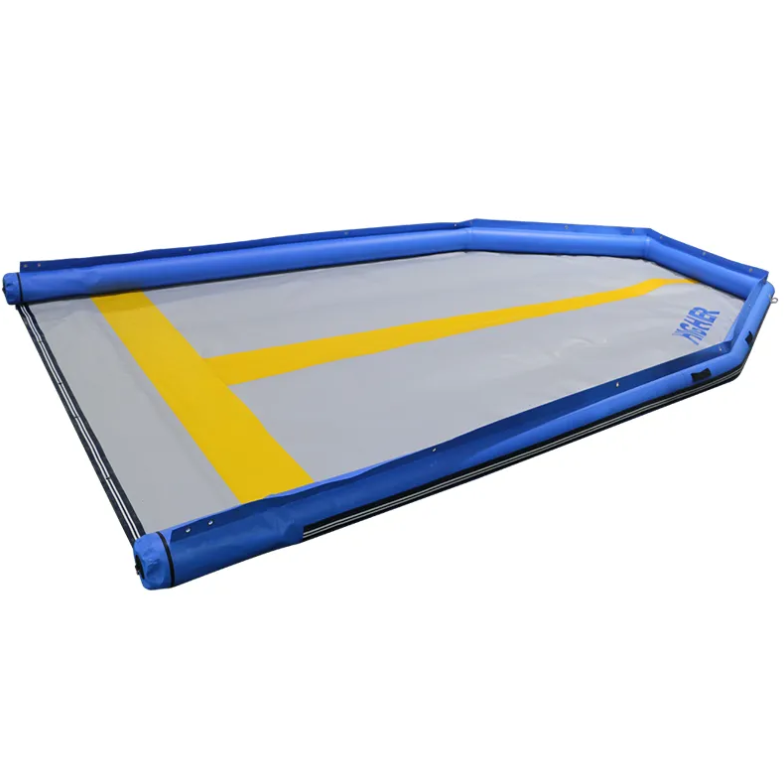
Boat Dry Dock Fundamentals: Types, Functions, and Core Requirements
A boat dry dock is a specialized structure that lifts vessels out of the water for maintenance, repair, or storage. The two primary types are fixed and floating dry docks. Fixed dry docks are permanent installations anchored to the seabed with concrete or steel foundations—offering unmatched stability for heavy-duty work but requiring consistent water levels. Floating dry docks use buoyant chambers that submerge to receive a vessel and then rise to lift it clear of the water, making them ideal for locations with significant tidal variation.
Regardless of type, all dry docks must satisfy three core requirements:
- Structural integrity sufficient to support maximum vessel weight plus equipment loads;
- Reliable lifting or drainage systems, whether hydraulic, pneumatic, or gravity-based;
- Corrosion-resistant materials, such as marine-grade steel, aluminum, or galvanized components, engineered for long-term exposure to saltwater and humidity.
Selection hinges on site-specific factors—including tidal range, vessel size and frequency of use—and directly impacts operational safety, efficiency, and service life.
Site Assessment and Regulatory Compliance for Boat Dry Dock Installation
Proper site assessment and regulatory compliance form the bedrock of any successful boat dry dock installation. Overlooking these stages risks structural compromise, environmental violations, or costly delays. A rigorous evaluation of physical conditions—paired with proactive engagement of permitting authorities—ensures both legal authorization and long-term operational viability.
Evaluating Shoreline Stability, Tidal Range, and Substrate Load-Bearing Capacity
Shoreline stability is non-negotiable: eroding or shifting banks undermine foundation integrity. Geotechnical surveys assess soil composition, bearing capacity, and settlement potential—determining whether shallow footings suffice or deep pilings or soil nailing are required. Tidal range analysis establishes optimal dock elevation to avoid high-tide submersion or low-tide grounding. In dynamic coastal environments, wave energy, scour potential, and sediment transport patterns further inform design resilience. Load calculations must include not only vessel displacement but also dynamic forces from cranes, winches, and personnel movement. Sites with weak substrates often demand mitigation strategies—such as vibro-compaction or grouting—that influence schedule and budget.
Navigating Local Zoning Laws, EPA Guidelines, and Maritime Permitting Requirements
Installation triggers multiple regulatory touchpoints. Local zoning ordinances govern setbacks, height limits, and allowable uses—particularly where shoreline access intersects residential or conservation zones. EPA compliance centers on stormwater management (e.g., silt fences, oil-water separators), spill prevention plans, and protection of sensitive habitats like seagrass beds or shellfish grounds. Federal oversight typically includes a U.S. Army Corps of Engineers Section 404 permit for dredging or fill in navigable waters, alongside potential National Pollutant Discharge Elimination System (NPDES) coverage. Early coordination with municipal planning departments, state environmental agencies, and maritime authorities helps identify constraints before fabrication begins—reducing the risk of redesigns or enforcement actions. Final operational approval requires documented evidence of adherence to all applicable codes and permits.
Selecting and Configuring Key Boat Dry Dock Components
A boat dry dock’s performance and longevity depend on the precise selection and integration of mechanical and structural subsystems. Crane/winch systems and cradle design are especially critical—governing lifting safety, hull protection, and adaptability across vessel classes.
Crane and Winch Systems: Lifting Capacity, Safety Standards, and Integration
Lifting capacity must exceed the heaviest vessel’s displacement by a minimum 25% safety margin—typically ranging from 10 to 50 tons for small-to-medium facilities and up to 100+ tons for commercial marinas. Systems must comply with ASME B30.8 (floating docks) or B30.16 (cranes) standards, mandating overload protection, emergency stop functionality, and certified load testing. Integration with a centralized control system enables synchronized operation of multiple winches, preventing torsional stress during lift. Marine-rated electrical enclosures, corrosion-resistant hydraulics, and sealed gearboxes ensure reliability in humid, saline environments. Cable alignment between winch drums and cradle attachment points is essential to prevent uneven loading, premature wear, or slippage.
Cradle Design: Material Durability, Hull Protection, and Custom vs. Modular Options
Cradles bear direct contact with the hull—making material choice and interface design vital. Galvanized steel provides superior strength and longevity in saltwater settings; aluminum offers weight savings and natural corrosion resistance where structural loads permit. All contact surfaces require resilient padding—typically EPDM rubber or polyurethane—to distribute pressure, absorb vibration, and eliminate abrasion. Adjustable keel blocks and side supports accommodate varying deadrise angles and hull contours, reducing localized stress. Custom cradles deliver exact fit and optimal load distribution for dedicated fleets but carry higher upfront cost and zero flexibility. Modular cradles use interchangeable components to serve diverse hull forms—ideal for public or multi-vessel facilities—though they require diligent calibration and periodic inspection of fasteners and padding integrity.
Step-by-Step Boat Dry Dock Configuration Workflow
Phased Implementation: Survey → Fabrication → Assembly → Commissioning
A disciplined, sequential workflow minimizes risk and aligns project execution with operational needs.
- Survey: A full geospatial and geotechnical site survey captures tidal datums, substrate profiles, existing utilities, and environmental constraints—forming the basis for engineering specifications.
- Fabrication: Components are precision-manufactured to match surveyed conditions and vessel data—e.g., cradle dimensions calibrated to hull molds, winch torque ratings aligned with worst-case load scenarios.
- Assembly: On-site installation follows strict sequencing: foundation setting, support block placement, cradle anchoring, and winch/control integration—each stage verified before proceeding.
- Commissioning: Final validation includes no-load functional tests, incremental load trials (up to 125% rated capacity), emergency stop response checks, and documentation of all inspections and certifications. This phase confirms readiness for safe, code-compliant operations—and often coincides with peak seasonal demand for dry docking services.
FAQ
What is a boat dry dock? A boat dry dock is a structure used to lift vessels out of the water for repair, maintenance, or storage.
What are the main types of boat dry docks? The two primary types are fixed dry docks, which are stationary and anchored to the seabed, and floating dry docks, which use buoyant chambers for flexibility.
Why is regulatory compliance important for installation? Regulatory compliance ensures the installation is legal, safe, and environmentally responsible, minimizing risks of violation or structural failure.
What is essential when choosing dry dock components? Key considerations include the lifting capacity of crane and winch systems and the durability and adaptability of cradle designs.
How is a dry dock project executed? The project involves four phases: surveying, fabrication, assembly, and commissioning to ensure safe and efficient operations.