 EN

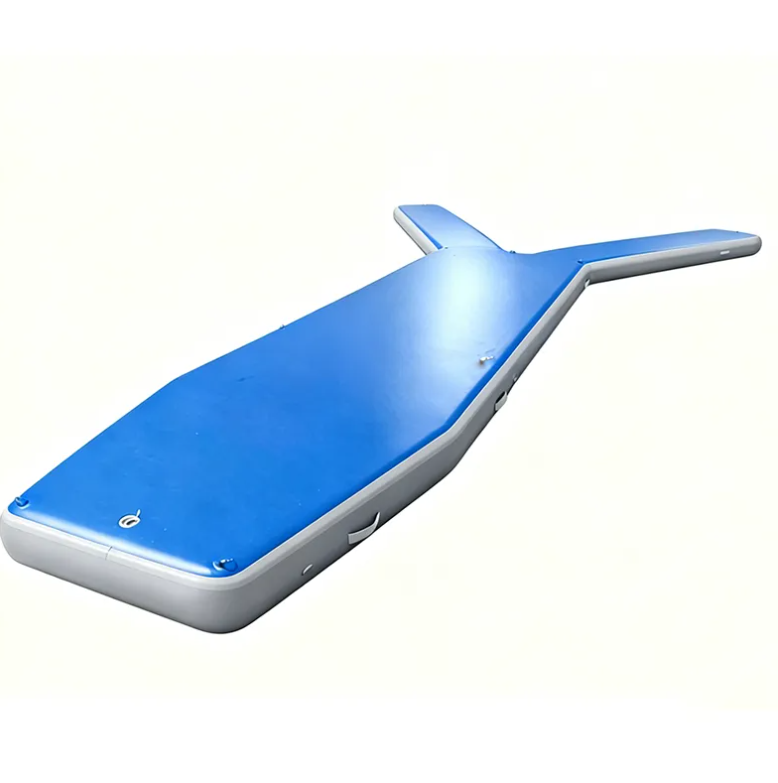
Adaptable Structure Fits Dynamic Water Level Environments
An inflatable dock floating platform stands out from rigid concrete or metal pontoons by automatically adjusting elevation alongside fluctuating water levels, a critical trait for lakes, tidal coastal zones and seasonal reservoir waters. Fixed docks lock into a single vertical position, creating steep access gaps when water recedes or submerging walking surfaces during flood surges. Drop-stitch internal weaving enables uniform air distribution across the entire platform surface, so weight loads spread evenly without localized sinking or tilting.
A coastal resort project in Florida demonstrated this practical advantage during hurricane season. The property previously installed a permanent aluminum dock that required seasonal manual height adjustments and suffered collision damage from shifting floating debris. After switching to modular inflatable dock floating platform units, zero structural repairs were needed through three consecutive storm cycles. The flexible air-filled body absorbed wave impact, and integrated anchor points held the assembly steady even under 11-knot wind conditions.
Low Barriers to Installation Without Heavy Civil Construction
Traditional permanent water platforms demand dredging, pile driving and concrete foundation pouring, all of which rely on heavy construction machinery and multi-week work timelines. Inflatable floating assemblies eliminate ground excavation entirely, cutting site preparation labor and regulatory permit hurdles for temporary or private waterfront setups.
- Standard assembly kits arrive folded inside compact shipping bags, with no oversized transport loads or specialized lifting equipment required.
- Full deployment takes two workers less than 90 minutes using an electric air pump, including securing stainless steel D-rings to shore anchors.
- Temporary setups can be fully disassembled and relocated within hours, ideal for seasonal rental businesses or event-only water venues.
| Platform Type | Pre-Install Construction Time | Heavy Machinery Required | On-Site Labor Cost (USD) | Ecological Site Disruption |
|---|---|---|---|---|
| Concrete Fixed Dock | 14–28 days | Excavators, pile drivers | 6,800–12,500 | High, sediment dredging damages aquatic habitats |
| Aluminum Modular Pontoon | 3–7 days | Forklift, crane | 2,200–4,100 | Moderate, permanent seabed anchoring |
| Inflatable Dock Floating Platform | 1–2 hours | None | 180–450 | Minimal, no seabed penetration |
Data from QYResearch 2025 water infrastructure survey confirms inflatable floating structures reduce upfront site labor expenses by roughly 93% compared to full concrete dock builds.
Multi-Scenario Versatility Supports Commercial and Private Use Cases
Material formulation and modular interlocking design expand usable scenarios far beyond simple boat docking. Standard drop-stitch PVC panels integrate detachable accessories to shift functional layouts quickly without permanent modification.
Commercial operators repurpose single platforms into jet ski staging zones, floating yoga decks, resort guest sunbathing islands and temporary swim enclosures with protective net barriers. Private waterfront owners combine multiple connected modules to build extended lounge spaces, fishing staging areas and small-scale boat maintenance work surfaces.
Material compliance with EN 15649 and ASTM F2374 standards removes market entry limits for cross-border resale, as the two core benchmarks cover mechanical stability, chemical safety and load-bearing performance for global recreational water products.
Durable Material Engineering Reduces Long-Term Replacement Cycles
Military-grade laminated PVC with reinforced drop-stitch threads delivers consistent tensile strength against UV radiation, saltwater corrosion and sharp underwater debris. Single air chamber failure will not sink the full platform, as segmented independent air cells retain partial buoyancy to support safe evacuation, a mandatory safety clause within EU CE certification testing protocols.
Constant exposure to brackish or saltwater accelerates degradation on solid metal and wooden docks, with annual anti-rust coating or wood sealant reapplication adding recurring operational costs. Inflatable variants only require occasional surface rinsing to remove salt residue, with no mandatory chemical treatment cycles for material preservation.
Compact Storage and Global Logistics Efficiency
Rigid metal and concrete docks occupy massive permanent storage space during off-season months, while an inflatable dock floating platform deflates and folds down to a volume 85% smaller than its fully inflated dimensions. Stackable folded units cut ocean shipping container space consumption drastically, lowering per-unit freight expenses for bulk wholesale orders distributed across multiple regions.
Warehouse operators managing seasonal water sports inventory report 70% less storage footprint when switching from solid pontoon stock to inflatable floating dock inventory, translating to reduced monthly facility rental overhead for large-scale distributors.
Clear Limitations to Account for During Planning
Inflatable floating platforms carry inherent functional boundaries that demand upfront planning for long-term site operation, with three core constraints that cannot be eliminated through design tweaks.
First, maximum load capacity caps out at roughly 1,100 kg per standard 3m x 2m unit, restricting heavy industrial equipment placement that solid concrete docks can safely support. Second, continuous exposure to jagged rock shorelines increases puncture risk, requiring supplementary protective edge bumpers for rocky lake or coastal deployment. Third, constant high-speed current above 2.2 m/s creates sustained pulling force that demands reinforced multi-point anchoring systems to prevent assembly drift.
These limitations do not negate the platform’s core value for recreational and light commercial water applications, but accurate site condition mapping ensures appropriate accessory matching during order planning.
A manufacturer with more than a decade of inflatable water goods production delivers consistent drop-stitch structural quality and full international certification compliance for bulk and custom orders alike. In-house mold development and standardized batch inspection workflows maintain uniform dimensional stability across every shipment sent to global water sports distributors.
Table of Contents
- Adaptable Structure Fits Dynamic Water Level Environments
- Low Barriers to Installation Without Heavy Civil Construction
- Multi-Scenario Versatility Supports Commercial and Private Use Cases
- Durable Material Engineering Reduces Long-Term Replacement Cycles
- Compact Storage and Global Logistics Efficiency
- Clear Limitations to Account for During Planning