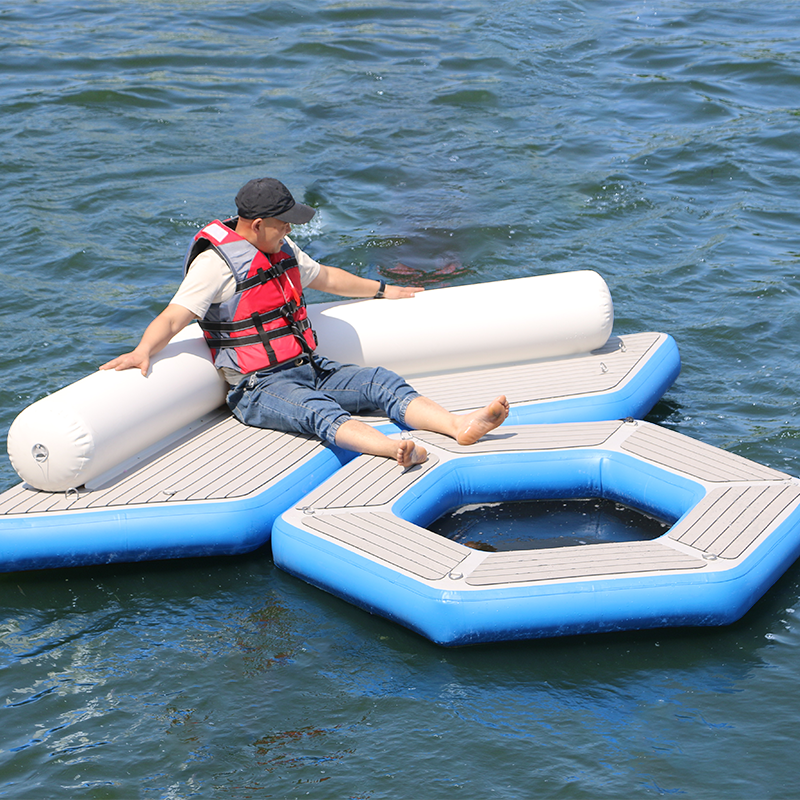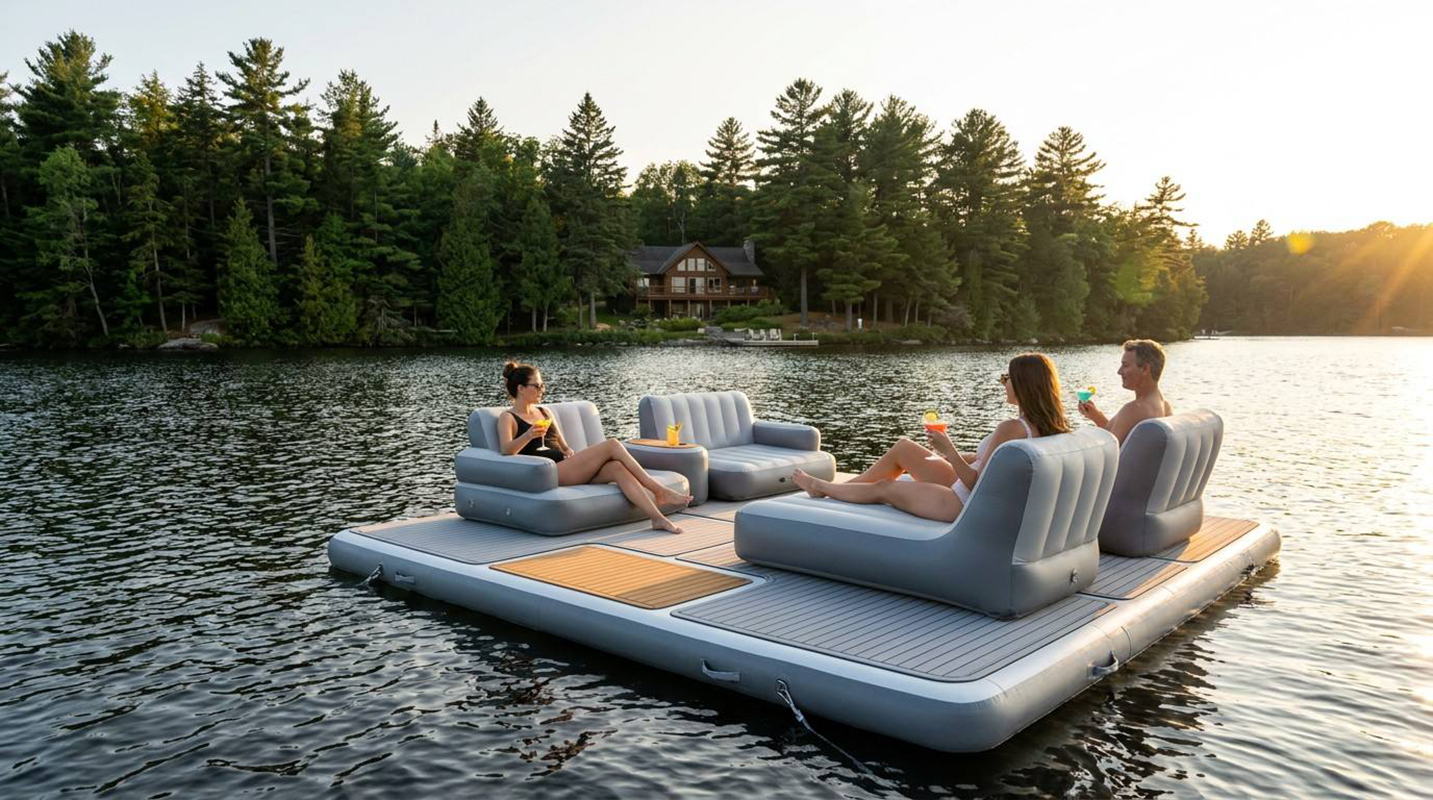
Waterfront operators are increasingly evaluating their water space as an operating asset rather than a fixed amenity. A platform that supports boarding in the morning, guest relaxation in the afternoon, and a protected activity zone during a special event can create more value than a single-purpose installation.
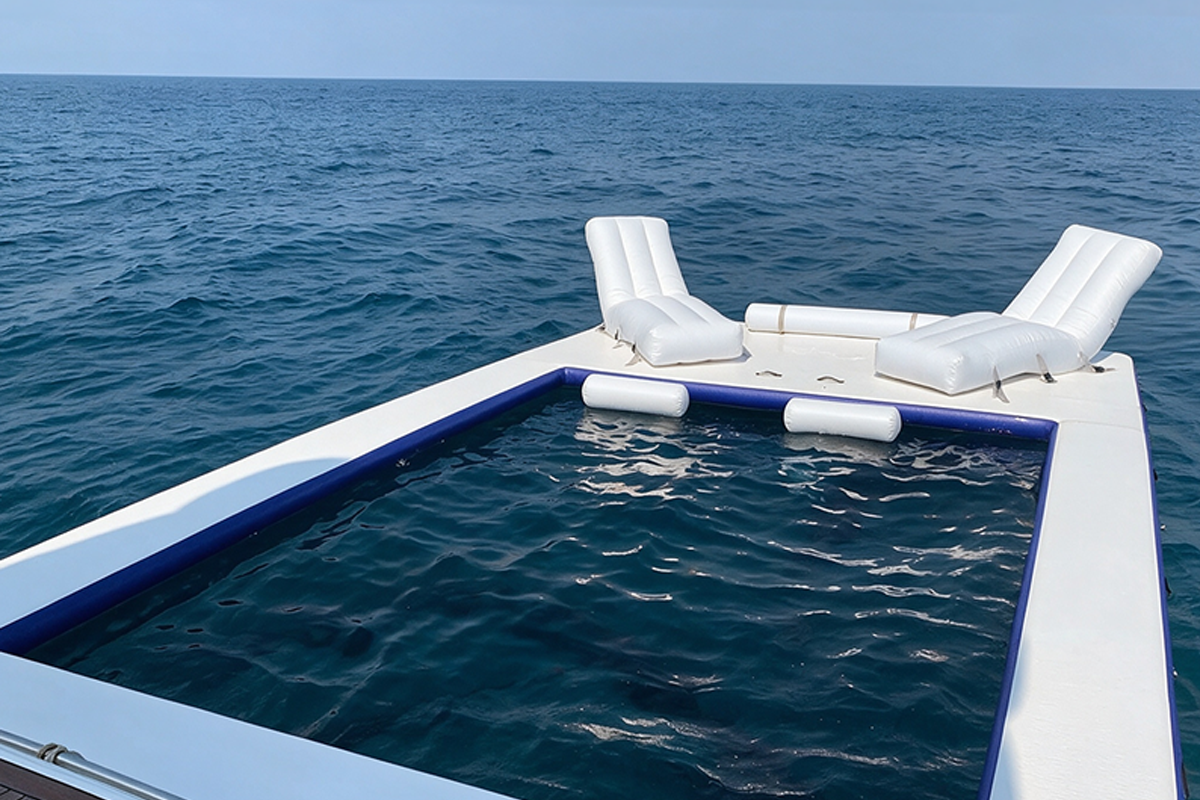
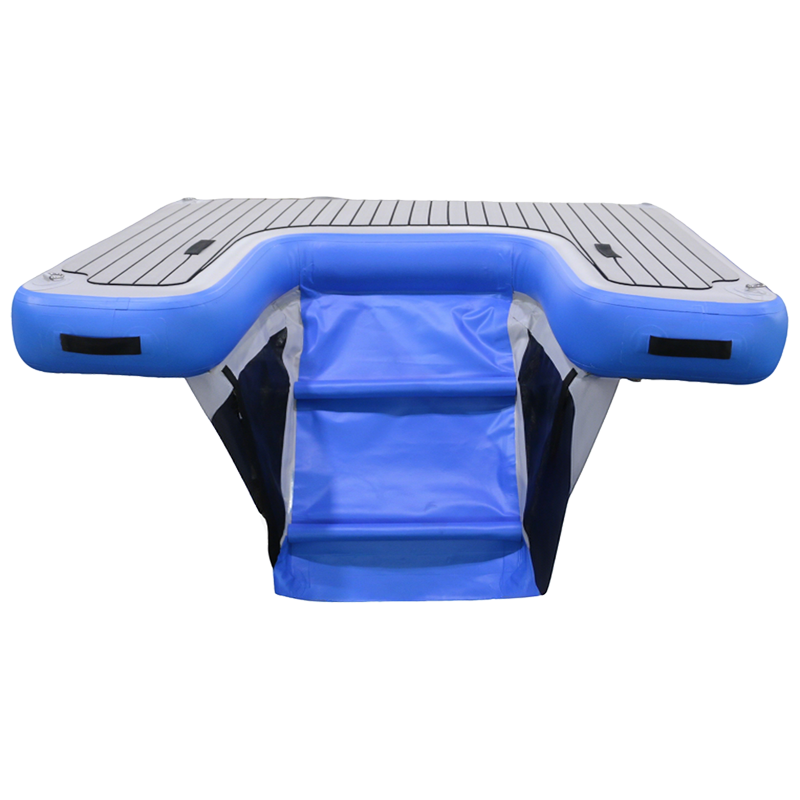
The purchasing conversation is shifting from “Which inflatable should we buy?” to “How should the water area work?” For a marina, yacht club, resort, or waterfront project, a practical layout may combine a boarding platform, a leisure area, a protected swimming zone, and access for watercraft or service staff.
This approach requires buyers to consider guest flow, site conditions, anchoring, storage, supervision, maintenance access, and the way each element connects with the next. It also creates opportunities for distributors and project suppliers to build solution-based product programs rather than relying on one seasonal SKU.
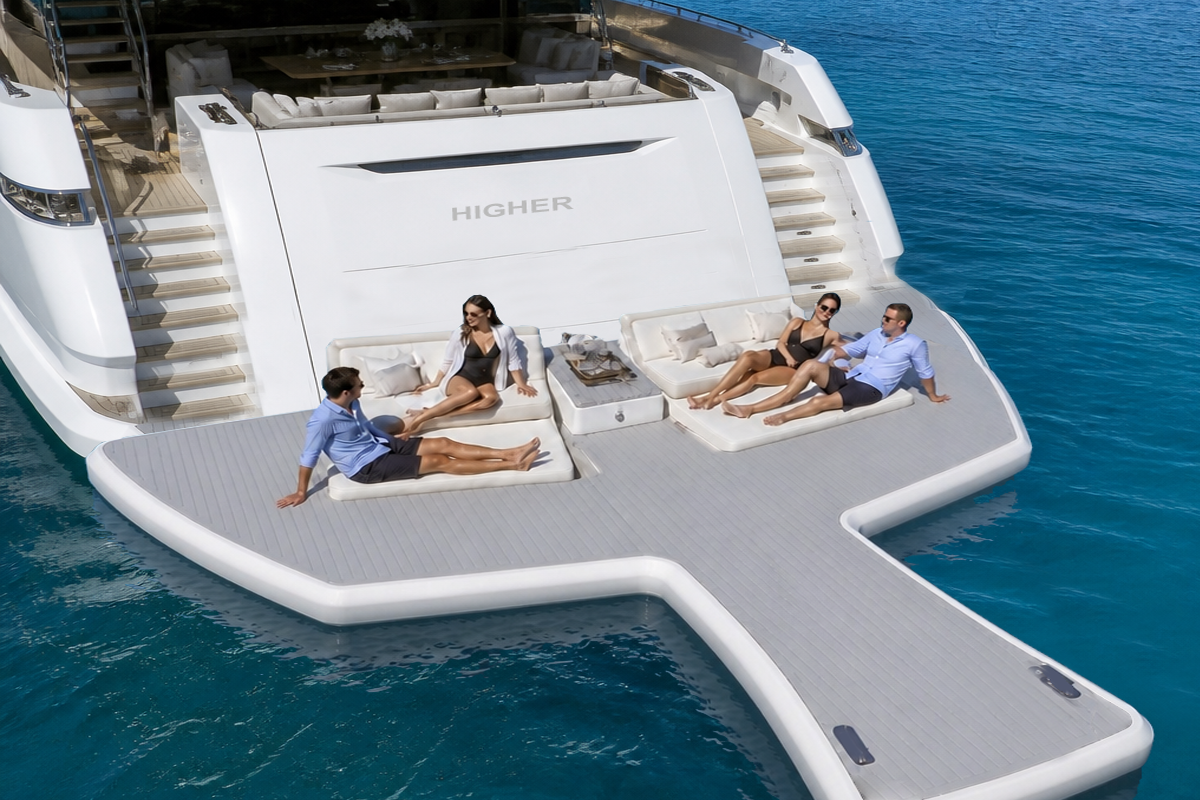
Inflatable platforms can be especially useful where operators need seasonal deployment, flexible layouts, or a compact off-season storage plan. A portable system does not remove the need for site planning; it makes planning more important. Operators still need to define intended use, user numbers, water conditions, connection points, access routes, and daily inspection responsibilities.
For commercial buyers, the right configuration starts with the operating scenario—not a catalog image. A leisure-focused water zone may prioritize guest circulation and comfort. A yacht-side setup may prioritize boarding space and vessel compatibility. A rental or event setup may prioritize repeatable installation and clear operating boundaries.
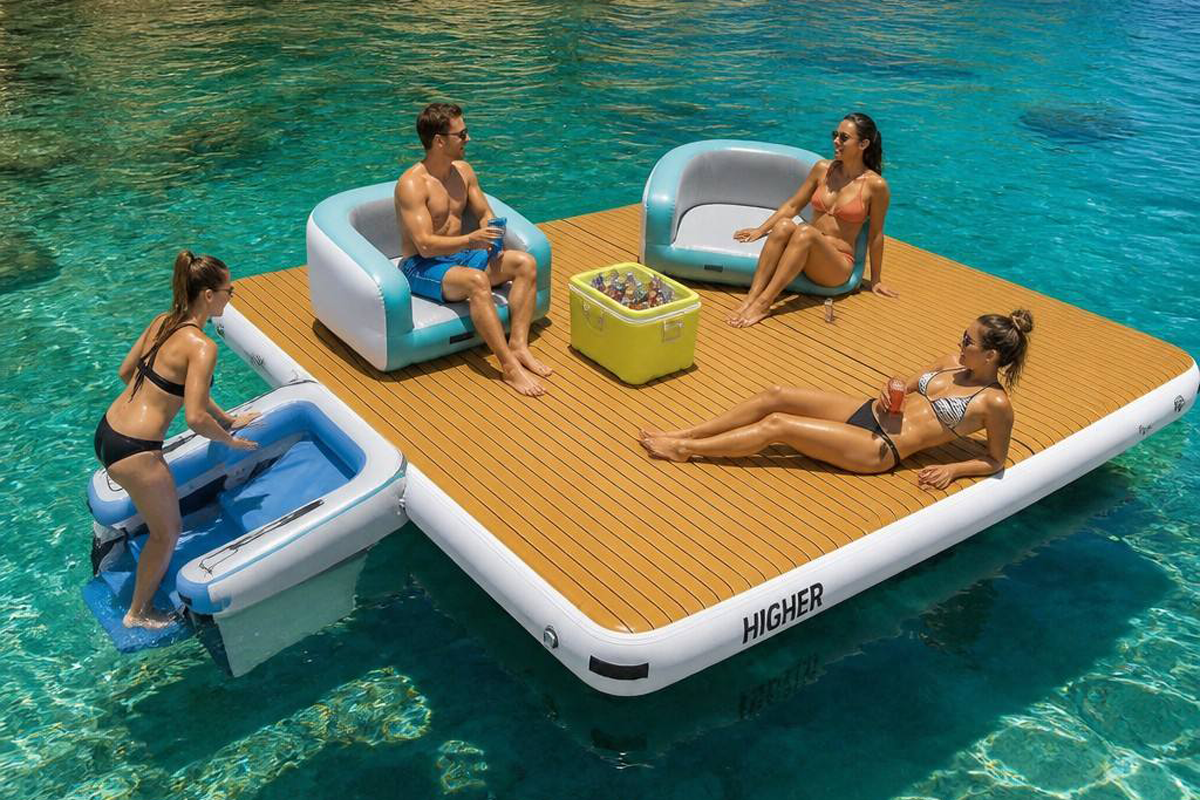
Before selecting products, project teams should document the following:
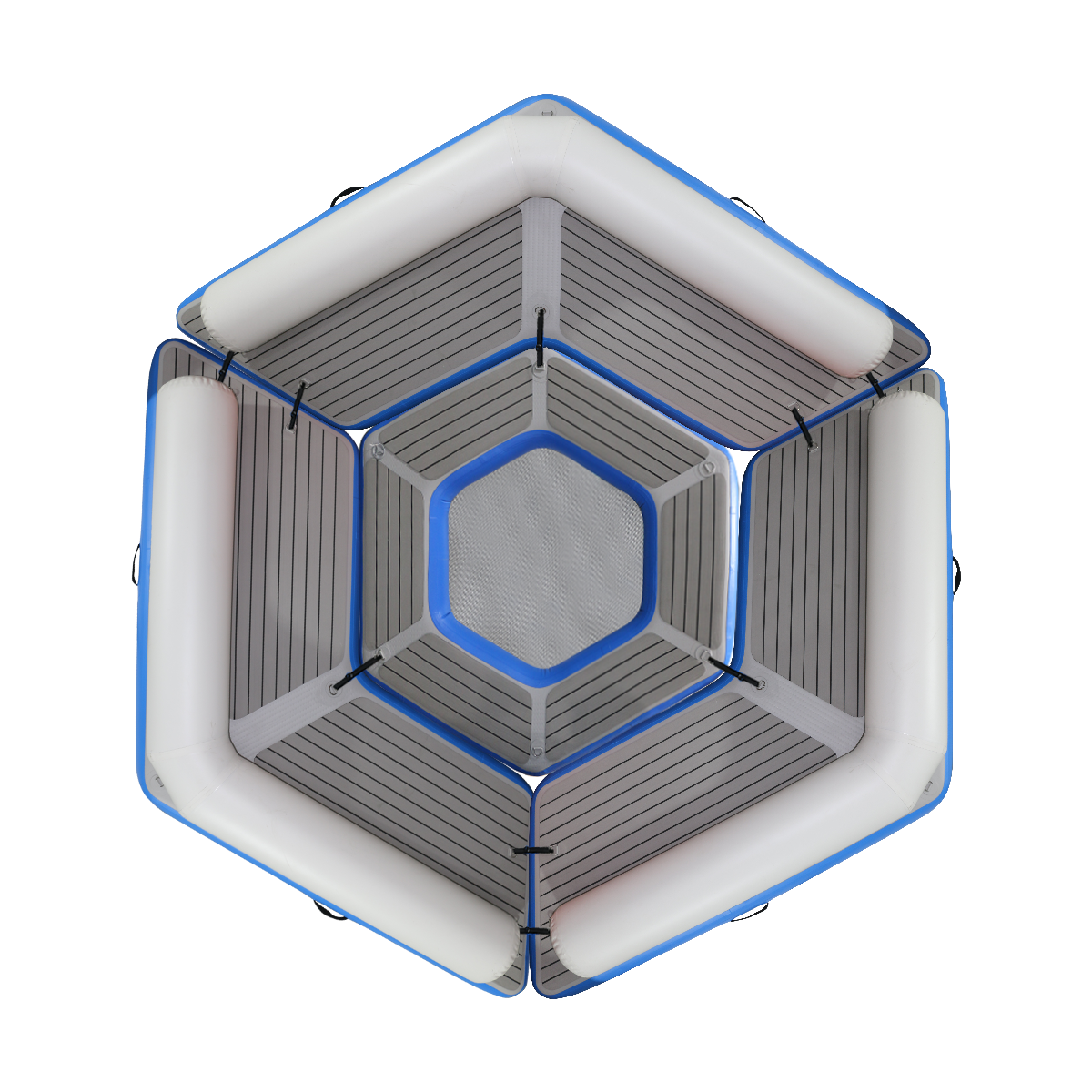
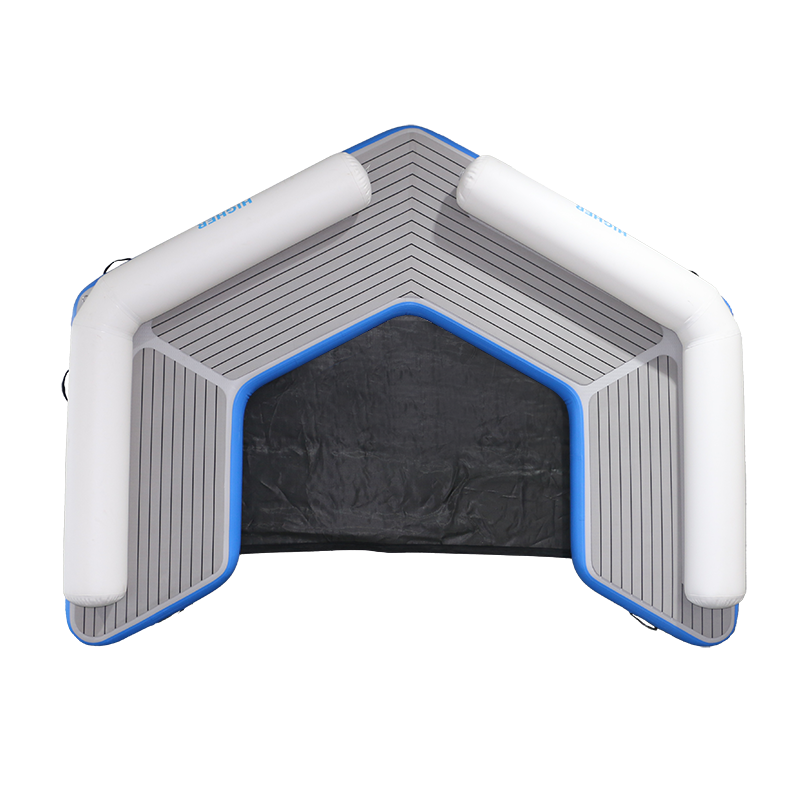
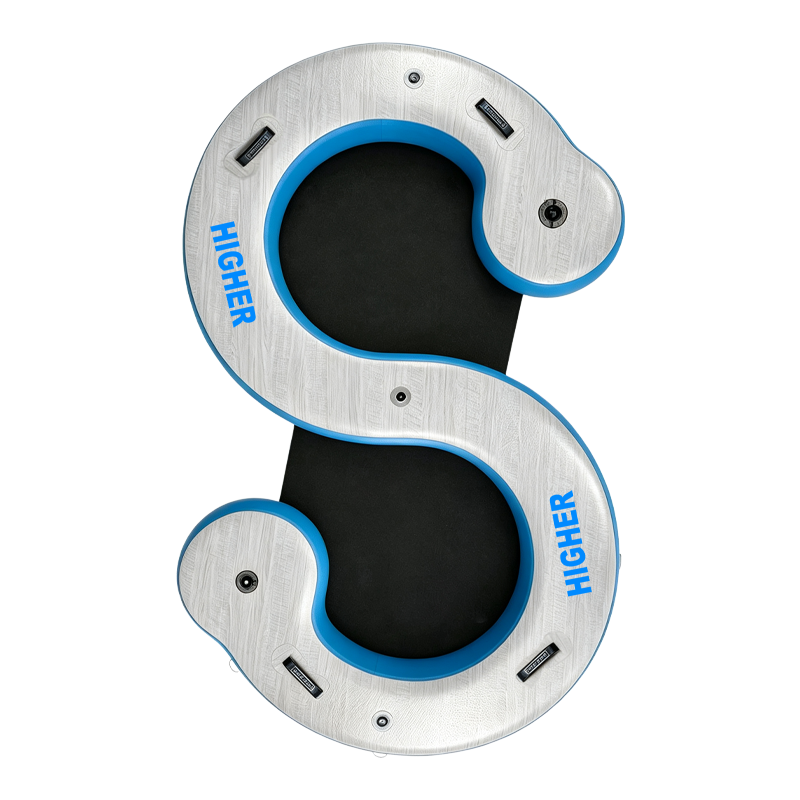
HIGHER works with B2B partners on inflatable water mats, floating docks, sea pools, and related marine leisure products. For a project-oriented quotation, share the site conditions, intended layout, target user group, and required delivery timeline.

 EN

 Hot News