Published by HIGHER SPORT | Process News
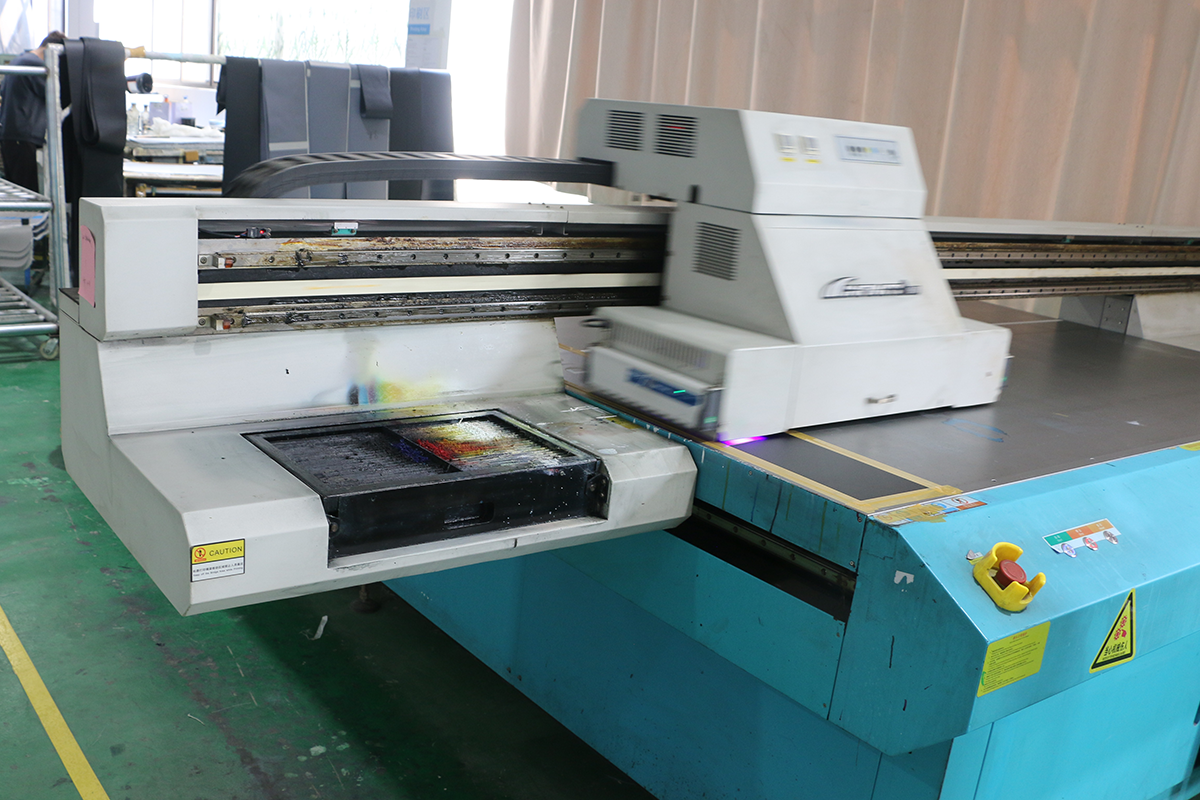
When a commercial-grade inflatable dock arrives at a marina, the first thing guests see is not the Drop-stitch core or the welded seams — it is the logo. For OEM and wholesale buyers, that mark carries brand identity through years of sun exposure, salt spray, heavy use, and hundreds of inflation cycles. On an inflatable product, printing is a durability decision as much as a visual one.
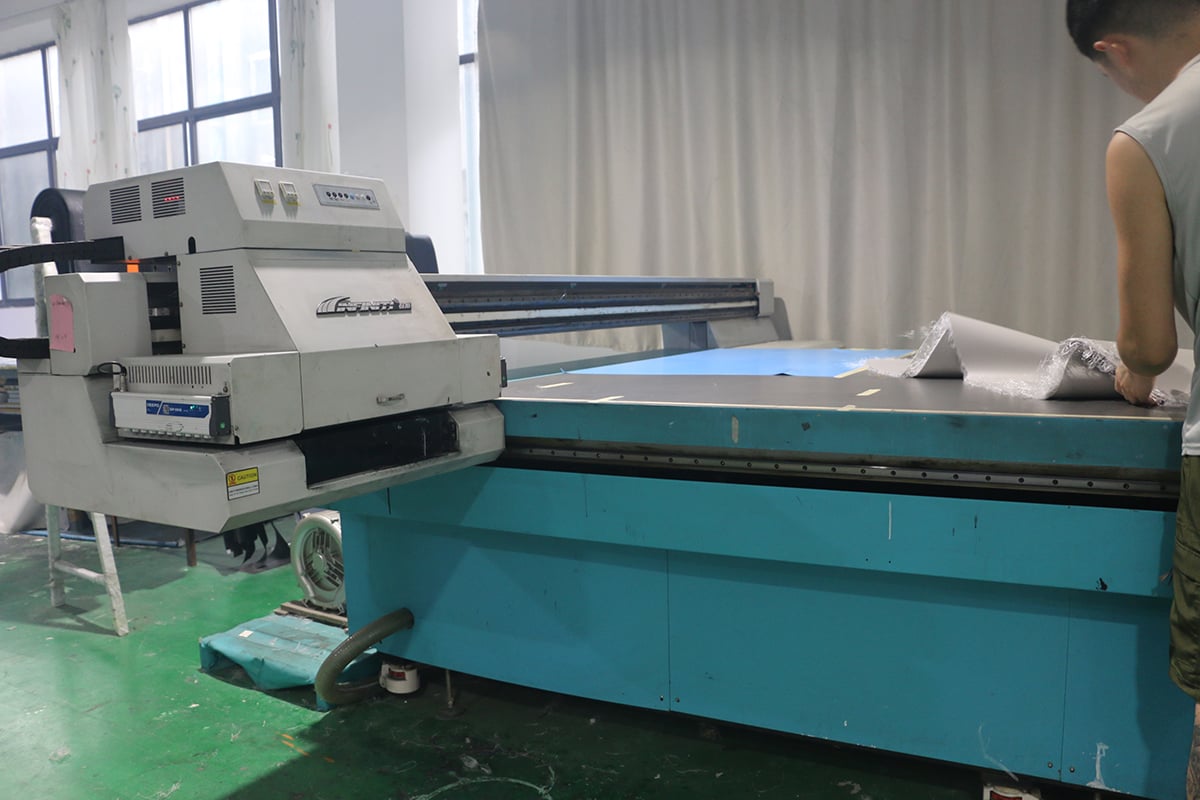
At HIGHER, we print logos and graphics on inflatable floating docks, swim platforms, packrafts, and kayaks every day. With 13 years of manufacturing experience and an in-house printing team, we work extensively with the two mainstream technologies: silk screen printing and UV printing. Both deliver excellent results when matched to the right job — and both have clear trade-offs. Here is how we compare them, and how we help clients choose.
Silk screen printing pushes ink through a fine mesh stencil onto the substrate with a squeegee. Each color requires its own screen, and the ink is laid down in a relatively thick film before curing.
Strengths:
Durability under real abuse.
Consistent, opaque color.
Cost efficiency at scale.
Limitations:
Setup cost and lead time.
Limited detail.
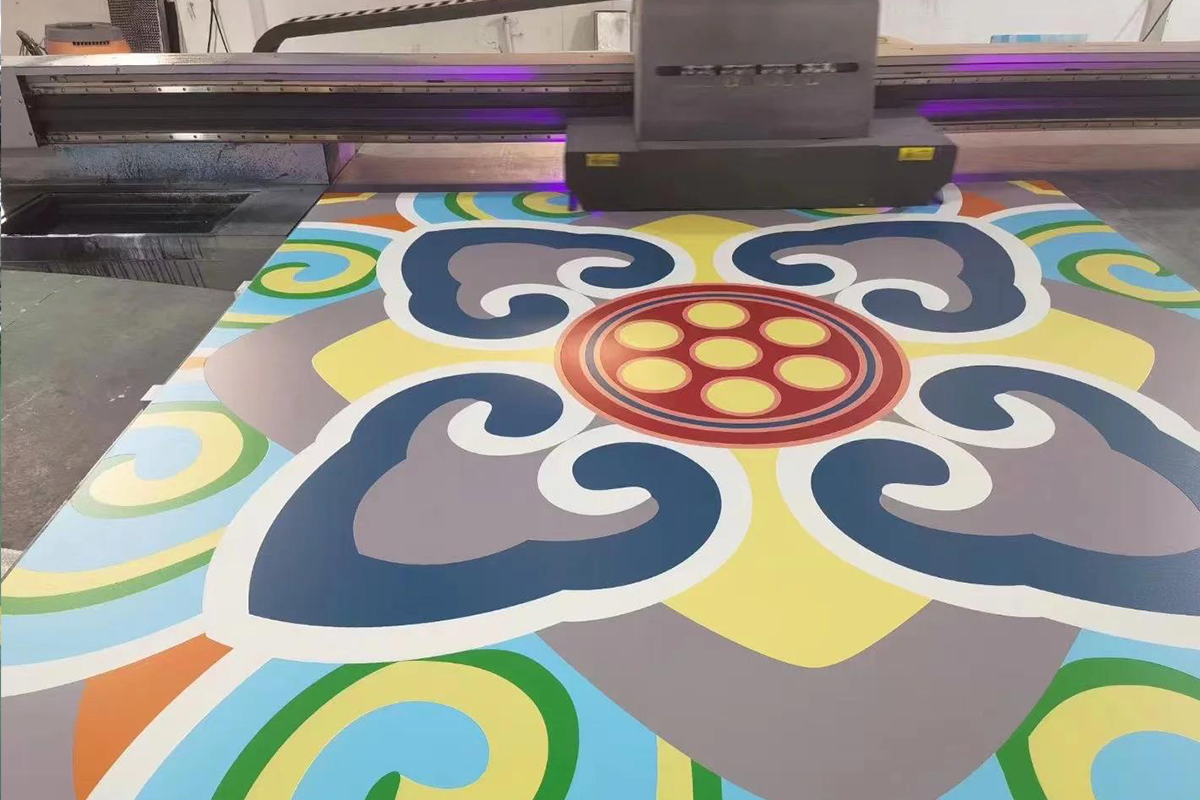
UV printing is a digital inkjet process. Printheads deposit tiny ink droplets that cure instantly under UV light, and the artwork lives as a digital file — no screens, no tooling.
Strengths:
Extreme flexibility.
Full-color capability.
Fast turnaround.
Limitations:
Thinner ink film.
Flexing is the enemy.
Higher cost at volume.
Dark substrates need white ink layers
There is no single "best" technology — only the right match. We weigh four factors with every client:
Run volume.
1. Large runs of a standard logo favor silk screen printing; short runs and samples favor UV printing.
Design complexity.
2. Bold, simple, Pantone-branded marks suit silk screen; photographic or multi-gradient artwork suits UV.
Use environment.
3. Commercial rental docks and marina equipment face constant abrasion, salt water, and UV — durability-first buyers usually choose silk screen printing.
Lead time.
4. When a new design must ship fast, UV printing's tool-free workflow wins.
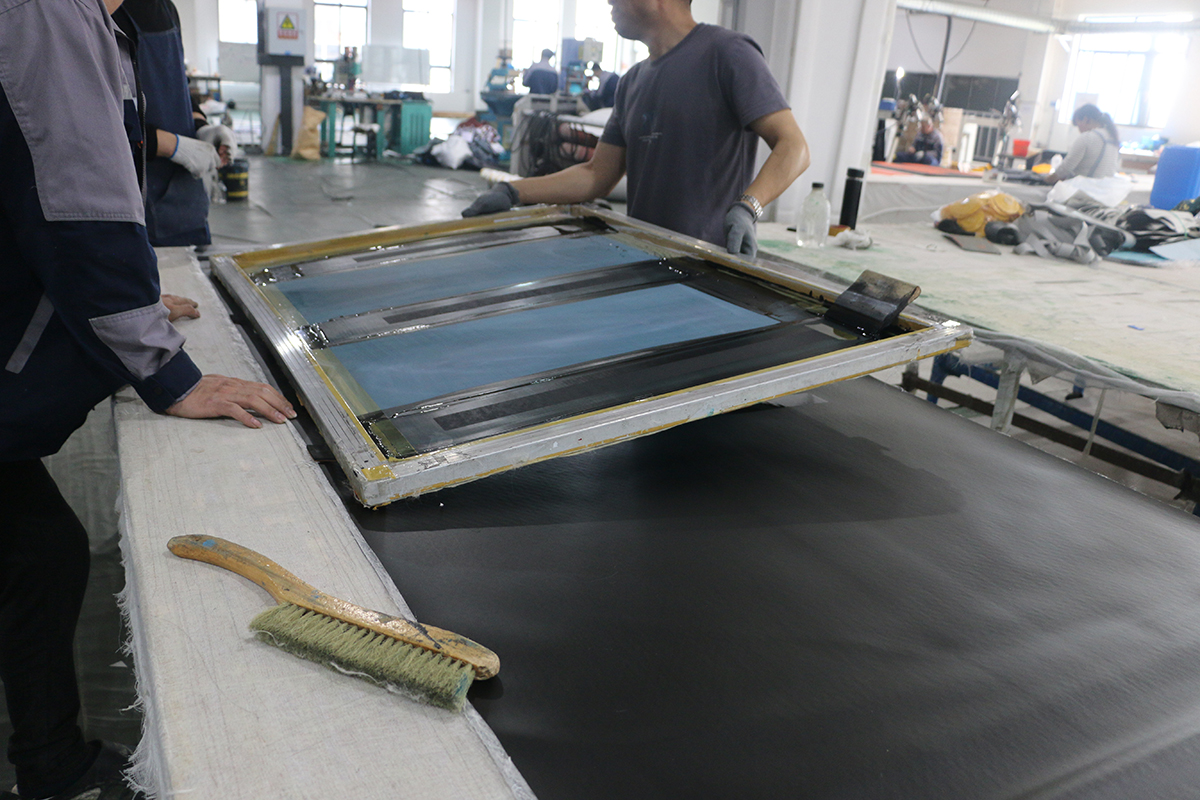
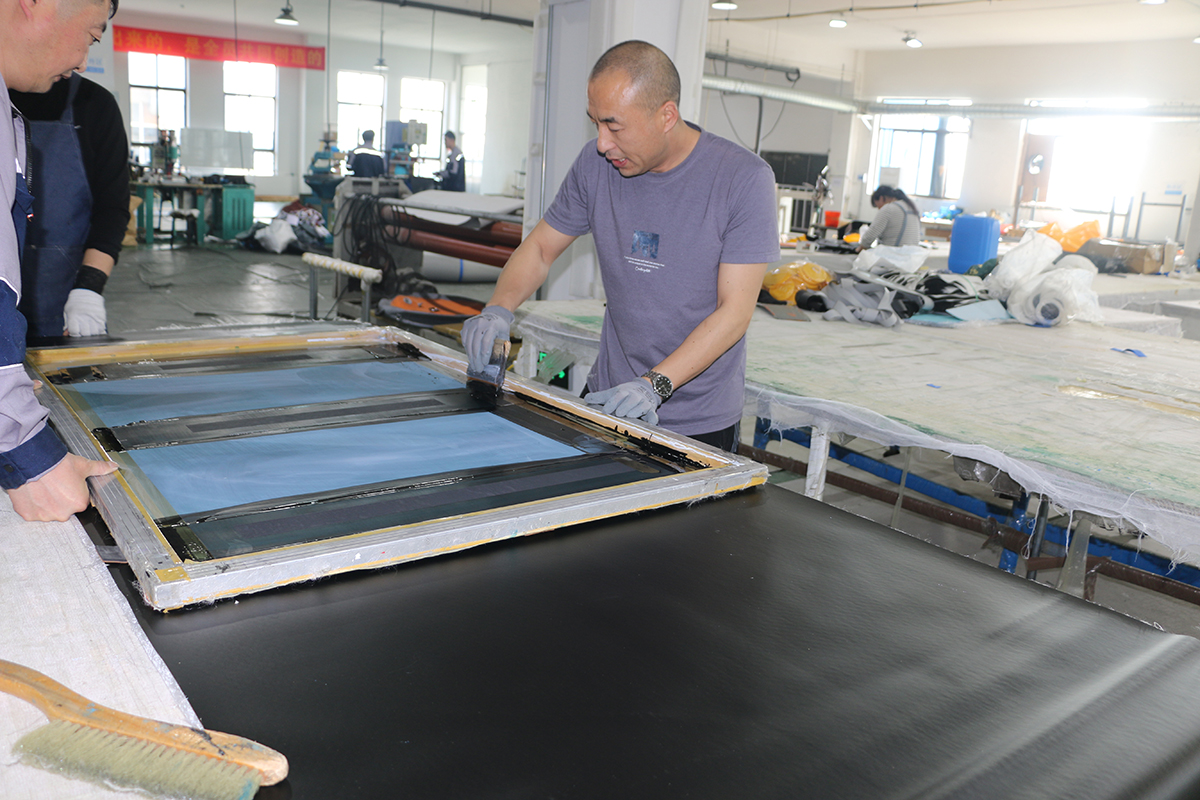
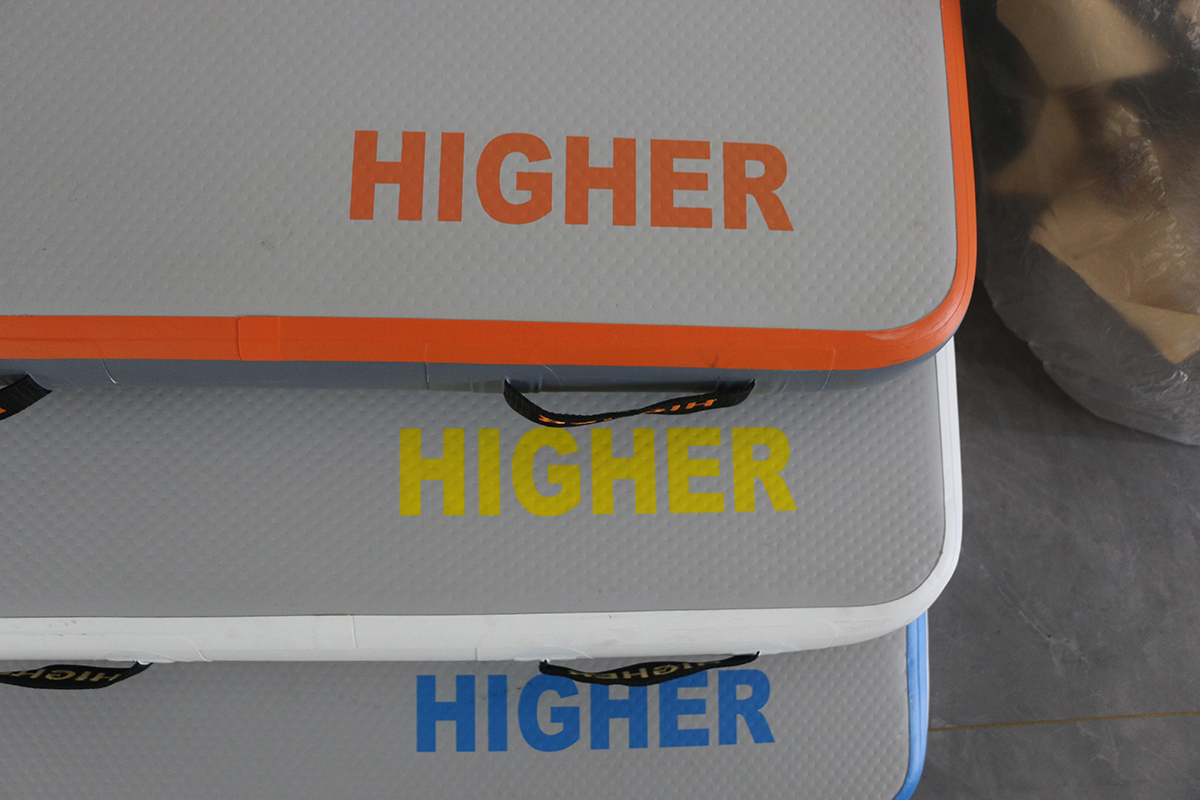
For standard production of our commercial-grade floating docks, swim platforms, and inflatable water mats, we typically recommend silk screen printing for branding that must outlast years of service. The thick, flexible ink film is engineered for Drop-stitch surfaces that flex under load, and every printed unit passes our 48-hour pressure-retention testing before it is packed for shipping.
For custom projects — a one-off club logo, event branding, a prototype, or a limited-edition colorway — UV printing delivers speed and photographic freedom without committing to screen tooling.
Whichever process fits, our engineers will help you protect your brand asset: a print that looks right on day one must still look right after a hundred launches. That is the standard we hold as a Drop-stitch manufacturer and OEM partner.
Need help deciding how to brand your next order of inflatable docks, packrafts, or custom water leisure products? Contact the HIGHER team — we will guide you through materials, ink systems, and artwork preparation from first sample to full container.
 Hot News
2026-09-19
2026-09-18
2026-09-16
 EN
EN