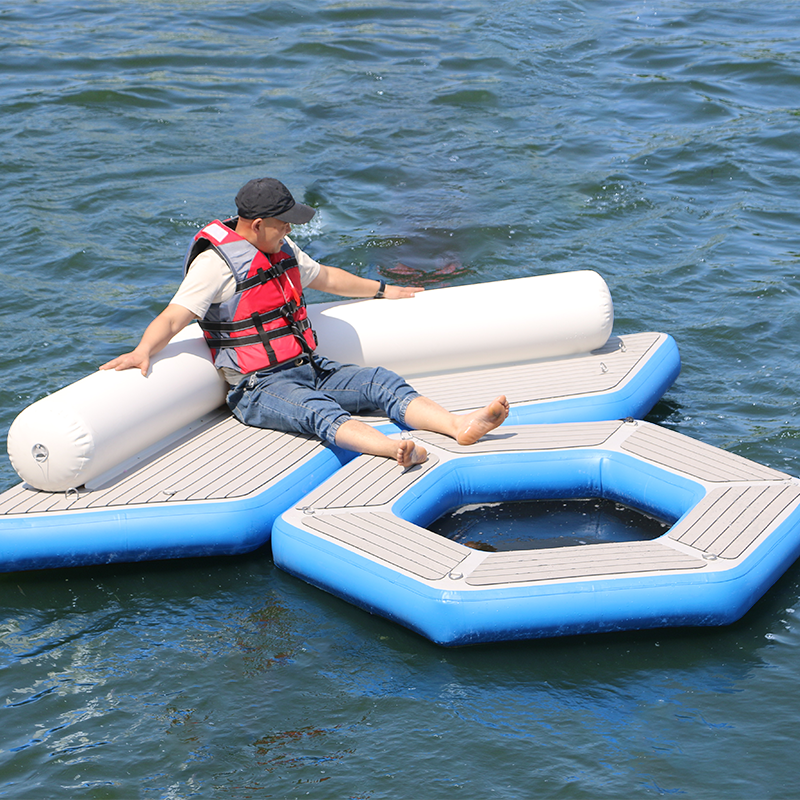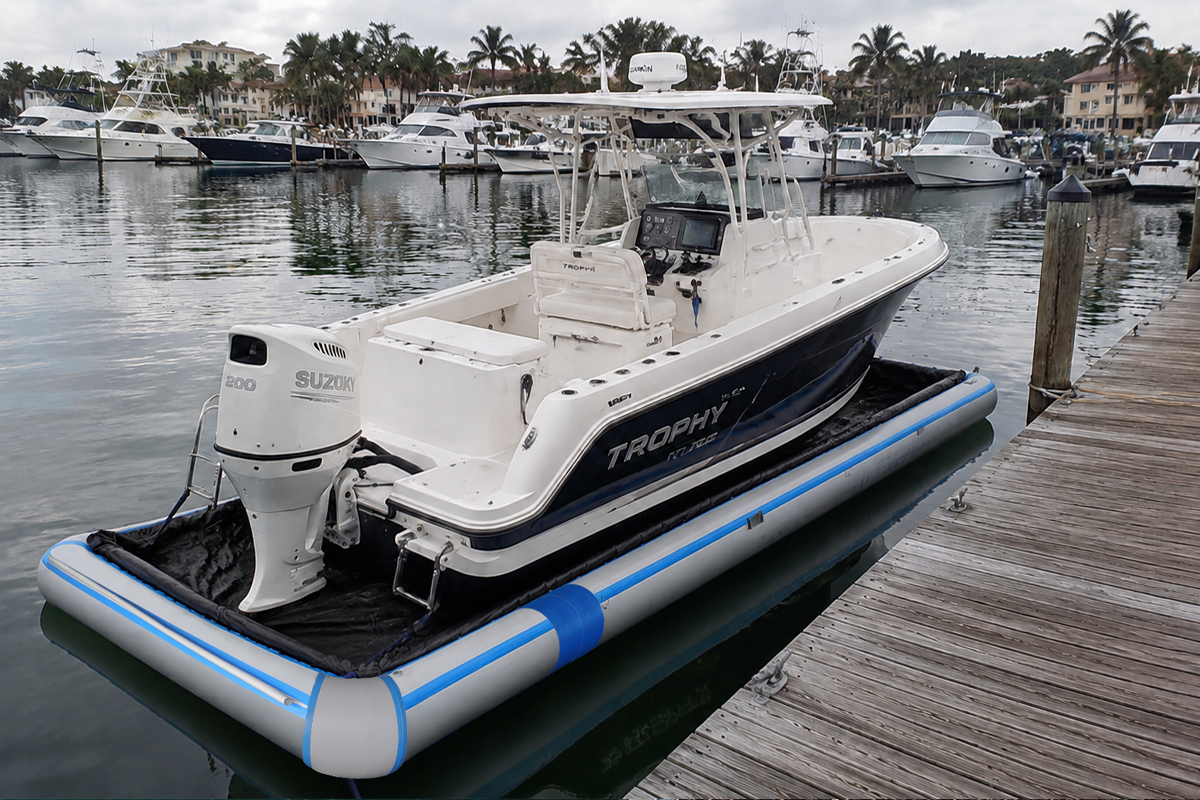
September 28, 2026 — The waterfront industry entered 2026 with steady participation and cautious spending, and that combination is shaping where capital goes. ShoreMaster's State of the Waterfront Industry 2026 report, published in May, frames the market around approximately 85 million U.S. boating participants, roughly 11.8 million registered boats, and an estimated USD 230 billion in annual economic impact — while new boat sales normalized to 8% to 10% lower in 2025.
The report's most useful finding for suppliers is not a growth rate but a behavioral split. Buyers are upgrading existing waterfront setups rather than acquiring new assets, with value redefined around durability, multi-functionality, and ease of maintenance, and pre-owned boats accounting for approximately 80% of annual U.S. unit sales. The money is moving from vessels into the infrastructure around them.
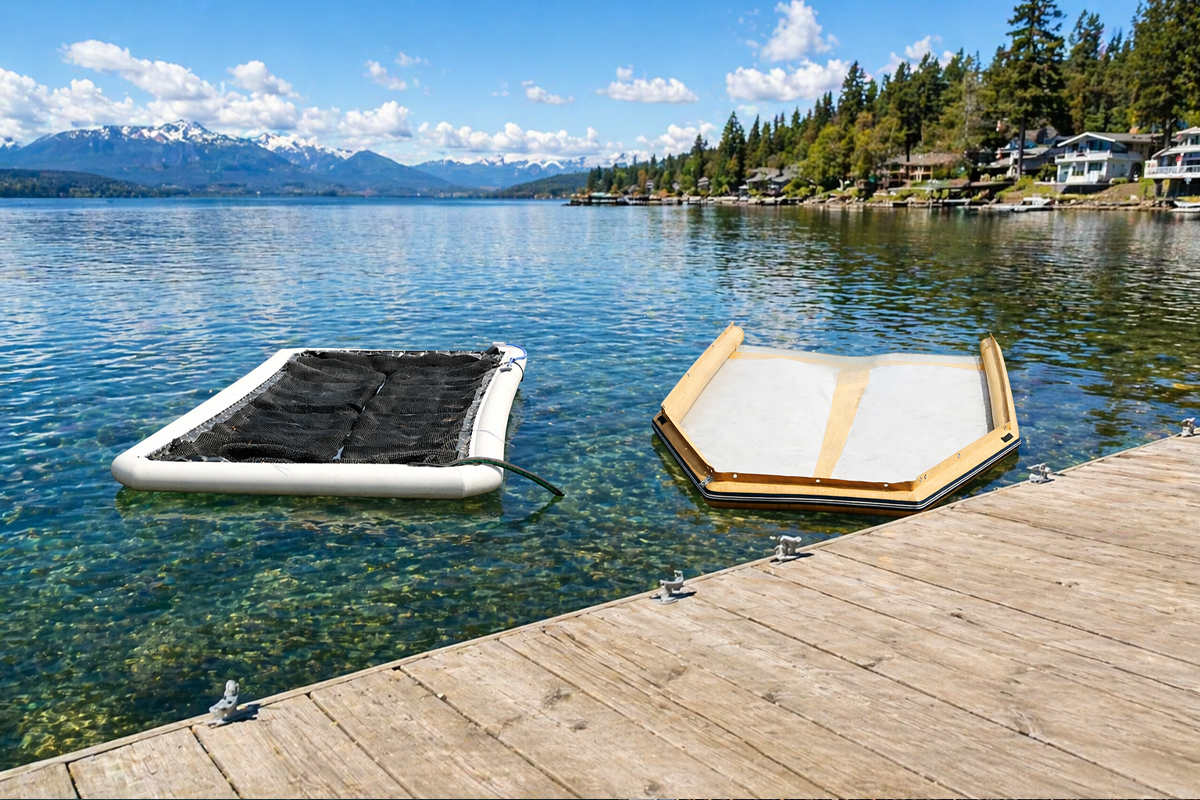
Boat clubs, rentals, and charters are expanding participation without requiring ownership — and every one of those models increases daily demand for each floating dock for boats. The pressure shows up in utilization data: according to the Marina Dock Age annual trends survey cited in the report, over 56% of marinas report occupancy above 95%, even as labor and insurance costs squeeze profitability. High occupancy with thin margins rewards capacity that can be added quickly and removed when it is not paying for itself.
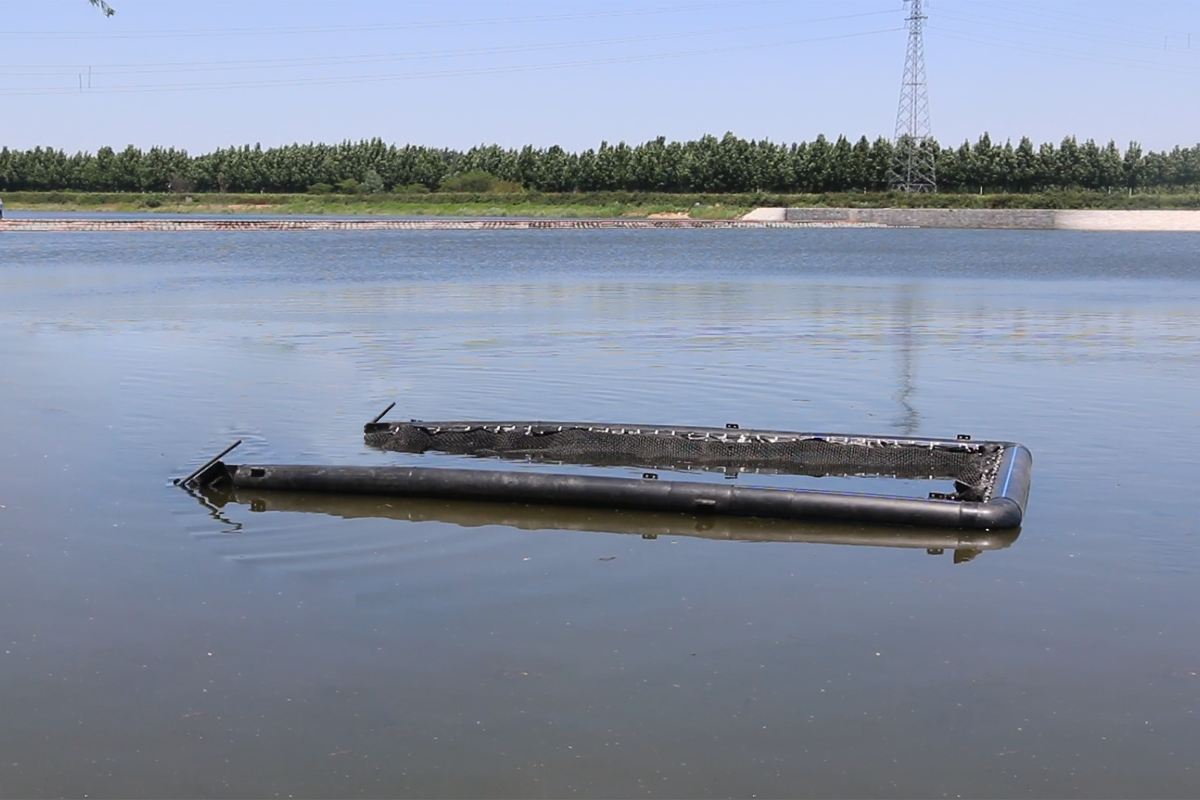
The report identifies a structural move from fixed-pier construction toward adaptable inflatable dock solutions — for three reasons worth planning around.
Reconfiguration. Modular systems allow layouts to change as fleet mix and water levels change, rather than locking a facility into one footprint.
Resilience. Rising sea levels, storm surge, and stricter shoreline regulations are pushing demand toward floating and seasonally disassemblable systems that rise with tides and can be removed ahead of weather.
Deployment speed. The report notes modular designs that reduce installation time by up to 40% — a direct labor-cost advantage for operators short on trained crews. It also flags the regional split for inventory planning: northern markets prioritize systems that are easy to remove or winterize, while southern and coastal markets prioritize storm resilience, UV resistance, and corrosion-proof materials.
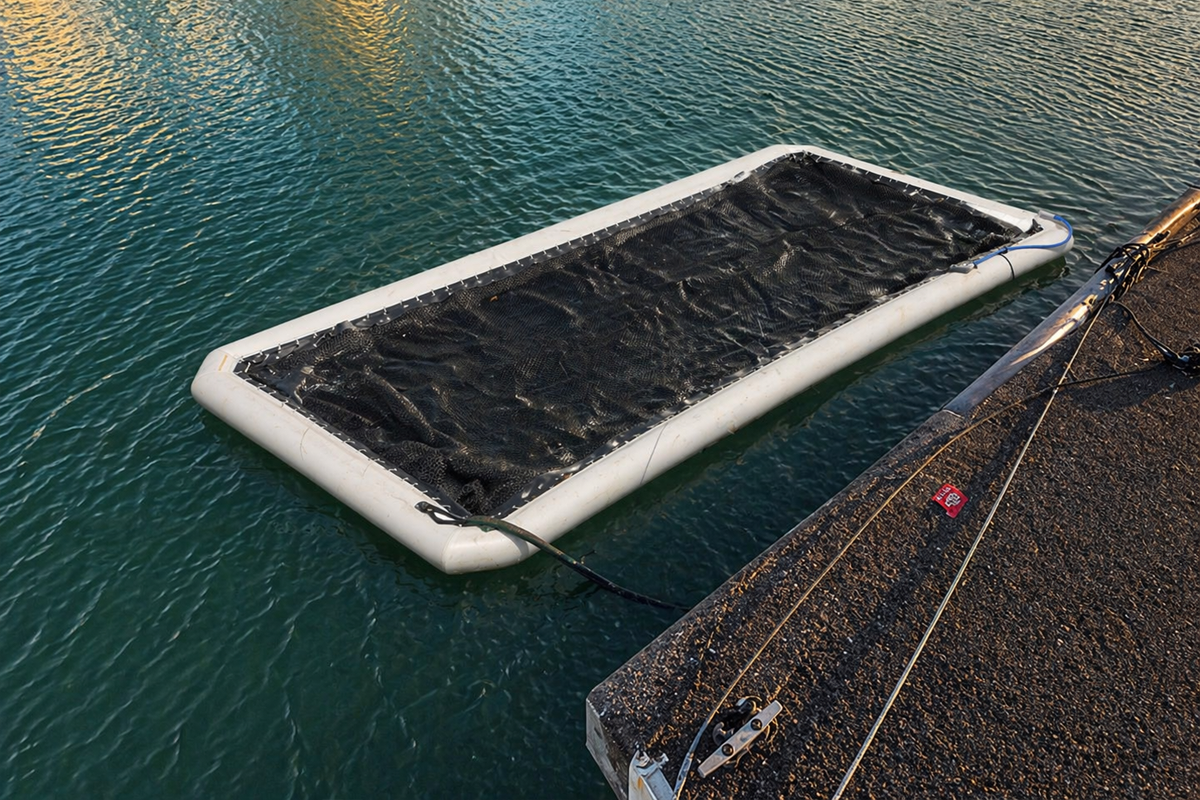
Marina modernization in 2026 is not only about berths. The report describes modernized layouts adding resort-style amenities — rooftop terraces, wellness centers, high-end dining — and a premium standard of digital booking. Inflatable platforms serve that amenity layer directly: inflatable swim platform access, watersports staging, branded event decks, and sun-lounge extensions, with no pilings, no permits for permanent structures, and no demolition at the end of a season. ShoreMaster's guidance for buyers lands where our team works from daily: match infrastructure to how the water is actually used.
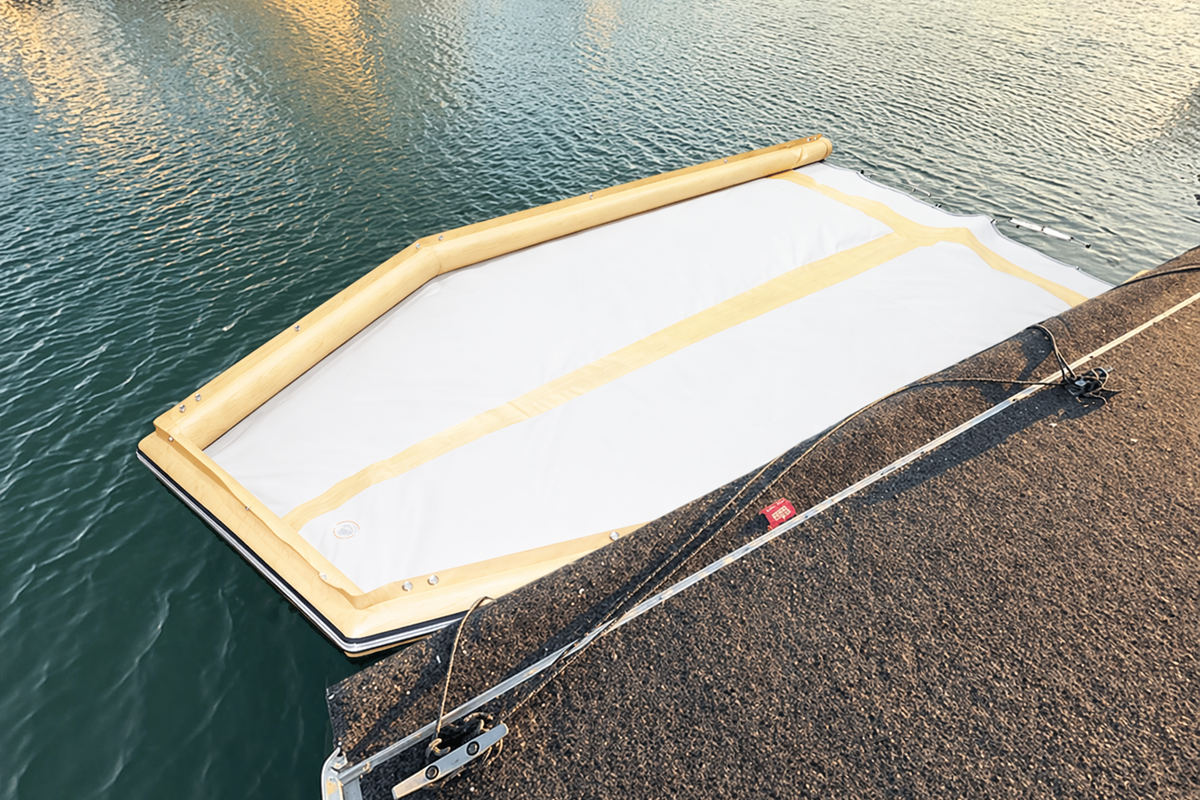
For distributors, dealers, and marina operators planning the 2027 season, the signal is straightforward: capacity that can be deployed, reconfigured, and stored is now the standard, not the compromise. HIGHER manufactures inflatable floating dock systems, swim platforms, inflatable water mat products, and modular systems to commercial specifications — Drop-Stitch construction at 10–15 PSI, brushed EVA decking, in-house marine-grade hardware, and 48-hour pressure-retention testing per unit.
Building a modular platform program for the 2027 season? HIGHER supplies factory-direct with DDP and CIF options to North American and European ports. Download our Full Product Catalog or Request a Wholesale Quote.
13 Years of Inflatable Manufacturing Excellence—Built for Brands Leading the Water Sports Market.
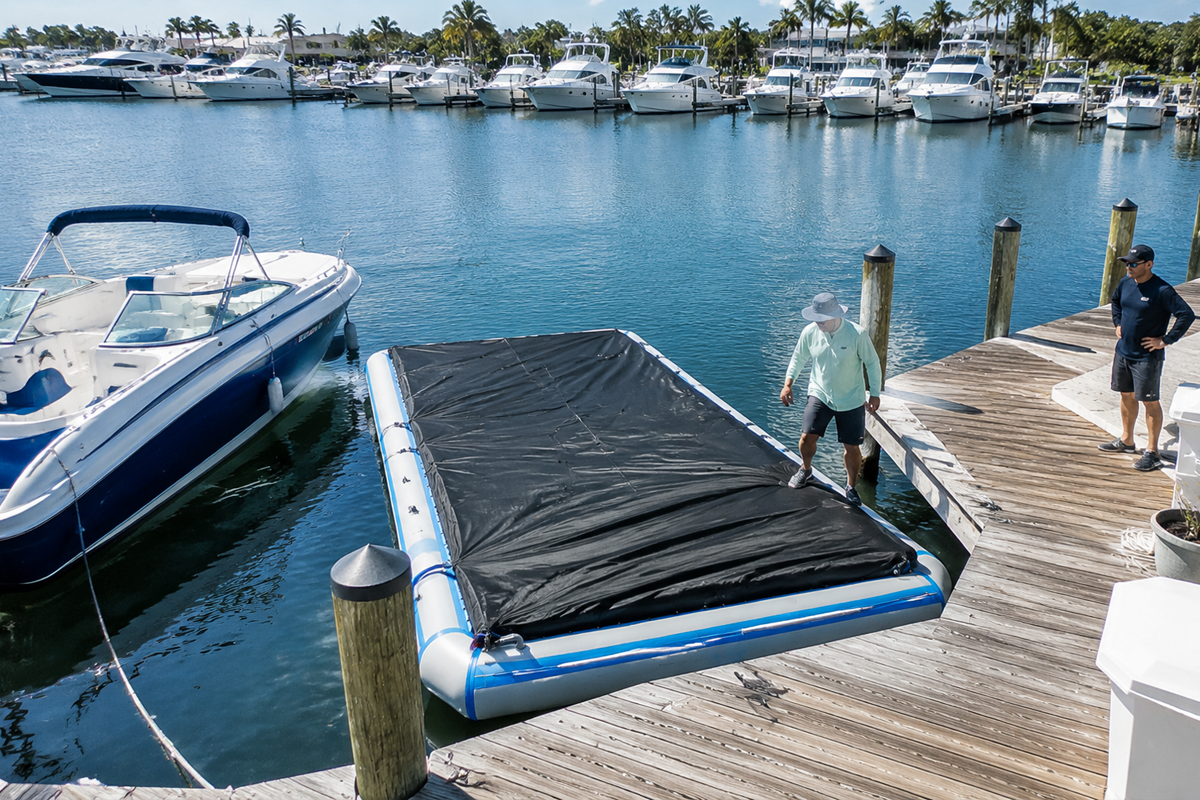

 EN

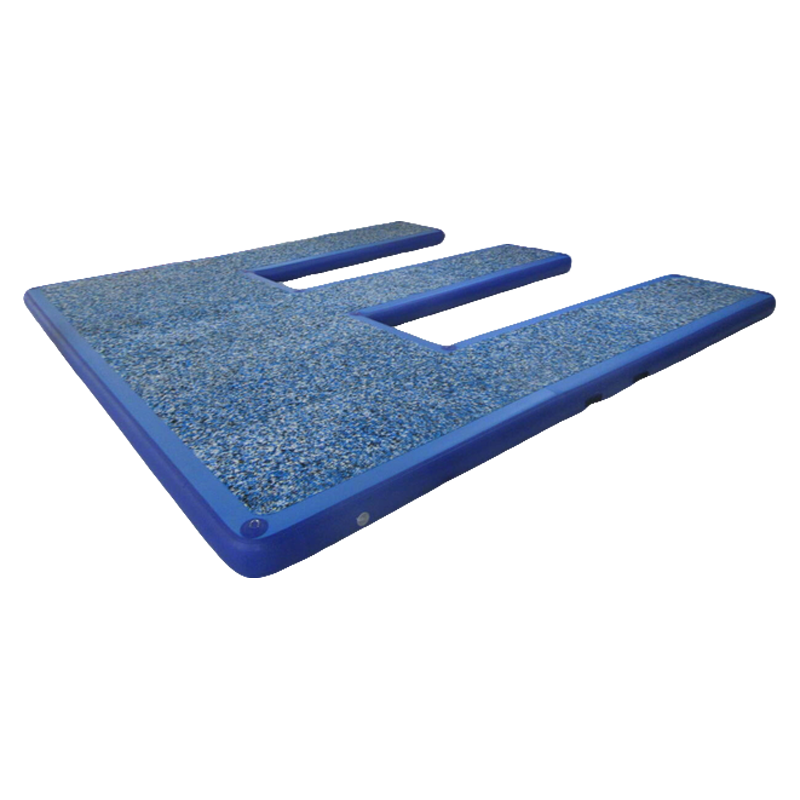


 Hot News