 EN

The Fundamental Shift from Fixed to Flexible Docking
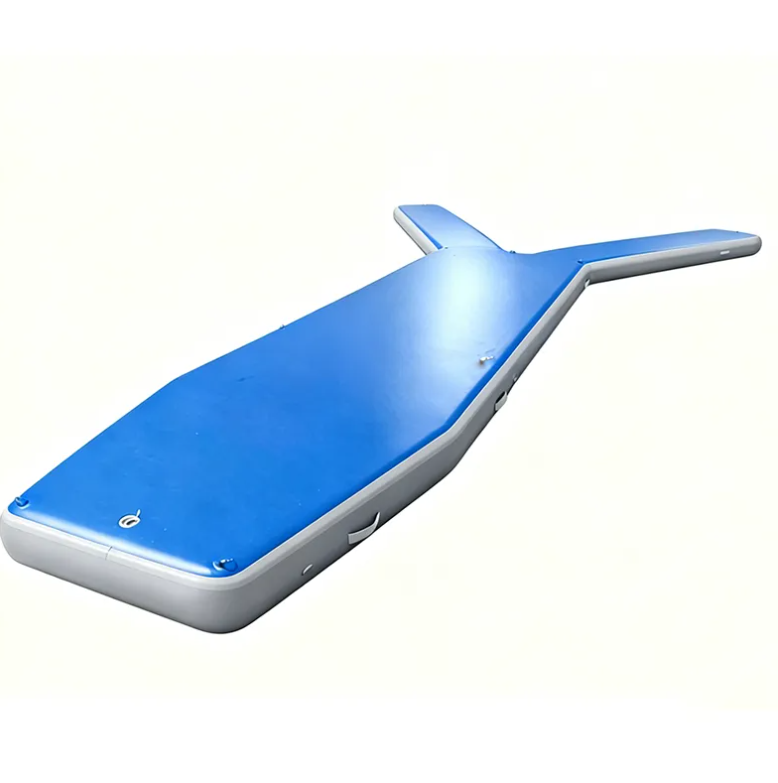
A traditional dock is a commitment. It is a structure of wood, metal, or concrete that is installed with the clear understanding that it will remain exactly where it is, in exactly the same configuration, for years or decades. When the seasons change, it stays. When a storm rearranges the shoreline, it absorbs the damage or it does not. When the waterfront property owner wants to use the space for a different purpose, to accommodate a visiting boat of a different size, to host an event, or simply to open up the view, the fixed dock offers no flexibility. It is a permanent answer to a question that changes every season. An inflatable dock floating platform represents a fundamentally different approach. It is a docking solution that can be deployed when needed, deflated and stored when not, reconfigured into different shapes and sizes, and transported to wherever the water access is required. The platform arrives in a compact bag, inflates to a rigid, stable surface with a standard air pump, and floats on the water as a fully functional dock, swim platform, or water sports launch pad. When the season ends, it deflates, rolls up, and stores on a shelf instead of spending the winter absorbing ice, waves, and freeze-thaw cycles. For the marina operator who needs temporary additional berthing for a regatta, the resort manager who wants a floating lounge area that can be moved to follow the sun, or the family that wants a dock for the summer cabin but has nowhere to store a rigid structure through the winter, the inflatable platform is not a compromise. It is a purpose-built tool that does what a fixed dock cannot.
The Drop-Stitch Core and the Engineering of Rigidity
The defining technology that separates a modern inflatable dock platform from a simple air mattress is the drop-stitch construction method. Inside the platform, thousands of fine, high-tensile polyester threads connect the top and bottom layers of the fabric shell. Each thread is precisely the same length, and they are spaced at regular intervals across the entire surface area. When the platform is inflated to high pressure, these threads pull taut and hold the top and bottom surfaces parallel to each other. The result is a flat, rigid panel that can support substantial weight without bending, buckling, or feeling spongy underfoot. The air pressure inside a properly inflated drop-stitch platform is significantly higher than what a typical inflatable boat or air mattress requires. This pressure transforms the flexible fabric into a structural element. The physical sensation of standing on a well-inflated platform is surprisingly close to standing on a solid dock, with just a subtle, damped give that distinguishes it from wood or concrete. The outer shell of the platform is fabricated from heavy-duty PVC tarpaulin, often reinforced with multiple layers at the stress points and bonded with high-frequency welding rather than glued seams. The material is selected for its combination of tensile strength, resistance to ultraviolet degradation from constant sun exposure, and resistance to abrasion from sand, shells, and repeated contact with watercraft. The deck surface is typically embossed or coated with a non-slip texture that provides secure footing even when wet.
Installation, Portability, and the Seasonal Advantage
The operational difference between an inflatable platform and a traditional dock becomes clearest at the beginning and end of the season. A fixed dock installation may require permits, contractors, pile drivers, and a crew working in the water for days. Removing it for the winter is an equally involved process. An inflatable platform deploys from its storage bag in a matter of minutes. The platform is unrolled on the ground or on the water's edge, the air pump is connected to the valve, and within the time it takes to set up a folding chair, the platform is fully inflated and ready to be pushed into the water. Anchoring the platform is straightforward. Most designs include D-ring attachment points along the perimeter, and the platform can be secured with standard dock lines to existing cleats, mooring anchors, or weighted bags on the bottom. Two people can carry a deflated platform in its bag, and a single person can maneuver the inflated platform into position on the water. When the platform is not needed, it deflates, rolls up, and stores in a space small enough to fit in a closet, a dock box, or the back of a vehicle. This portability opens up possibilities that a fixed dock cannot offer. The platform can travel with a boat on a trailer, providing a deployable swim platform at any boat launch. It can be brought to a remote beach for a day trip and packed up when the trip is over. It can be moved between a summer home and a winter home, an advantage for seasonal residents who split their time between different waterfront locations.
Stability, Safety, and the Experience of Standing on Air
A floating platform is only as useful as the confidence it inspires in the people standing on it. An inflatable dock platform derives its stability from its wide, flat footprint and its uniform buoyancy distribution. Unlike a narrow dock that tilts sharply when weight is placed near the edge, a square or rectangular inflatable platform distributes the load across its entire surface area, resisting tipping with a gradual, predictable response. The platform's buoyancy is a function of its volume, and its volume is large relative to the weight it is designed to carry. This high buoyancy-to-weight ratio means the platform rides high on the water and recovers quickly from wave-induced movement. The non-slip deck surface provides traction for wet bare feet, and the slightly compliant nature of the pressurized air core absorbs some of the shock when a child jumps or a dog scrambles aboard. The edges of the platform are typically rounded and covered in the same PVC material as the deck, eliminating the risk of splinters, sharp corners, and the scraped shins that are a common hazard of wooden docks. For families with children, for swimmers who are climbing on and off the platform repeatedly, and for paddleboarders and kayakers who are launching from the dock, these safety characteristics are not minor considerations. They are the primary reason the platform is chosen over a traditional floating dock. The platform is also inherently unsinkable. Its buoyancy is distributed across multiple independent air chambers in some designs, and even a fully flooded drop-stitch chamber would continue to float due to the closed-cell foam-like structure of the internal threads.
Modular Configurations and the Adaptability to Changing Needs
A single inflatable platform is a useful piece of waterfront equipment. Multiple platforms connected together become a customizable floating infrastructure. Most inflatable dock platforms are designed with connection points, zippers, straps, or Velcro flaps, along their edges, allowing them to be linked side-to-side or end-to-end to form larger decks, long walkways, or multi-zone recreational areas. A resort might start the morning with three platforms configured as a long, narrow dock for a rowing class, then disconnect and reconfigure them into a large square sunbathing platform for the afternoon. A water sports rental business might connect several platforms into a floating base for launching kayaks and paddleboards, with walkways extending to shore. The modularity extends to accessories. Many platforms include mounting points for inflatable slides, climbing walls, lounge chairs, and even small inflatable cabanas, transforming the platform from a simple dock into a complete on-water recreation system. The connection systems are designed to be secure under load while remaining simple enough that a single person can connect or disconnect platforms without tools. This modularity is a business asset. A waterfront operator can invest in a fleet of platforms and configure them differently for different events, seasons, and customer demands, rather than building a permanent structure that serves only one purpose.
Material Quality and the Manufacturing Standards Behind Long-Lasting Platforms
An inflatable dock platform lives its entire service life exposed to the elements. Sun, water, wind, sand, and the mechanical stress of people and watercraft moving across its surface are not occasional hazards. They are the platform's constant operating environment. The platform's ability to remain airtight, retain its structural rigidity, and resist degradation over multiple seasons depends on the quality of the materials and the precision of the manufacturing processes. The PVC tarpaulin must be compounded with adequate UV stabilizers to prevent the material from becoming brittle and cracking after prolonged sun exposure. The drop-stitch fabric must maintain uniform thread density across the entire panel to ensure consistent rigidity without soft spots. The high-frequency welding that bonds the seams must be executed with precise temperature and pressure control to create a bond that is as strong as the parent material. The air valve must seal reliably and resist leakage over repeated inflation and deflation cycles. Ushigher Sports manufactures inflatable dock floating platforms with attention to these material and process requirements, producing platforms where the fabric quality, the welding integrity, and the valve reliability support years of dependable service. For a commercial operator whose business depends on the platform being inflated and ready for guests every morning, or for a family that wants to unroll their dock at the start of summer and not worry about it for the rest of the season, this manufacturing quality is the foundation of the platform's value. The inflatable dock that performs season after season, that stays rigid under the afternoon sun, and that rolls up cleanly at the end of the year, is the product of a manufacturing process that takes the platform's working environment seriously. That reliability is what makes the choice of an inflatable platform a practical, long-term decision rather than a novelty purchase.
Table of Contents
- The Fundamental Shift from Fixed to Flexible Docking
- The Drop-Stitch Core and the Engineering of Rigidity
- Installation, Portability, and the Seasonal Advantage
- Stability, Safety, and the Experience of Standing on Air
- Modular Configurations and the Adaptability to Changing Needs
- Material Quality and the Manufacturing Standards Behind Long-Lasting Platforms