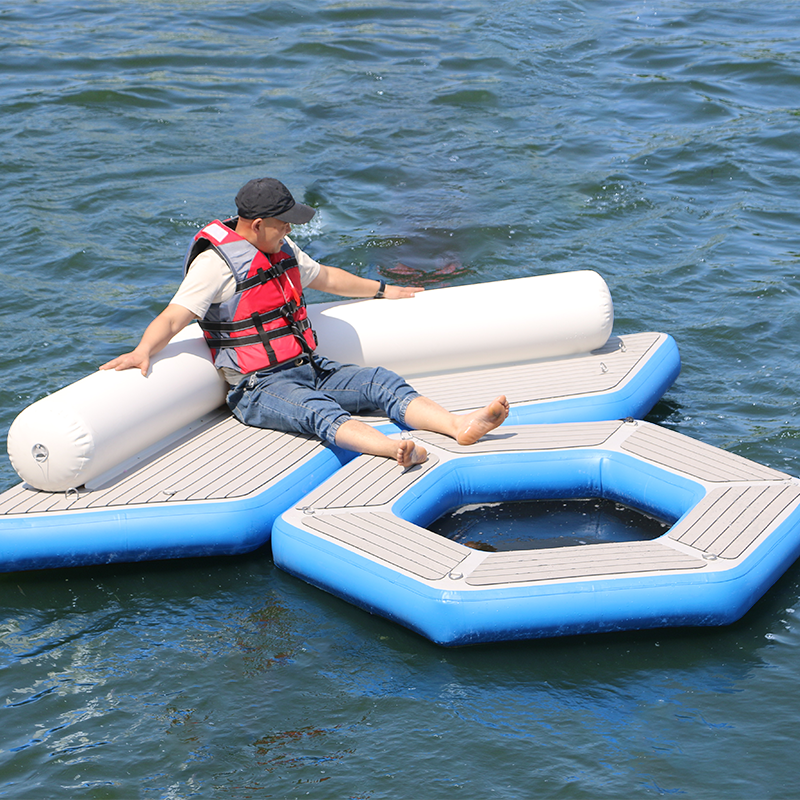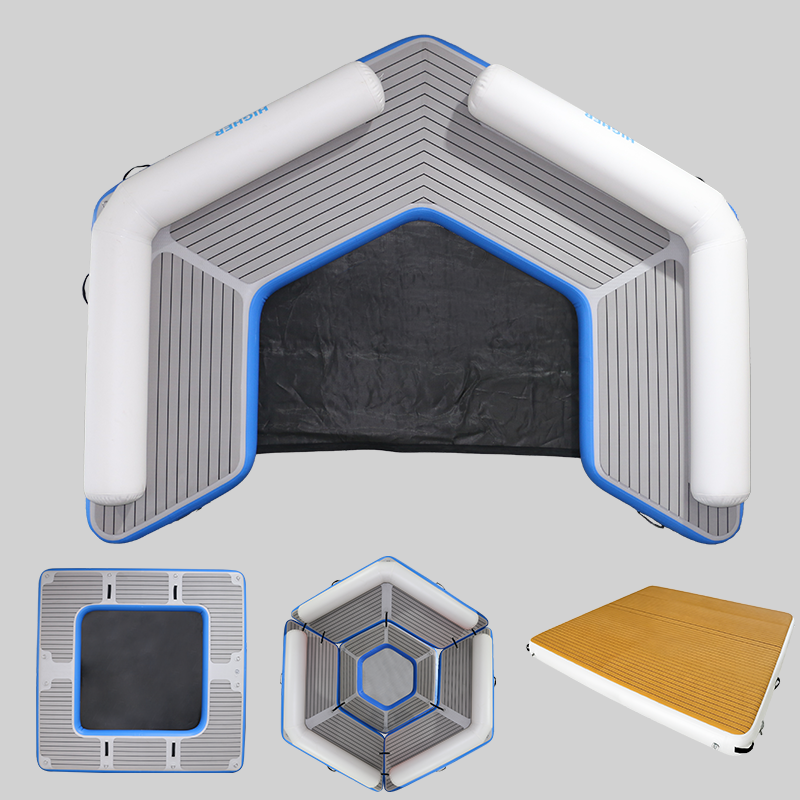
A portable floating dock is suitable for a seasonal site only when the selected configuration can be transported, positioned, used, and removed under that site’s actual conditions. “Portable” describes a product concept; it does not replace a site review, anchoring plan or compliance with local operating rules. Before comparing deck shapes, seasonal operators should map the complete journey from storage to water—and back again.
Walk the route a packed unit will take: storage area, doorways, vehicle access, shoreline and launch point. Note narrow turns, uneven ground, sharp surfaces, and the people available to handle setup. Confirm the packed dimensions and weight for the specific model under consideration; do not infer them from a category image or a different product listing.
Plan the return journey at the same time. A seasonal operation needs a workable process for cleaning, drying and secure storage after use. If the storage area is difficult to access or cannot protect the equipment, that burden belongs in the selection decision—not in a post-purchase workaround.
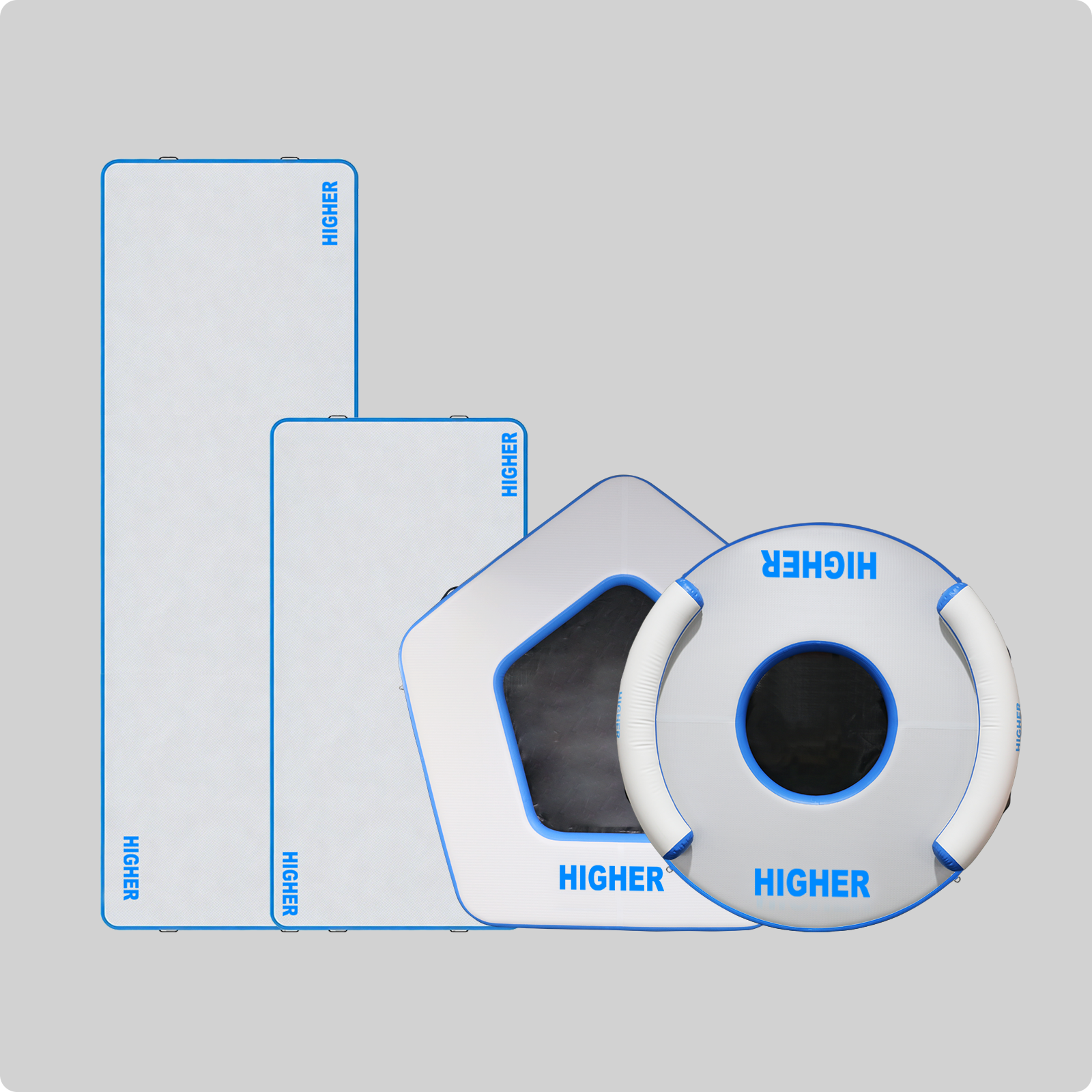
A boarding aid for a boat has a different operating pattern from a relaxation platform or a swim rest area. Sketch how users will approach, step onto and leave the platform. Mark the shoreline access, expected movement, supervision points and any hardware, ladder or connection locations that may be needed.
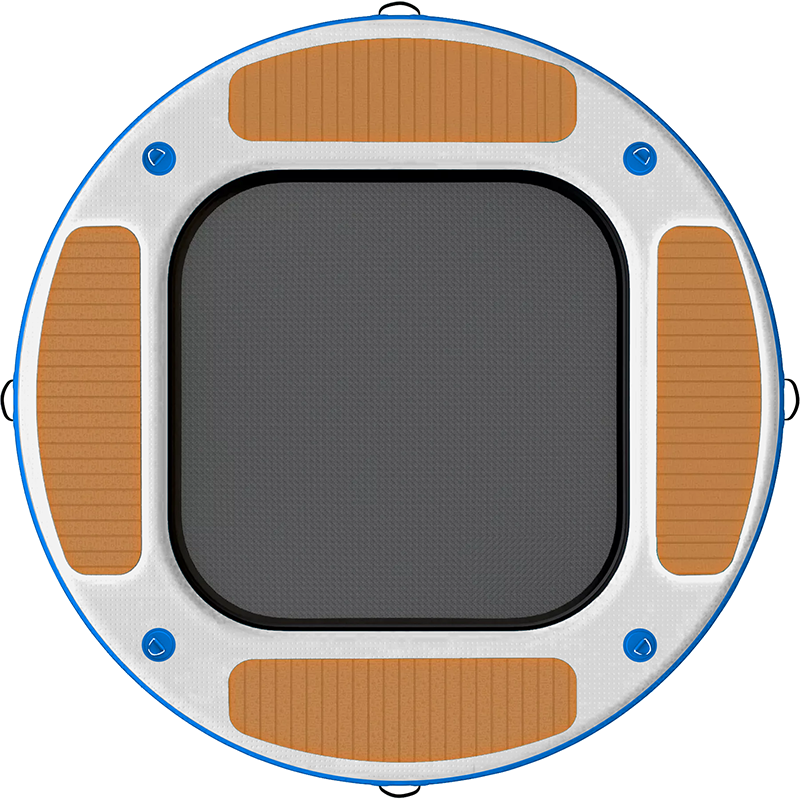
Before reviewing a floating platform dock layout, document the intended activity, anticipated user group, supervision plan and local water conditions. HIGHER lists an inflatable floating dock category, but a category name does not establish the suitability of a particular model. The configuration needs to be reviewed against the site brief.
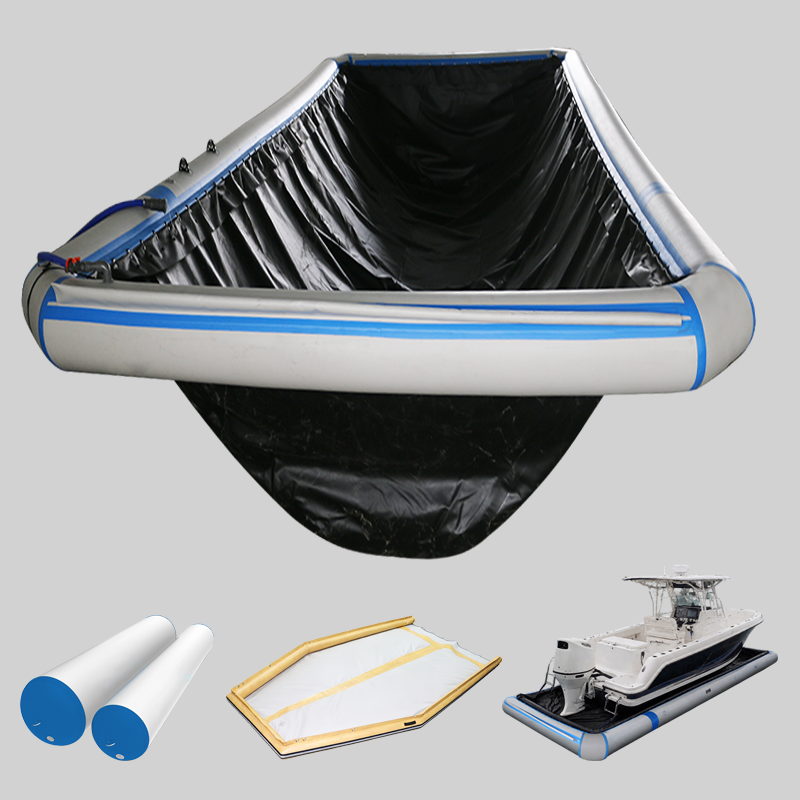
Ask the supplier for the selected model’s inflation instructions, permitted load, anchoring guidance and conditions under which use should stop. Do not infer wind, wave or user-capacity limits from the word “portable,” or transfer a rating from another model. Local permissions and safe operating practices remain the operator’s responsibility.
For a lake installation, include seasonal water-level variation and the plan for monitoring the setup. Where details remain unconfirmed, keep them open as approval items rather than treating them as assumptions in the purchase specification.
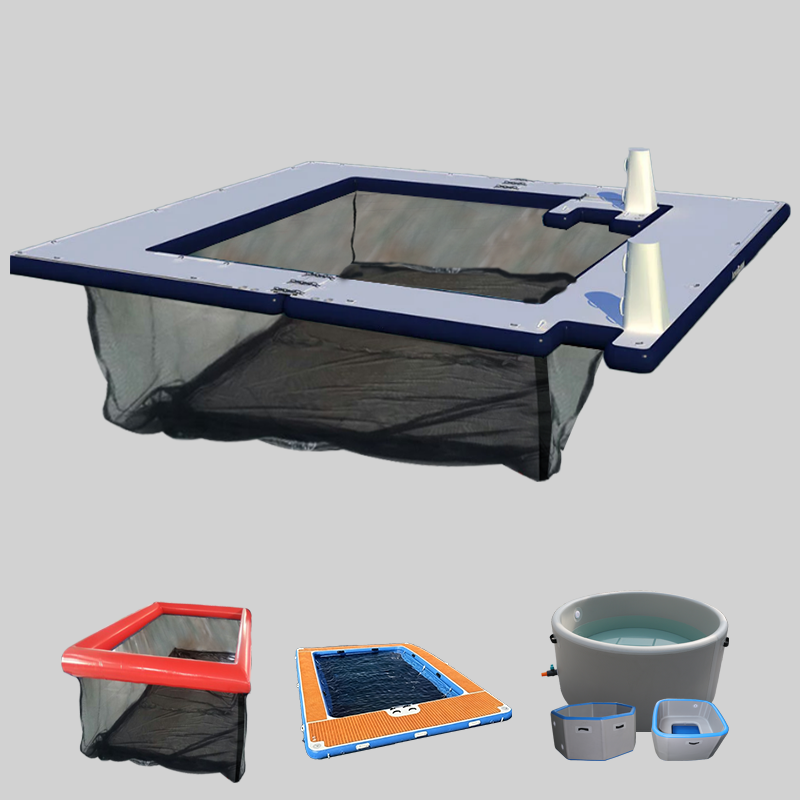
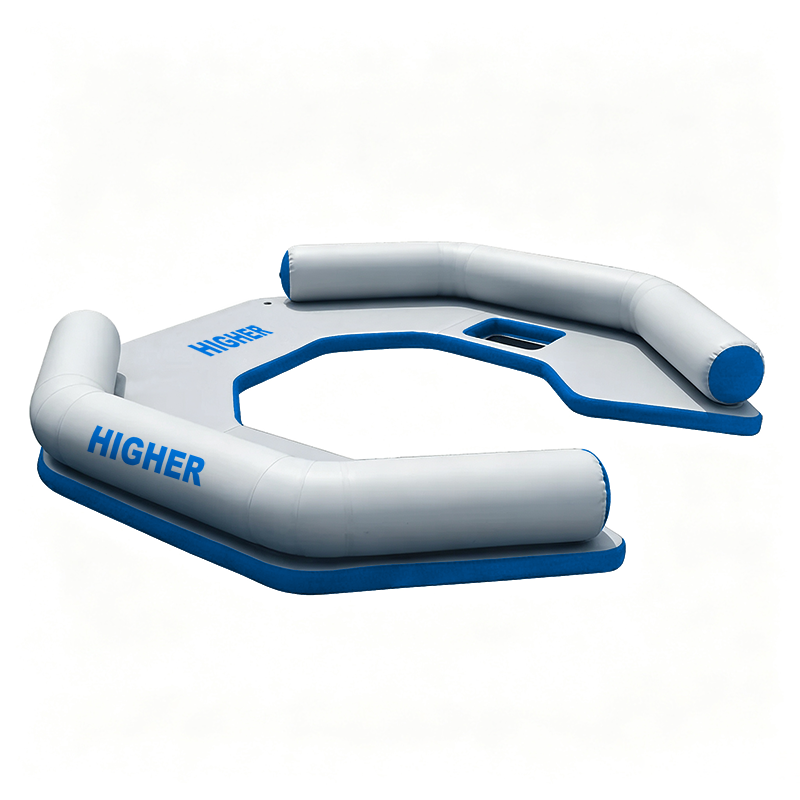
A useful sourcing brief compares two or three candidate layouts against the same site sketch, storage constraints and required documents. For each inflatable dock for boat or leisure-platform option, walk through opening-day setup, a typical guest session and end-of-season removal. Record who provides the pump, checks attachment points, approves the sample, trains staff on pre-use inspection, and handles drying and storage.
Ask the supplier to identify what is included in the kit and what remains the operator’s responsibility. A larger deck may add handling or storage work if the route is narrow or secure space is limited. Comparing these tasks alongside the layout can make the trade-offs clearer for operators assessing commercial floating boat docks for seasonal use.
Technical Proposal CTA: Share your shoreline sketch, operating season, intended activity and storage route with HIGHER to request a Technical Proposal for a portable dock configuration.

 EN

 Hot News